Blog
-
3 perguntas um falso crente não responderá
Tim Keller oferece um grupo de “perguntas projetadas para acordar cristãos dormindo”. Suas perguntas focam três marcas de um relacionamento crescente com Deus.
Estas perguntas tornariam o material de um pequeno grupo bom ou poderiam também ser usadas quando mentoring alguém one-on-one.
Evidência da presença de Deus em sua vida
Quão real Deus tem sido esta semana para o seu coração?
Quão clara e viva é a sua garantia e certeza do perdão de Deus e do seu amor paternal. Até que ponto isso é real para você agora?Você está tendo alguma estação particular de doce prazer na presença de Deus? Você realmente sente Sua presença em sua vida? Você realmente sente o amor Dele?
Evidência da Escritura mudando você
A palavra se Deus tem sido viva e eficaz em sua vida?Você está achando certas promessas bíblicas extremamente preciosas e encorajadoras? Quais?
Você está encontrando Deus chamando você ou desafiando você a algo através da palavra, de que maneiras?
Evidência de uma crescente apreciação pela misericórdia de Deus
Você está encontrando a graça de Deus mais gloriosa e se movendo agora do que você tem no passado?
Você está consciente de um crescente sentimento do mal do seu coração, e em resposta, uma crescente dependência e apreensão da preciosidade da misericórdia de Deus? -
Novidades
Dê uma olhada no link!!! Novidades sobre nós!
-
Baixe gratuitamente PDF livros
BAIXE GRATUITAMENTE E-BOOKS EC (Formato PDF)!!!
• VISITE-NOS: http://oestandartedecristo.com/
01 • Um Tratado Sobre Oração, por John Bunyan
http://oestandartedecristo.com/ebook/22/um-tradado-sobre-oracao-por-john-bunyan
02 • Oração Particular, por A.W. Pink
http://oestandartedecristo.com/ebook/28/oracao-particular-por-a-w-pink
03 • A Oração e Prisão de Jesus no Getsêmani, por João Calvino
http://oestandartedecristo.com/ebook/196/a-oracao-e-prisao-de-jesus-no-getsemani-por-joao-calvino
04 • As Orações dos Apóstolos, por A.W. Pink
http://oestandartedecristo.com/ebook/256/as-oracoes-dos-apostolos-por-a-w-pink
05 • Orando com o Espírito Santo, por John Bunyan
http://oestandartedecristo.com/ebook/75/orando-no-espirito-santo-por-john-bunyan
06 • Orações Puritanas
http://oestandartedecristo.com/ebook/165/oracoes-puritanas
07 • Reformação Pessoal e na Oração Secreta, por R. M. M´Cheyne
http://oestandartedecristo.com/ebook/151/reformacao-pessoal-na-oracao-secreta-por-r-m-m-cheyne
08 • O Trono da Graça, por C. H. Spurgeon
http://oestandartedecristo.com/ebook/152/sermao-n-1024-o-trono-da-graca-por-c-h-spurgeon
09 • O Que É Orar Em Nome de Jesus? Por John Bunyan
http://oestandartedecristo.com/ebook/459/o-que-e-orar-em-nome-de-jesusz-por-john-bunyan
10 • Um Discurso Sobre a Oração, por John Gill
http://oestandartedecristo.com/ebook/650/um-discurso-sobre-oracao-por-john-gill
BAIXE OUTROS E-BOOKS: http://oestandartedecristo.com/ebook
• Acesse o site: http://oestandartedecristo.com/
• Curta: O Estandarte de Cristo
• Visite nossa loja na Amazon: https://goo.gl/IAQ8zI
• Ajude-nos fazendo uma doação, saiba como: http://oestandartedecristo.com/doe
-
UM GRUPO DE LEÕES SALVOU CRENTES DE SEREM MORTOS POR EXTREMISTAS MUÇULMANOS
 É uma notável história da mão interveniente de Deus para salvar o seu povo. O pastor Paul Ciniraj, diretor de Bíblias para o Oriente Médio, diz que ele e outros cristãos foram resgatados das garras da morte por um grupo de três leões. Ciniraj e seu grupo estavam sob ataque de militantes islâmicos quando os leões gigantes atacaram e assustaram o grupo assassino.
“Meu Senhor ressuscitado Jesus Cristo salvou minha vida mais uma vez”, escreveu o Pastor Paul, “e eu louvo e agradeço a Deus por Sua graça indescritível!” Era domingo de Páscoa quando o milagre ocorreu. O pastor estava se recuperando na casa de alguns amigos depois de um ataque de lapidação por islâmicos naquele dia. “De repente, um grupo de militantes chegou à casa, armados com barras de aço e outras armas”, relatou à WND.
O pastor Ciniraj achava que este era o fim do caminho para ele, e temia pela vida do morador de 80 anos e por várias crianças que se refugiavam na casa ao lado dele. “Perdemos toda a esperança, pensamos com certeza que este era o nosso último dia”, disse ele. Eles só tinham mais uma coisa a fazer: orar. Então, algo verdadeiramente bíblico aconteceu!
“Completamente inesperadamente, um leão correu da floresta, saltou nos militantes, e agarrou um pelo pescoço. Quando outros combatentes tentaram atacar o leão, outros dois leões acorreram em direção a eles. Os militantes aterrorizados fugiram do local, e os leões nos deixaram completamente sozinhos “, disse ele.
“Igualmente surpreendente, os registros mostram que nenhum leão é suposto viver nessa floresta”, disse ele.
Ciniraj relatou que ele estava se aproximando do encerramento de um período de 21 dias de jejum e oração. “Quando isso chegou ao fim, mais de 3.000 ex-muçulmanos foram batizados em muitas de nossas igrejas na Ásia, África e Oriente Médio”, disse ele.
“O Senhor me capacitou a batizar muitas pessoas durante este tempo.”
Que incrível história do poder de Deus! Louvai-O hoje pela Sua proteção! Compartilhe isso para encorajar os outros. -
FOTO DO ALTO DA MAIOR REUNIÃO DE ORAÇÃO A ÁFRICA JAMAIS TEVE.
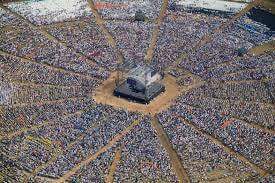
1.800.000 pessoas orando pela África do Sul. Foto 360!
-
FOTOS DO MAIOR ENCONTRO DE ORAÇÃO DO CONTINENTE AFRICANO JAMAIS VIU! AGORA É A HORA ÁFRICA DO SUL
Isto mesmo! No dia em que comemoravam 365 anos da primeira igreja na África do Sul a nação se reuniu em todas as cidades para clamar ao Pai contra violência, corrupção e violência sexualidade no país.

O autor do livro Fé Como Batatas, Angus Buchan, que é tido como um pai espiritual para a nação Sul africana convoou a nação a orar em uma cidade chamada Bloemfontein e os números impressionam. 1.800.000 pessoas reunidas em um só lugar.
O chamado de oração foi para todas as diferentes raças e culturas na África do Sul, que é onhecida por seu multi-culturalismo.
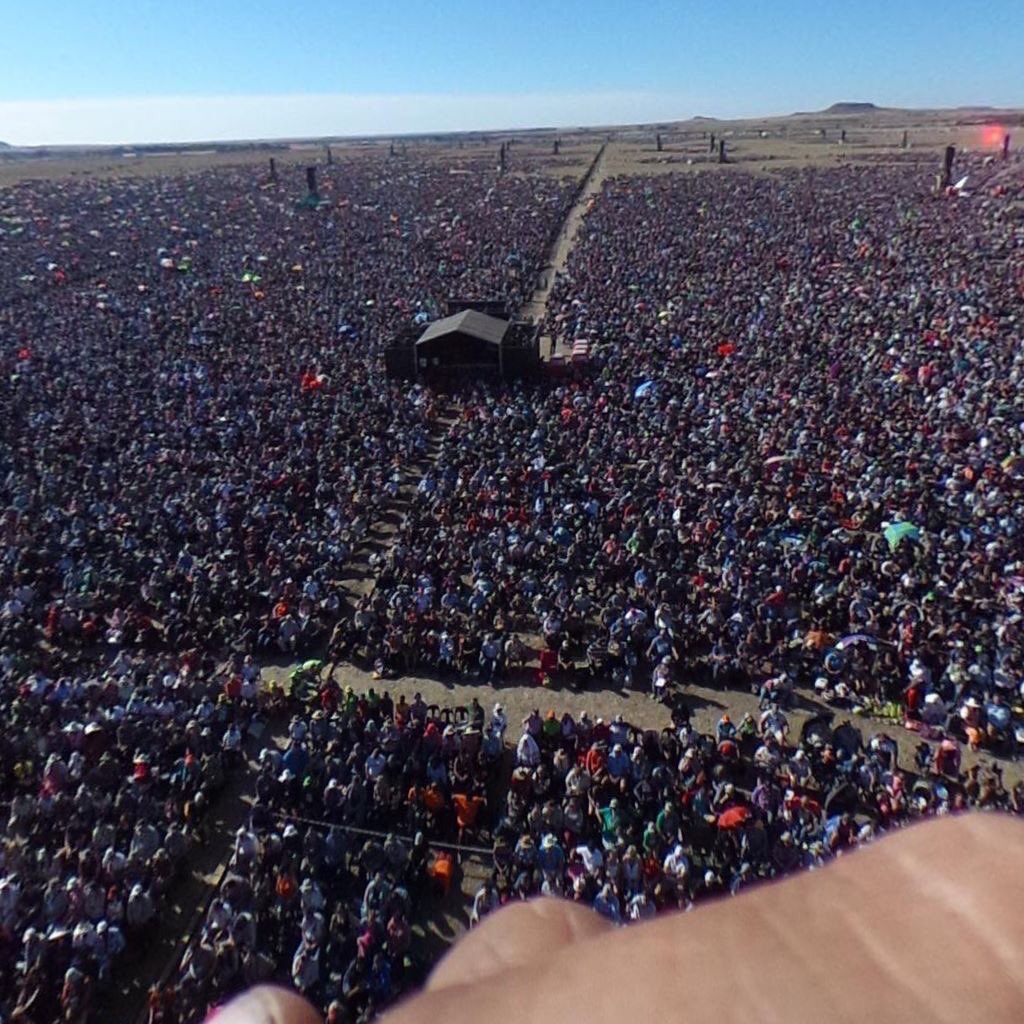
Teve um momento durante o dia de oração em que todos sentiram uma forte presença do Pai, seguida de um vento que soprou sobre todos. Este foi um sinal dos Céus de que o Pai derramará o Seu Espírito Santo sobre a África do Sul.

Esta foi a maior reunião de oração registrada no continente africano de todos os tempos com 1.800.000 pessoas reunidas em um único lugar para orar apenas.
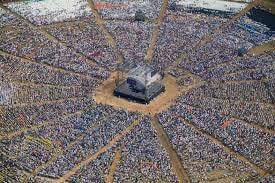
Eu e minha família acreditamos que este é um tempo novo de avivamento para a nação.
-
AGORA É A HORA ÁFRICA DO SUL

Um massivo encontro de oração em Bloemfontein inspirou milhões de sul-africanos ao redor do país e do mundo a organizar suas próprias reuniões de oração para se juntarem em oração pela África do Sul.Na maior reunião de oração registrada na África, com mais de 1,7 milhões de ingressos já distribuídos, (apenas em Bloemfontein) os sul-africanos estão de joelhos neste fim de semana para orar pelo seu país.
O dia de oração destina-se a todos os sul-africanos de todos os sexos, raças e denominações que estão orando contra a malícia, o ódio, a violência, o assassinato e a corrupção no país.
O “Agora é a Hora” convocação para a igreja na África do Sul orar é uma iniciativa de Angus Buchan (do filme Fé como batatas) e acontece no dia em que a primeira igreja foi construída na África do Sul a 365 anos atrás.Neste exato momento milhões de Sul Africanos estão orando juntos em todas as cidados da África do Sul e é um momento histórico para a nação em Deus.
No início do ano o Senhor colocou no meu coração para orar e jejuar por 40 diaspara que a nação se apresentasse perante o Senhor. A palavra era Êxodos 19, e o Senhor quer marcar na identidade desta nação o chamado profético que ela carrega, acredito eu. Existe uma mudança no Espírito, o fim de uma era e o nascer de uma nova era na história desta nação.
Yury Gaudard
-
OS 50 DESAFIOS DO JOGO BALEIA AZUL. SAIBA QUAIS SÃO E PROTEJA OS SEUS FILHOS.

O jogo Baleia Azul ou Blue Whale vem preocupando internautas do mundo inteiro, desde que surgiu este jogo da morte, que supostamente está relacionado a 130 casos de suicídio na Rússia. Veja a lista completa com os 50 desafios do jogo Baleia Azul.
Conforme já orientamos anteriormente neste artigo, os pais devem tomar o máximo de cuidado com o que seus filhos acessam na internet. Se perceber mensagens subliminares estranhas na linha do tempo das redes sociais de seus familiares e amigos, fique alerta. Por isso, é importante conhecer os 50 desafios do jogo Baleia Azul. Confira logo abaixo.
50 desafios do jogo Baleia Azul
- Com uma navalha, escreva a sigla “F57” na palma da mão e em seguida enviar uma foto para o curador.
- Assista filmes de terror e psicodélicos às 4:20 da manhã, mas não pode ser qualquer filme, o curador indicará, lembrando que ele fará perguntas sobre as cenas, pois ele quer saber se você realmente assistiu.
- Corte seu braço com uma lâmina, “3 cortes grandes” mas é preciso ser sobre as veias e o corte não precisa ser muito profundo, envie a foto para o curador, e seguirá para o próximo nível.
- Desenhe uma baleia azul e enviar a foto para o curador.
- Se você está pronto para se tornar uma baleia escreva “SIM” em sua perna. Se não, corte-se muitas vezes “Castigue-se”.
- Tarefa em código.
- Escreva “F40” em sua mão, envie uma foto ao curador.
- Em sua rede social, escreva “#i_am_whale” no seu status do VKontakte(Rede Social Russa) ou no Facebook. O texto significa “Eusou uma Baleia”.
- Ele te dará uma missão baseada no seu maior medo, ele quer fazer você superar esse medo.
- Acorde as 4:20 da manhã e suba em um telhado, quanto mais alto melhor.
- Desenhe uma foto de uma baleia azul na mão com uma navalha e enviar a foto para o curador.
- Assista filmes de terror epsicodélicos, todas as tardes.
- Ouça as músicas que os “curadores” te enviarem.
- Corte seu lábio.
- Fure sua mão com uma agulha muitas vezes.
- Faça algo doloroso, “machuque-se”, fique doente.
- Procure o telhado mais alto, e fique na borda por algum tempo.
- Suba em uma ponte e sente-se na borda por algum tempo.
- Suba em umguindaste ou pelo menos tente.
- No próximo passo o curador irá verificar se você é de confiança.
- Encontre outra baleia azul, “outro participante”, o curador te indicará.
- Pendure-se novamente em um telhado alto, e apoie-se na borda com as pernas penduradas.
- Outra tarefa em código.
- Tarefa secreta.
- Reunião com uma baleia azul que o curador indicará.
- O curador indicará a datada sua morte, e você aceitará.
- Acorde as 4:20 e vá a uma estrada de ferro.
- Não fale com ninguém o dia todo.
- Fazer um voto de que você é realmente uma Baleia Azul.
30-49. Todos os dias, você deve acordar às 4:20 da manhã, assistir a vídeos de terror, ouvir música que “eles” lhe enviam, fazer 1 corte em seu corpo por dia, falar “com uma baleia”. Durante o intervalo dos desafios entre 30 e 49.
- Tire sua própria vida.
-
Carta missionária

Nosso novo logo

Nossa nova conta bancária Orem pelas nossas finanças pois estamos em um momento delicado financeiramente pois o nosso carro quebrou e vai custar quase R 6000 (Rand).
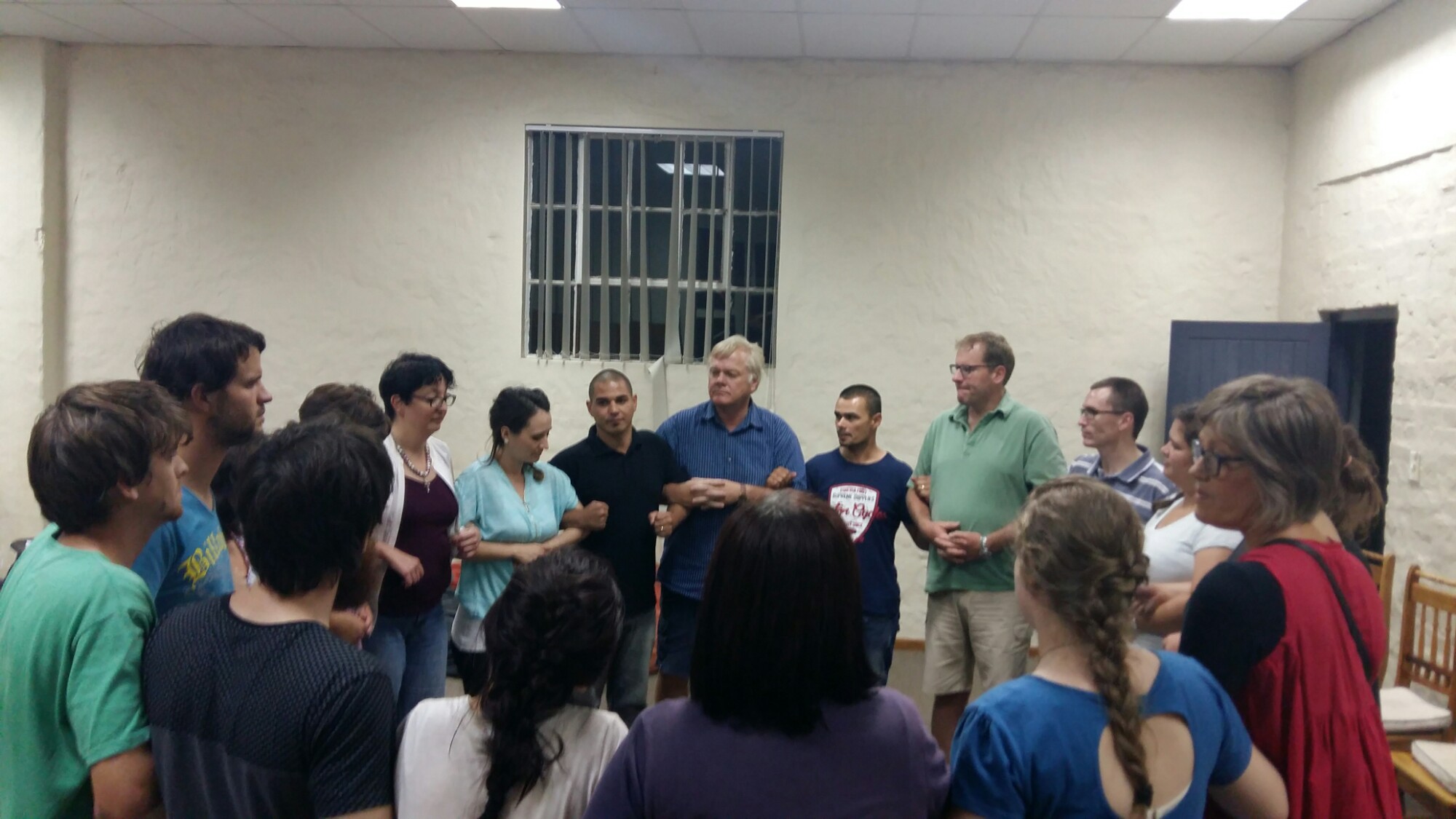
Lideramos dois work shops este mês. Um sobre os fundamentos da vida cristã e outro sobre o chamado de Deus para cada pessoa.

Batizamos 8 pessoas este mês. Glória a Deus por isso!

Papai e filhinha: Momento fofura!

Ministério com as 400 crianças (materiais recicláveis em troca de roupas e brinquedos e projeto multi-esportivo) continha crescendo!
Mostraremos o Filme Jesus no dia 9 de Abril na comunidade Avian Park. Orem por nós.

Semana passada eu recebi um telefonema do diretor executivo do ministério Unashamedly Ethical, cujo líder é o irmão Graham Power. Ele é o criador do Global Prayer Day que acontece no mundo todo. Em parceria com eles, eu estou organizando um dia de oração com todas as igrejas de Worcester. A reunião de oração acontecerá na base da Jocum.

Muito obrigado a vcs que tem orado, andado conosco e nos abençoado financeiramente!
Contatos: email: yuryalecrim@hotmail.com
Telefone: +2771 442 0692
Vídeo do nosso trabalho:https://youtu.be/gFFdAVcZRvE
Por favor nos ajude a divulgar
Yury Gaudard
-
Listen to the top 10 most relaxing songs in the World and fall asleep
Neuroscience Says Listening to This Song Reduces Anxiety by Up to 65 Percent.
Listen to the most relaxing song in the world and fall asleep now:
Sure to both stir your soul and calm your nervous system.Everyone knows they need to manage their stress. When things get difficult at work, school, or in your personal life, you can use as many tips, tricks, and techniques as you can get to calm your nerves.
So here’s a science-backed one: make a playlist of the 10 songs found to be the most relaxing on earth.
Sound therapies have long been popular as a way of relaxing and restoring one’s health. For centuries, indigenous cultures have used music to enhance well-being and improve health conditions.
Now, neuroscientists out of the UK have specified which tunes give you the most bang for your musical buck.
The study was conducted on participants who attempted to solve difficult puzzles as quickly as possible while connected to sensors. The puzzles induced a certain level of stress, and participants listened to different songs while researchers measured brain activity as well as physiological states that included heart rate, blood pressure, and rate of breathing.
According to Dr. David Lewis-Hodgson of Mindlab International, which conducted the research, the top song produced a greater state of relaxation than any other music tested to date.
In fact, listening to that one song — “Weightless” — resulted in a striking 65 percent reduction in participants’ overall anxiety, and a 35 percent reduction in their usual physiological resting rates.
That is remarkable.Equally remarkable is the fact the song was actually constructed to do so. The group that created “Weightless”, Marconi Union, did so in collaboration with sound therapists. Its carefully arranged harmonies, rhythms, and bass lines help slow a listener’s heart rate, reduce blood pressure and lower levels of the stress hormone cortisol.
When it comes to lowering anxiety, the stakes couldn’t be higher. Stress either exacerbates or increases the risk of health issues like heart disease, obesity, depression, gastrointestinal problems, asthma, and more. More troubling still, a recent paper out of Harvard and Stanford found health issues from job stress alone cause more deaths than diabetes, Alzheimer’s, or influenza.
In this age of constant bombardment, the science is clear: if you want your mind and body to last, you’ve got to prioritize giving them a rest. Music is an easy way to take some of the pressure off of all the pings, dings, apps, tags, texts, emails, appointments, meetings, and deadlines that can easily spike your stress level and leave you feeling drained and anxious.
Of the top track, Dr. David Lewis-Hodgson said, “‘Weightless’ was so effective, many women became drowsy and I would advise against driving while listening to the song because it could be dangerous.”
So don’t drive while listening to these, but do take advantage of them:10.”We Can Fly,” by Rue du Soleil (Café Del Mar)
9. “Canzonetta Sull’aria,” by Mozart
8. “Someone Like You,” by Adele
7. “Pure Shores,” by All Saints
6. “Please Don’t Go,” by Barcelona
5. “Strawberry Swing,” by Coldplay
4. “Watermark,” by Enya
3. “Mellomaniac (Chill Out Mix),” by DJ Shah
2. “Electra,” by Airstream1. “Weightless,” by Marconi Union
Source -
Ciência garante: estas músicas te farão dormir!
Neurociência diz que ouvir estas músicas reduz a ansiedade em até 65 por cento.
Durma ouvindo a música mais relaxante do mundo!
Quando as coisas ficam difíceis no trabalho, escola ou em sua vida pessoal, você pode usar este som para se acalmar.
Um estudo foi realizado em participantes que tentaram resolver enigmas difíceis o mais rapidamente possível, enquanto conectados a sensores. Os quebra-cabeças induziram um certo nível de estresse, e os participantes ouviram músicas diferentes, enquanto os pesquisadores mediram a atividade cerebral, bem como estados fisiológicos que incluíram freqüência cardíaca, pressão arterial e taxa de respiração.
De acordo com o Dr. David Lewis-Hodgson da Mindlab International, que conduziu a pesquisa, a música top produziu um maior estado de relaxamento do que qualquer outra música testada até à data.
De fato, ouvir aquela canção – “sem peso” – resultou em uma impressionante redução de 65% na ansiedade geral dos participantes e uma redução de 35% em suas taxas fisiológicas normais de repouso.
Isto foi notável.
Igualmente notável é o fato de que a canção foi realmente construída para relaxar. O grupo que criou “Weightless”, União Marconi, fez isso em colaboração com terapeutas do som.
Sua harmonia cuidadosamente arranjada, ritmos e linhas de baixo ajudam a retardar a freqüência cardíaca do ouvinte, reduzir a pressão arterial e níveis mais baixos de hormônio do estresse cortisol.
Quando se trata de reduzir a ansiedade, as apostas não poderiam ser maior. O estresse exacerba ou aumenta o risco de problemas de saúde como doenças cardíacas, obesidade, depressão, problemas gastrointestinais, asma e muito mais.
Mais preocupante ainda, um artigo recente de Harvard e Stanford encontrou problemas de saúde do estresse no trabalho para causar mais mortes do que diabetes, Alzheimer ou influenza sozinhos.
Nesta época de bombardeio constante, a ciência é clara: se você quer sua mente e corpo sâos, você tem que prioriza-los dando-lhes um descanso.
A música é a maneira fácil de tirar parte da pressão de todos os dias.
Dr. David Lewis-Hodgson disse: “‘Weightless’ foi tão eficaz que muitas mulheres se tornaram sonolentas. Eu aconselho a não dirigir enquanto ouve-se a música, porque pode ser perigoso”. Então não dirija enquanto ouve esses sons, mas tire proveito deles:
10. “We Can Fly,” by Rue du Soleil (Café Del Mar)9. “Canzonetta Sull’aria,” by Mozart
8. “Someone Like You,” by Adele
7. “Pure Shores,” by All Saints
6. “Please Don’t Go,” by Barcelona
5. “Strawberry Swing,” by Coldplay
4. “Watermark,” by Enya
3. “Mellomaniac (Chill Out Mix),
2. Eletra by Airstream
1. Weightless by Marconi Union
-
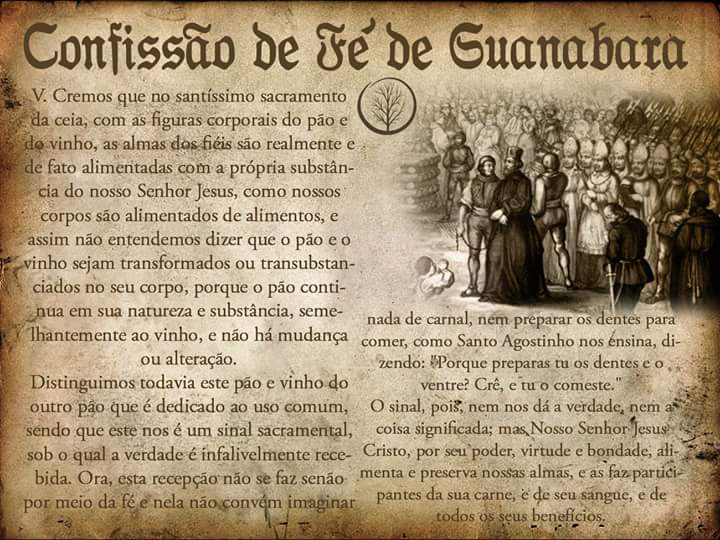
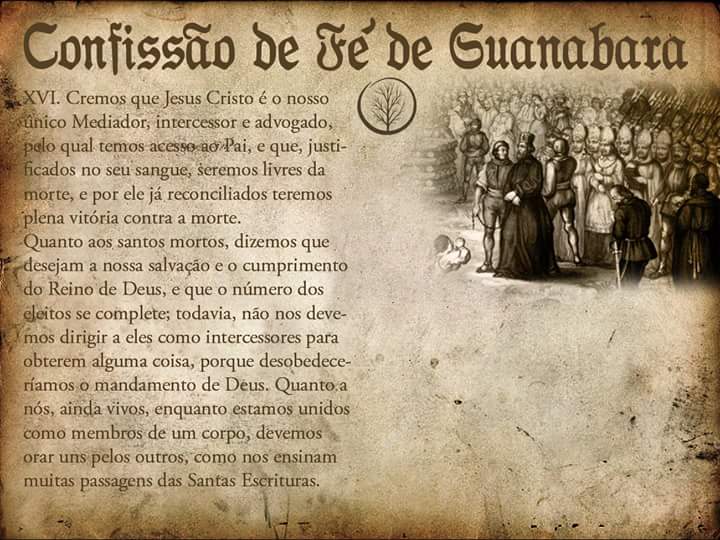
A primeira confissão de fé das Américas é brasileira.
A Primeira Confissão de Fé das Américas, e é Brasileira!

No dia 7 de março de 1557 chegou a Guanabara um grupo de huguenotes (calvinistas franceses) com o propósito de ajudar a estabelecer um refúgio para os calvinistas perseguidos na França. Perseguidos também na Guanabara em virtude de sua fé reformada, alguns conseguiram escapar; outros, foram condenados à morte por Villegaignon, foram enforcados e seus corpos atirados de um despenhadeiro, em 1558. Antes de morrer, entretanto, foram obrigados a professar por escrito sua fé, no prazo de doze horas, respondendo uma série de perguntas que lhes foram entregues. Eles assim o fizeram, e escreveram a primeira confissão de fé na América, sabendo que com ela estavam assinando a própria sentença de morte. A Confissão de Fé da Guanabara não é, portanto, um tratado completo e sistemático de teologia, mas é específica e direcionada às questões da época. Obviamente, no que diz respeito à fé e à salvação, expressa princípios bíblicos e eternos.
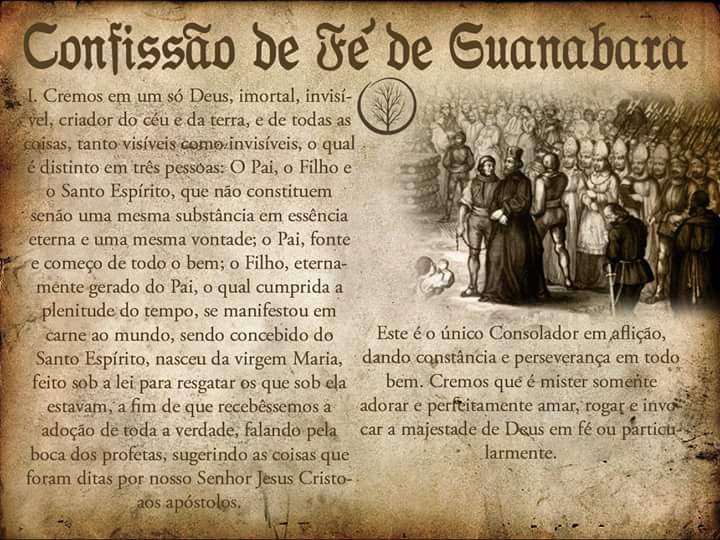








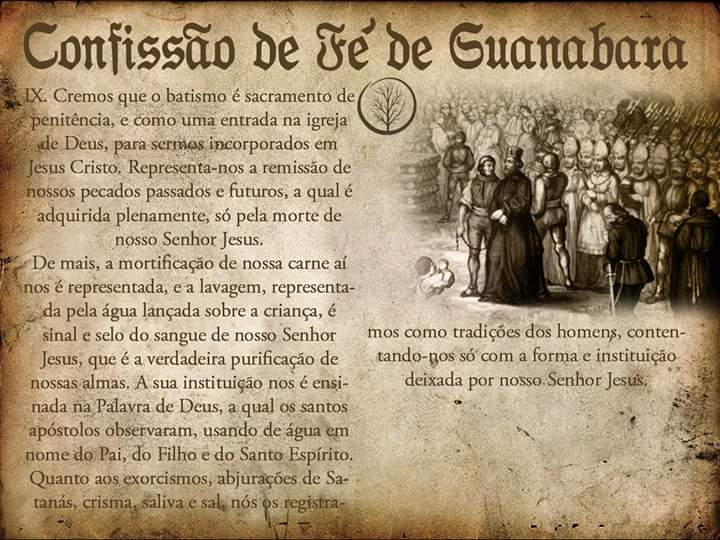









Fonte: Reformai
-
Divine providence – from the beginning to the end!
Providence
prov’-i-dens:
I. PROVIDENCE DEFINED
II. DIFFERENT SPHERES OF PROVIDENTIAL ACTIVITY DISTINGUISHED
III. BIBLICAL PRESENTATION OF THE DOCTRINE OF PROVIDENCE
1. Divine Providence in the Old Testament Scriptures
(1) Providence in the Pentateuch
(2) The Historical Books of the Old Testament
(3) The Psalms
(4) The Wisdom Literature
(5) The Book of Job
(6) The Prophetical Writings
2. Divine Providence in the New Testament
(1) The Synoptic Gospels
(2) The Johannine Writings
(3) The Book of Ac and Other New Testament History
(4) The Pauline Epistles
(5) The Petrine Epistles, and Other New Testament Writings
3. Old Testament and New Testament Doctrines of Providence Compared
(1) The New Emphasis on the Fatherhood and Love of God
(2) The Place of Christ and the Holy Spirit in Providence
(3) The New Emphasis upon Moral and Spiritual Blessings
IV. DISCUSSION OF THE CONTENTS OF THE BIBLICAL DOCTRINE
1. Different Views of Providence Compared
(1) The Atheistic or Materialistic View
(2) The Pantheistic View
(3) The Deistic View
(4) The Theistic or Biblical View
(5) The Divine Immanence
2. The Divine Purpose and Final End of Providence
3. Special Providence
(1) Spiritual, Not Material, Good to Man the End Sought in Special Providence
(2) Special Providence and “Accidents”
(3) Special Providence as Related to Piety and Prayer
(4) Special Providence as Related to Human Cooperation
(5) General and Special Providence Both Equally Divine
4. Divine Providence and Human Free Will
(1) Divine Providence as Related to Willing Wills
(2) Divine Providence as Related to Sinful Free Will
5. Divine Providence as Related to Natural and Moral Evil
6. Evil Providentially Overruled for Good
7. Interpreting Providence
8. Conclusion
LITERATURE
I. Providence Defined.
The word “provide” (from Latin providere) means etymologically “to foresee.” The corresponding Greek word, pronoia, means “forethought.” Forethought and foresight imply a future end, a goal and a definite purpose and plan for attaining that end. The doctrine of final ends is a doctrine of final causes, and means that that which is last in realization and attainment is first in mind and thought. The most essential attribute of rational beings is that they act with reference to an end; that they act not only with thought but with forethought. As, therefore, it is characteristic of rational beings to make preparation for every event that is foreseen or anticipated, the word “providence” has come to be used less in its original etymological meaning of foresight than to signify that preparation care and supervision which are necessary to secure a desired future result. While all rational beings exercise a providence proportioned to their powers, yet it is only when the word is used with reference to the Divine Being who is possessed of infinite knowledge and power that it takes on its real and true significance. The doctrine of divine providence, therefore, has reference to that preservation care and government which God exercises over all things that He has created in order they may accomplish the ends for which they were created.
“Providence is the most comprehensive term in the language of theology. It is the background of all the several departments of religious truth, a background mysterious in its commingled brightness and darkness. It penetrates and fills the whole compass of the relations of man with his Maker. It connects the unseen God with the visible creation, and the visible creation with the work of redemption, and redemption with personal salvation, and personal salvation with the end of all things. It carries our thoughts back to the supreme purpose which was in the beginning with God, and forward to the foreseen end and consummation of all things, while it includes between these the whole infinite variety of the dealings of God with man” (W. B. Pope, Compendium of Christian Theology, I, 456).
II. Different Spheres of Providential Activity Distinguished.
The created universe may be conveniently divided, with reference divine providence, into three departments: first, the inanimate or physical universe, which is conserved or governed by God according to certain uniform principles called the laws of Nature; secondly, animate existence, embracing the vegetable and animal world, over which God exercises that providential care which is necessary to sustain the life that He created; and thirdly, the rational world, composed of beings who, in addition to animate life, are possessed of reason and moral free agency, and are governed by God, not necessitatively, but through an appeal to reason, they having the power to obey or disobey the laws of God according to the decision of their own free wills. This widespread care and supervision which God exercises over His created universe is commonly designated as His general providence which embraces alike the evil and the good, in addition to which there is a more special and particular providence which He exercises over and in behalf of the good, those whose wills are in harmony with the divine will. III. Biblical Presentation of the Doctrine of Providence.
The word “providence” is used only once in the Scriptures (Ac 24:2), and here it refers, not to God, but to the forethought and work of man, in which sense it is now seldom used. (See also Ro 13:14, where the same Greek word is translated “provision.”) While, however, the Biblical use of the word calls for little consideration, the doctrine indicated by the term “providence” is one of the most significant in the Christian system, and is either distinctly stated or plainly assumed by every Biblical writer. The Old Testament Scriptures are best understood when interpreted as a progressive revelation of God’s providential purpose for Israel and the world. Messianic expectations pervade the entire life and literature of the Hebrew people, and the entire Old Testament dispensation may not improperly be regarded as the moral training and providential preparation of the world, and especially of the chosen people, for the coming Messiah. In the apocryphal “Book of Wisdom” the word “providence” is twice used (Wisd 14:3; 17:2) in reference to God’s government of the World. Rabbinical Judaism, according to Josephus, was much occupied with discussing the relation of divine providence to human free will. The Sadducees, he tells us, held an extreme view of human freedom, while the Essenes were believers in absolute fate; the Pharisees, avoiding these extremes, believed in both the overruling providence of God and in the freedom and responsibility of man (Ant., XIII, v, 9; XVIII, i, 3; BJ, II, viii, 14). See PHARISEES. The New Testament begins with the announcement that the “kingdom of heaven is at hand,” which declaration carries along with it the idea of a providential purpose and design running through the preceding dispensation that prepared for the Messiah’s coming. But the work of Christ is set forth in the New Testament, not only as the culmination of a divine providence that preceded it, but as the beginning of a new providential order, a definite and far-reaching plan, for the redemption of the world, a forethought and plan so comprehensive that it gives to the very idea of divine providence a new, larger and richer meaning, both intensively and extensively, than it ever had before. The minutest want of the humblest individual and the largest interests of the world-wide kingdom of God are alike embraced within the scope of divine providence as it is set forth by Christ and the apostles.
1. Divine Providence in the Old Testament Scriptures:
(1) Providence in the Pentateuch.
The opening sentence of the Scriptures, “In the beginning God created the heaven and the earth,” is a noble and majestic affirmation of God’s essential relationship to the origin of all things. It is followed by numerous utterances scattered throughout the sacred volume that declare that He who created also preserves and governs all that He created. But the Israelite nation was from the beginning of its history, in the Hebrew conception, the special object of God’s providence and care, though it was declared that Yahweh’s lordship and government extended over all the earth (Ex 8:22). The Deuteronomist (De 10:14) uses language which implies that divine possession of all things in heaven and earth carries along with it the idea of divine providence and control; and he also regards Israel as Yahweh’s peculiar possession and special care (De 32:8).
This special providence that was over the elect nation as a whole was also minute and particular, in that special individuals were chosen to serve a providential purpose in the making of the nation, and were divinely-guided in the accomplishment of their providential mission. Thus Abraham’s providential place in history is set forth in Neh 9:7; Neh 9:8 (refs2). Jacob acknowledges the same providential hand in his life (Gen 31:42; Gen 48:15(refs2)). The life of Joseph abounds in evidences of a divine providence (Gen 45:5; Gen 45:7; Gen 50:20 (refs3)). The whole life-history of Moses as it is found in the Pentateuch is a study in the doctrine of divine providence. Other lives as set forth in these early narratives may be less notable, but they are not less indebted to divine providence for what they are and for what they accomplish for others. Indeed, as Professor Oehler remarks, “The whole Pentateuchal history of revelation is nothing but the activity of that divine providence which in order to the realization of the divine aim, is at once directed to the whole, and at the same time proves itself efficacious in the direction of the life of separate men, and in the guiding of all circumstances” (Old Testament Theology).
(2) The Historical Books of the Old Testament.
In a sense all the books of the Old Testament are historical in that they furnish material for writing a history of the people of Israel. See ISRAEL, HISTORY OF. The Pentateuch, the Poetical Books, the Wisdom Literature, the Prophets, all furnish material for writing Old Testament history; but there is still left a body of literature, including the books from Joshua to Esther that may with peculiar fitness designated as historical. These books are all, in an important sense, an interpretation and presentation of the facts of Hebrew history in their relation to divine providence. The sacred historians undertake to give something of a divine philosophy of history, to interpret in a religious way the facts of history, to point out the evils of individual and national sin and the rewards and blessings of righteousness, and to show God’s ever-present and ever-guiding hand in human history–that He is not a silent spectator of human affairs, but the supreme moral Governor of the universe, to whom individuals and nations alike owe allegiance. To the Hebrew historian every event in the life of the nation has a moral significance, both because of its relation to God and because of its bearing on the providential mission and testing of Israel as the people of God. The Book of Judges, which covers the “dark ages” of Bible history, and is an enigma to many in the study of God’s hand in history, shows how far God must needs condescend at times in His use of imperfect and even sensual men through whom to reveal His will and accomplish His work in the world. While therefore He condescends to use as instruments of His providence such men as Samson and Jephthah, it is never through these that He does His greatest work, but through an Abraham, a Joseph, a Moses, an Isaiah, through men of lofty moral character. And this is one of the most notable lessons of Old Testament history if it be studied as a revelation of God’s providential methods and instrumentalities. Among these historical writers none has given clearer and stronger expression to God’s providential relation to the physical world as its preserver and to the moral world as its Divine Governor than the author of Nehemiah. “Thou, even thou, art Lord alone; thou hast made heaven, the heaven of heavens, with all their host, the earth, and all things that are therein, the seas, and all that is therein, and thou preservest them all. …. Yet thou in thy manifold mercies forsookest them not in the wilderness: the pillar of the cloud departed not from them by day, to lead them in the way; neither the pillar of fire by night, to shew them light, and the way wherein they should go. Thou gavest also thy good spirit to instruct them” (Neh 9:6; Neh 9:19; Neh 9:20(refs3) the King James Version). His words reflect the views that were entertained by all the Old Testament historains as to God’s hand in the government and guidance of the nation. Hebrew history, because of the divine promises and divine providence, is ever moving forward toward the Messianic goal.
(3) The Psalms.
The poets are among the world’s greatest religious teachers, and theology of the best poets generally represents the highest and purest faith that is found among a people. Applying this truth to the Hebrew race, we may say that in the Psalms and the Book of Job we reach the high-water mark of the Old Testament revelation as to the doctrine of divine providence. The Psalmist’s God is not only the Creator and Preserver of all things, but is a prayer-hearing and prayer-answering God, a Being so full of tender mercy and loving-kindness that we cannot fail to identify Him with the God whom Christ taught us to call “our Father.” Nowhere else in the entire Scriptures, except in the Sermon on the Mount, can we find such a full and clear exhibition of the minute and special providence of God over His faithful and believing children as in the Psalms–notably such as Psalms 91; 103; 104 and 139. Ps 105 traces God’s hand in providential and gracious guidance through every stage of Israel’s wondrous history. Thanksgiving and praise for providential mercies and blessings abound in Psalms 44; 66; 78; 85; 138. While the relation of God’s power and providence to the physical universe and to the material and temporal blessings of life is constantly asserted in the Psalms, yet it is the connection of God’s providence with man’s ethical and spiritual nature, with righteousness and faith and love, that marks the highest characteristic of the Psalmist’s revelation of the doctrine of providence. That righteousness and obedience are necessary conditions and accompaniments of divine providence in its moral aspects and results is evidenced by numerous declarations of the psalmists (1:6; 31:19,20; 74:12; 84:11; 91:1; 125:2). This thought finds happiest expression in Ps 37:23 the King James Version: “The steps of a good man are ordered of the Lord, and he delighteth in his way.” The inspired poets make it plain that the purpose of divine providence is not merely to meet temporal wants and bring earthly blessings, but to secure the moral good of individuals and nations.
(4) The Wisdom Literature.
The doctrine of providence finds ample and varied expression in the wisdom Lit. of the Old Testament, notably in the Book of Proverbs. The power that preserves and governs and guides is always recognized as inseparable from the power that creates and commands (Prov 3:21-26; Prov 16:4 (refs2)). Divine providence does not work independently of man’s free will; providential blessings are conditioned on character and conduct (Pr 26:10 the King James Version; Prov 2:7; Prov 2:8; Prov 12:2; Prov 12:21 (refs4)). There cannot be, in Old Testament terms of faith, any stronger statement of the doctrine of divine providence than that given by the Wise Men of Israel in the following utterances recorded in the Book of Proverbs: “In thy ways acknowledge him and he will direct thy paths” (3:6); “A man’s heart deviseth his way, but Yahweh directeth his steps” (16:9) “The lot is cast into the lap; but the whole disposing thereof is of Yahweh” (16:33); “A man’s goings are of Yahweh” (20:24); “The king’s heart is in the hand of Yahweh as the watercourses: He turneth it whithersoever he will” (21:1); “The horse is prepared against the day of battle; but victory is of Yahweh” (21:31). See also 3:21-26; 12:2,21. The conception of providence that is presented in the Book of Ecclesiastes seems to reflect the views of one who had had experience in sin and had come into close contact with many of life’s ills. All things have their appointed time, but the realization of the providential purposes and ends of creaturely existence is, wherever human free agency is involved, always conditioned upon man’s exercise of his free will. The God of providence rules and overrules, but He does not by His omnipotence overpower and override and destroy man’s true freedom. Things that are do not reflect God’s perfect providence, but rather His providence as affected by human free agency and as marred by man’s sin (Ec 3:1-11). “I know that there is nothing better for them, than to rejoice, and to do good so long as they live: And also that every man should eat and drink and enjoy good in all his labor, is the gift of God” (Eccl 3:12; Eccl 3:13(refs2); see also Ec 3:14); “The righteous, and the wise, and their works, are in the hand of God” (Ec 9:1); “The race is not to the swift, nor the battle to the strong” (Ec 9:11). The same conclusion that the author of Ecclesiastes reached as to how human life is affected by divine providence and man’s sin has found expression in the oft-quoted lines of the great poet:
“There’s a Divinity that shapes our ends,
Rough-hew them how we will.”
(5) The Book of Job.
The greatest of all the inspired contributions to the Wisdom Literature of the Old Testament, the Book of Job, demands special consideration. It is the one book in the Bible that is devoted wholly to a discussion of divine providence. The perplexities of a thoughtful mind on the subject of divine providence and its relation to human suffering have nowhere in the literature of the world found stronger and clearer expression than in this inspired drama which bears the name of its unique and marvelous hero, Job. Job represents not only a great sufferer, but an honest doubter: he dared to doubt theology of his day, a theology which he had himself doubtless believed until experience, the best of all teachers, taught him its utter inadequacy to explain the deepest problems of human life and of divine providence. The purpose of this book in the inspired volume seems to be to correct the prevailing theology of the day with regard to the subject of Sin and suffering in their relation to divine providence. There is no more deplorable and hurtful error that a false theology could teach than that all suffering in this world is a proof of sin and a measure of one’s guilt (see AFFLICTION). It is hard enough for the innocent to suffer. To add to their suffering by them that it is all because they are awful sinners, even though their hearts assure them that they are not, is to lay upon the innocent a burden too grievous to be borne. The value in the inspired Canon of a book written to reveal the error of such a misleading doctrine as this cannot easily be over-estimated. The invaluable contribution which this book makes to the Biblical doctrine of providence is to be found, not in individual and detached sayings, striking and suggestive as some of these may be, but rather in the book as a whole. Statements concerning God’s general abound in this inspired drama–such these, for example: “Who knoweth not in all these, that the hand of Yahweh hath wrought this, in whose hand is the soul of every living thing, and the breath of all mankind?” (Job 12:9; Job 12:10 (refs2)) ; “Who hath given him a charge over the earth? or who hath disposed the whole world? …. He shall break in pieces mighty men without number, and set others in their stead” (Job 34:13; Job 34:14(refs2) the King James Version).
But the special contribution of the Book of Job to the doctrine of divine providence, as already indicated, is to set forth its connection with the fact of sin and suffering. Perplexed souls in all ages have been asking: If God be all-powerful and all-good, why should there be any suffering in a world which He created and over which He rules? If He cannot prevent suffering is He omnipotent? If He can, but will not prevent suffering, is He infinitely good? Does the book solve the mystery? We cannot claim that it does. But it does vindicate the character of God, the Creator, and of Job, the moral free agent under trial. It does show the place of suffering in a moral world where free agents are forming Character; it does show that perfect moral character is made, not by divine omnipotence, but by trial, and that physical suffering serves a moral end in God’s providential government of men and nations. While the book does not clear the problem of mystery, it does show how on the dark background of a suffering world the luminous holiness of divine and human character may be revealed. The picture of this suffering man of Uz, racked with bodily pains and irritated by the ill-spoken words of well-meaning friends, planting himself on the solid rock of his own conscious rectitude, and defying earth and hell to prove him guilty of wrong, and knowing that his Vindicator liveth and would come to his rescue–that is an inspired picture that will make every innocent sufferer who reads it stronger until the end of time.
See also JOB, BOOK OF.
(6) The Prophetical Writings.
Nowhere in all literature is the existence and supremacy of a moral and providential order in the world more clearly recognized thin in the writings of the Old Testament prophets. These writings are best understood when interpreted as the moral messages and passionate appeals of men who were not only prophets and preachers of righteousness to their own times, but students and teachers of the moral philosophy of history for all time, seers, men of vision, who interpreted all events in the light of their bearing on this moral and providential order, in which divine order the Israelite nation had no small part, and over which Israel’s God was sovereign, doing “according to his will in the army of heaven and among the inhabitants of earth.” While each prophetic message takes its coloring from the political, social and moral conditions that called it forth, and therefore differs from every other message, the prophets are all one in their insistence upon the supremacy and divine authority of this moral order, and in their looking forward to the coming of the Messiah and the setting up of the Messianic kingdom as the providential goal and consummation of the moral order. They all describe in varying degrees of light and shade a coming time when One born of their own oppressed and down-trodden race should come in power and glory, and set up a kingdom of righteousness and love in the earth, into which kingdom all nations shall be ultimately gathered; and of His kingdom there shall be no end. God’s providential government of the nation was always and everywhere directed toward this Messianic goal. The language which an inspired writer puts into the mouth of Nebuchadnezzar, the heathen king, is an expression, not so much of the Gentileconception of God and His government, as it is of the faith of a Hebrew prophet concerning God’s relationship to men and nations: “He doeth according to his will in army of heaven, and among the inhabitants of the earth; and none can stay his hand, or say unto him, What doest thou?” (Da 4:35). The providential blessings which the prophets promise to the people, whether to individuals or to the nation, are never a matter of mere omnipotence or favoritism, but are inseparably connected with righteous conduct and holy character. The blessings promised are mainly spiritual, but whether spiritual or material, they are always conditioned on righteousness. The Book of Isaiah is especially rich in passages that emphasize the place of moral conduct and character in God’s providential government of the world, the supreme purpose and end of which are to establish a kingdom of righteousness in the earth (Isa 33:13-16; Isa 35:8-10; Isa 43:2; Isa 46:4; Isa 54:14-17(refs5)). Divine providence is both personal and national, and of each it is declared in varying terms of assurance that “Yahweh will go before you; and the God of Israel will be your rearward” (Isa 52:12). Each of the major and minor prophets confirms and re-enforces the teachings of this greatest and most truly representative of all the Old Testament prophets.
2. Divine Providence in the New Testament:
(1) The Synoptic Gospels.
The Synoptic Gospels furnish the richest possible material for a study of the doctrine of divine providence. They recognize in the advent of Christ the fulfillment of a long line of Messianic prophecies and the culmination of providential purposes and plans that had been in the divine mind from the beginning and awaited the fullness of time for their revelation in the Incarnation (Matt 1:22; Matt 2:5; Matt 2:15; Matt 3:3 (refs4)). In His private and personal life of service and prayer Christ is a model of filial trust in the providence of the heavenly Father (Matt 11:25; Matt 26:39; Mark 1:35; Mark 6:46; Luke 3:21; Luke 11:1(refs6)). His private and public utterances abound in declarations concerning God’s ever-watchful and loving care for all His creatures, but above all for those creatures who bear His own image; while His teachings concerning the Kingdom of God reveal a divine providential plan for the world’s redemption and education extending of necessity far into the future; and still beyond that, in His vision of divine providence, comes a day of final judgment, of retribution and reward, followed by a new and eternal order of things, in which the destiny of every man will be determined by his conduct and character in this present life (see our Lord’s parables concerning the Kingdom: Matt 13:24-50; Mark 4:26(refs2) ff; Lu 14:16 ff; also Mt 24 and 25). The many familiar utterances of our Lord, found in the Synoptic Gospels, contain the most essential and precious of all the New Testament revelations concerning the providence of the heavenly Father (Matt 5:45; Matt 6:26-34; Matt 10:29-31; Luke 21:16-18(refs4)).
(2) The Johannine Writings.
John’s Gospel differs from the Synoptic Gospels in its mode of presenting the doctrine of providence chiefly in that it goes back to the mind and purpose of God in the very beginning (Joh 1:1-5), whereas the Synoptic Gospels simply go back to the Messianic prophecies of the Old Testament. Both the Gospel and the Epistles of John in their presentation of divine providence place the greatest possible emphasis on divine love and filial trust, the latter rising in many places to the point of positive assurance. The Book of Revelation is a prophetic vision, in apocalyptic form, of God’s providential purpose for the future, dealing not so much with individuals as with nations and with the far-reaching movements of history extending through the centuries. God is revealed in John’s writings, not as an omnipotent and arbitrary Sovereign, but as an all-loving Father, who not only cares for His children in this life but is building for them in the world to come a house of many mansions (Joh 14:1-20).
(3) The Book of Ac and Other New Testament History.
The historical portions of the New Testament, as contained in the Acts, and elsewhere, while not eliminating or depreciating the element of human freedom in individuals and nations, yet recognize in human life and history the ever-present and all-controlling mind of that God in whom, it is declared, “we live, and move, and have our being” (Ac 17:28). The career of the first distinctive New Testament character begins with these words: “There came a man, sent from God, whose name was John” (Joh 1:6). But not only John, the forerunner, but every other individual, according to the New Testament conceptions, is a man “sent from God.” The apostles conceive themselves to be such; Stephen, the martyr, was such; Paul was such (Ac 22:21). New Testament biography is a study in providentially guided lives, not omitting references to those who refuse to be so guided–for such is the power of human free agency, many who are “sent from God” refuse to go upon their divinely-appointed mission. The Day of Pentecost is the revelation of a new power in history–a revelation of the place and power which the divine-human Christ and the Holy Spirit are to have henceforth in making history–in making the character of the men and the nations whose deeds are to make history. The most potent moral force in history is to be, from the day of Pentecost on, the ascended incarnate Christ, and He is to be all the more influential in the world after His ascension, when His work shall be done through the Holy Spirit. This is the historical view of providence as connected with the person of Christ, which the New Testament historians present, and which we, after 19 centuries of Christian history, are warranted in holding more confidently and firmly even than the Christians of the 1st century could hold it; for the Christian centuries have proved it true. What God is in Nature Christ is in history. All history is becoming Christian history, thus realizing the New Testament conception of divine providence in and through Christ.
(4) The Pauline Writings.
No character of whom we have any account in Christian literature was providentially prepared for his life-work and providentially guided in accomplishing that life-work more truly than was the apostle Paul. We find, there. fore, as we would antecedently expect, that Paul’s speeches and writings abound in proofs of his absolute faith in the overruling providence of an all-wise God. His doctrine of predestination and foreordination is best understood when interpreted, not as a divine power predetermining human destiny and nullifying the human will, but as a conception of divine providence as the eternal purpose of God to accomplish an end contemplated and foreseen from the beginning, namely, the redemption of the world and the creation in and through Christ of a new and holy humanity. Every one of the Pauline Epistles bears witness to the author’s faith in a divine providence that overrules and guides the life of every soul that works in harmony with the divine will; but this providence is working to secure as its chief end, not material and temporal blessings, but the moral and spiritual good of those concerned. Paul’s teachings concerning divine providence as it concerns individuals and is conditioned on character may be found summed up in what is perhaps the most comprehensive single sentence concerning providence that was ever written: “And we know that all things work together for good to them that love God, to them who are the called according to his purpose” (Ro 8:28 the King James Version). Any true exposition of the New Testament doctrine of divine providence that may be given can only be an unfolding of the content of this brief but comprehensive statement. The greatest of the Pauline Epistles, that to the Romans, is a study in the divine philosophy of history, a revelation of God’s providential purpose and plan concerning the salvation, not merely of individuals, but of the nations. These purposes, as Paul views them, whether they concern individuals or the entire race, are always associated with the mediatorial ministry of Christ: “For of him, and through him, and unto him, are all things. To him be the glory for ever” (Ro 11:36).
(5) The Petrine Epistles, and Other New Testament Writings.
The Epistles of Peter, James, and Jude, and the Epistle to the Hebrews, are all in entire accord with the teachings of the other New Testament writings already considered. Peter, who at first found it so hard to see how God’s providential purpose in and for the Messiah could be realized if Christ should suffer and die, came later to see that the power and the glory of Christ and His all-conquering gospel are inseparably connected with the sufferings and death of the Messiah (1Pet 1:11; 1Pet 1:12 (refs2)). No statement concerning God’s providence over the righteous can be clearer or stronger than the following utterance of Peter: “The eyes of the Lord are upon the righteous, And his ears unto their supplication: But the face of the Lord is upon them that do evil. And who is he that will harm you, if ye be zealous of that which is good?” (1Pet 3:12; 1Pet 3:13 (refs2)). The purpose and end of divine providence as viewed in the Epistle of James are always ethical: as conduct and character are the end and crown of Christian effort, so they are the end and aim of divine providence as it cooperates with men to make them perfect (Jas 1:5; Jas 1:17; Jas 1:27; Jas 2:5; Jas 5:7 (refs5)). The apologetic value of the Epistle to the Hebrews grows out of the strong proof it presents that Christ is the fulfillment, not only of the Messianic prophecies and expectations of Israel, but of the providential purposes and plans of that God who at sundry times and in divers manners had spoken in times past unto the fathers by a long line of prophets (Heb 1:1; Heb 1:2; Heb 11:7-40; Heb 13:20; Heb 13:21 (refs5)). It would be difficult to crowd into one short chapter a more comprehensive study of the lessons of history that illustrate the workings and the retributions of the moral law under divine providence than is found in the Epistle of Jude (see especially 1:5,7,11,14,15,24).
3. Old Testament and New Testament Doctrines of Providence Compared:
From this brief survey of the teachings of the Old Testament and New Testament Scriptures concerning the doctrine of divine providence, it will be seen that, while the New Testament reaffirms in most particulars the doctrine of divine providence as set forth in the Old Testament Scriptures, there are three particulars in which the points of emphasis are changed, and by which new and changed emphasis the doctrine is greatly enriched in the New Testament.
(1) The New Emphasis on the Fatherhood and Love of God.
The God of providence in the Old Testament is regarded as a Sovereign whose will is to be obeyed, and His leading attributes are omnipotence and holiness, whereas in the New Testament God is revealed as the heavenly Father, and His providence is set forth as the forethought and care of a father for his children. His leading attributes here are love and holiness–His very omnipotence is the omnipotence of love. To teach that God is not only a righteous Ruler to be feared and adored, but a tender and loving Father who is ever thinking of and caring for His children, is to make God lovable and turn His providence into an administration of Almighty love.
(2) The Place of Christ and the Holy Spirit in Providence.
The doctrine of providence in the New Testament is connected with the person of Christ and the administration of the Holy Spirit, in a manner that distinguishes it from the Old Testament presentation of providence as the work of the one God who was there revealed in the simple unity of His nature without distinction of persons. If it be true, as some theologians have taught, that “God the Father plans, God the Son executes, and God the Holy Ghost applies,” then it would follow that providence is the work exclusively of Christ and the Holy Spirit; but this theological formula, while it has suggestive value, cannot be accepted as an accurate statement of Biblical doctrine with reference to divine providence. Christ constantly refers creation and providence to the Father. But He also said, “My Father worketh even until now, and I work” (Joh 5:17), and the New Testament writers attribute to Christ the work both of creation and providence. Thus Paul: “For by him were all things created, that are in heaven and that are in earth, visible and invisible, whether they be thrones, or dominions, or principalities, or powers: all things were created by him, and for him: and he is before all things, and by him all things consist” (Col 1:16; Col 1:17(refs2) the King James Version). Although this and other passages refer to Christ’s relation to general providence, including the government of the physical universe, yet it is only when the divine government is concerned with the redemption of a lost world and the establishment of the Kingdom of God in the hearts and lives of men, that the full extent of Christ’s part in divine providence can be realized. The saving and perfecting of men is the supreme purpose of providence, if it be viewed from the New Testament standpoint, which is that of Christ’s mediatorial ministry.
(3) The New Emphasis upon Moral and Spiritual Blessings.
The New Testament not only subordinates the material and temporal aspects of providence to the spiritual and eternal more than does the Old Testament, but Christ and the apostles, to an extent that finds no parallel in the Old Testament, place the emphasis of their teaching concerning providence upon man’s moral needs and eternal interests, and upon the Kingdom of God and His righteousness, the establishment of which in the hearts and lives of men is the one great object for which both the heavenly Father and His children are ceaselessly working. To be free from sin, to be holy in heart and useful in life, to love and obey God as a Father, to love and serve men as brothers–this is the ideal and the end for which, according to the New Testament, men should work and pray, and this is the end toward which God is working by His ceaseless cooperative providence.
IV. Discussion of the Contents of the Biblical Doctrine.
1. Different Views of Providence Compared:
There are four distinct conceptions of providence as it concerns God’s relation to the ongoing of the world and to man, the rational and moral free agent whom He has placed upon it, namely, the atheistic, the deistic, the pantheistic, and theistic or Biblical view. See also GOD, I, 4. The last named view can best be understood only when stated in comparison and contrast with these opposing views.
(1) The Atheistic or Materialistic View:
Atheism or materialism, stands at one extreme, affirming that there is no God, that the material universe is eternal, and that from material atoms, eternally endowed with certain properties, there have come, by a process of evolution, all existing forms of vegetable, animal and rational life. As materialism denies the existence of a personal Creator, it, of course, denies any and every doctrine of divine providence.
(2) The Pantheistic View:
Pantheism stands at the other extreme from atheism, teaching that God is everything and everything is God. The created universe is “the living garment” of God–God is the soul of the world, the universe His existence form. But God is an infinite It, not a personal Being who can express His existence in terms of selfconsciousness–I, Thou, He, Providence, according to pantheism, is simply the evolution of impersonal deity, differing from materialism only in the name which it gives to the infinite substance from which all things flow.
(3) The Deistic View:
Deism teaches that there is a God, and that He created the world, but created things do not need His presence and the exercise of His power in order to continue in existence and fulfill their functions. The material world is placed under immutable law; while man, the rational and moral free agent, is left to do as he wills. God sustains, according to deism, very much the same relation to the universe that the clock-maker does to his timepiece. Having made his clock, and wound it up, he does not interfere with it, and the longer it can run without the maker’s intervention the greater the evidence of wisdom and skill on the part of the maker. God according to deism has never wrought a miracle nor made a supernatural revelation to man. The only religion that is possible to man is natural religion; he may reason from Nature up to Nature’s God. The only value of prayer is its subjective influence; it helps us to answer our own prayers, to become and be what we are praying to be. If the Divine Being is a prayer-hearing God, He is least not a prayer-answering God. The laws of Nature constitute God’s general providence; but there is no other personal and special providence than this, according to deism. God, the deists affirm, is too great, too distant, too transcendent a Being to concern Himself with the details of creaturely existence.
(4) The Theistic or Biblical View:
The theistic or Biblical conception of providence teaches that God is not only the Creator but the Preserver of the universe, and that the preservation of the universe, no less than its creation, implies and necessitates at every moment of time an omnipotent and omnipresent personal Being. This world is not “governed by the laws of Nature,” as deism teaches, but it is “governed by God according to the laws of Nature.” “Law,” in itself, is an impotent thing, except as it is the expression of a free will or person back of it; “the laws of Nature” are meaningless and impotent, except as they are an expression of the uniform mode, according to which God preserves and governs the world. It is customary to speak of the laws of Nature as if they were certain self-existent forces or powers governing the world. But shall we not rather say that there is no real cause except personal will–either the divine will or created wills? If this be true, then it is inconsistent to say that God has committed the government of the physical universe to “secondary causes”–that is, to the laws of Nature–and that these laws are not immediately dependent upon Him for their efficiency. The omnipresent and ever-active God is the only real force and power and cause in the universe, except as created wills may be true and real causes within their limited bounds. This view of God’s relation to the created universe serves to distinguish the Biblical doctrine of divine providence from the teachings of materialists and deists, who eliminate entirely the divine hand from the ongoing of the universe, and in its stead make a god of the “laws of Nature,” and hence, have no need for a divine preserver. Biblical theism makes ample room for the presence of the supernatural and miraculous, but we must not be blind to a danger here, in that it is possible to make so much of the presence of God in the supernatural (revelation, inspiration, and miracle) as to overlook entirely His equally important and necessary presence in the natural–which would be to encourage a deistical conception of God’s relation to the world by exaggerating His transcendence at the expense of His immanence. That is the true theistic doctrine of providence which, while not undervaluing the supernatural and miraculous, yet stedfastly maintains that God is none the less present in, and necessary to, what is termed the “natural.”
(5) The Divine Immanence.
This idea of God’s essential relation to the continuation of all things in existence is perhaps best expressed by the term “immanence.” Creation emphasizes God’s transcendence, while providence emphasizes His immanence. Pantheism affirms God’s immanence, but denies His transcendence. Deism affirms His transcendence, but denies His immanence. Biblical theism teaches that God is both transcendent and immanent. By the term “transcendence,” when applied to God, is meant that the Divine Being is a person, separate and distinct from Nature and above Nature–“Nature” being used here in its largest signification as including all created things. By the Divine Immanence is meant that God is in Nature as well as over Nature, and that the continuance of Nature is as directly and immediately dependent upon Him as the origin of Nature–indeed, by some, God’s preservation of the created universe is defined as an act of “continuous creation.” By the Divine Immanence is meant something more than omnipresence, which term, in itself alone, does not affirm any causal relation between God and the thing to which He is present, whereas the term “immanence” does affirm such causal relation. By asserting the Divine Immanence, therefore, as the mode of God’s providential efficiency, we affirm that all created things are dependent upon Him for continued existence, that the laws of Nature have no efficiency apart from their Creator and Preserver, that God is to be sought and seen in all forms and phases of creaturely existence, in the natural as well as the supernatural and miraculous, that He is not only omnipresent but always and everywhere active both in the natural and the spiritual world, and that without Him neither the material atom, nor the living organism, nor the rational soul could have any being. He not only created all things, but “by him all things consist,” that is, by Him all things are preserved in being.
2. The Divine Purpose and Final End of Providence:
What, then, let us ask, do the Scriptures teach as to the purpose and end of God’s providential goverment of the world? Back of this question is another: What was the divine motive and supreme thought in the creation of the universe, and what the final cause and end of all things in the mind and purpose of God? If we can think God’s thoughts after Him and discover this “final cause” of creation, with even approximate accuracy, then we shall find a principle that will illuminate at least, if it does not fully explain, the methods and mysteries of providence. We venture to affirm that the controlling thought in the mind of God in establishing this order of things, of which we are a conscious part, was to create a race of beings who should find their highest happiness by being in the highest degree holy, and who should, in proportion as they attain their highest holiness and happiness, thereby in the highest degree glorify their Creator. The Creator’s highest glory can be promoted only by such beings as are at once rational, moral, free, holy. There are unconscious, unthinking, unmoral forms of existence, but the motive and meaning of the universe is to be found, not in the lower, the physical and animal, but in the highest, in the rational and moral. The lower exists for the higher, the material and animal for the spiritual and moral. A being whose character is formed under the conditions and laws of intellectual and moral freedom is higher than any being can be that is what it is necessitatively, that is, by virtue of conditions over which it has no control. Character that is formed freely under God’s government and guidance will glorify the Creator more than anything can which is made to be what it is wholly by divine omnipotence. These things being true, it follows that God’s providence in the world will be directed primarily and ceaselessly toward developing character in free moral agents, toward reducing sin to the minimum and developing the maimum of holiness, in every way and by every means compatible with perfect moral freedom in the creature.
The possibility of sin in a world of free agents and in a state of probation is unavoidable, but to say that sin is possible does not mean that it is necessary. See CHOICE; WILL. The final cause and end, the purpose and motive, of divine providence, then, are not the temporal, material and earthly happiness of men, but the highest ultimate moral good of free beings whose highest happiness is secured through their highest holiness–which means first, their obedience to the holy will of God as their Father, and secondly, loving and self-sacrificing service to their fellow-men. This ever-present and all-dominating moral purpose of divine providence determines its methods and explains, in part at least, what would otherwise be its mysteries. With this conception of divine providence the general trend of Biblical thought is in entire accord. In the light of Christ’s revelation of God as a holy and loving Father who regards all men as His children and whose chief concern is to develop holiness and love in those whom He loves, we may define divine providence as Infinite Wisdom, using infinite power to accomplish the ends of infinite holiness and love. The originating and determining cause of divine providence is, in the New Testament conception of it, always to be found in the love of God, while the final cause is the glory of the Father as realized in the holiness and happiness of His children.
3. Special Providence:
By the doctrine of special providence, according to the best use of that term in theological literature, is meant as already indicated, that minute care and ever-watchful supervision which God exercises over His obedient and believing children in things, both small and great, which are designed to secure their ever-increasing holiness and usefusness. God’s general providence is and must be special, in that it descends to particulars–to the minute details of creaturely existence–and is always and everywhere active. But the Scriptures teach that there is a more special care over and ordering of the lives of the spiritually good than pertains to the wicked, who have not the fear of God before their eyes. The following Scriptures set forth in unmistakable terms the doctrine of a special providence exercised by the heavenly Father over and in behalf of the righteous: “A man’s goings are established of Yahweh; and he delighteth in his way” (Ps 37:23); “In all thy ways acknowledge him, and he will direct thy paths” (Pr 3:6); “There shall no mischief happen to the righteous” (Pr 12:21); “But seek ye first his kingdom, and his righteousness; and all these things shall be added unto you” (Mt 6:33); “To them that love God all things work together for good” (Ro 8:28). The following points seem to be plainly involved in any statement of the doctrine of special providence that can claim to be faithful to the teachings of the Scriptures;
(1) Spiritual, Not Material, Good to Man the End Sought in Special Providence.
A mistaken and hurtful notion has long been prevalent to the effect that special providence is designed to secure the secular and earthly good, the material and temporal prosperity, of God’s children. Nothing could be farther from the truth. Material blessings may indeed come as a special providence to the child of God (Mt 6:33 et al.), but that “good” which all things work together to secure for them that love God is mainly spirtual good, and not financial or social, or intellectual, or temporal good, except as these may secure ultimate spiritual good. Indeed, God’s special providence make take away wealth and bring poverty in its stead in order to impart the “true riches.” It may defeat rather than further one’s worldly hopes and ambitions; may bring sickness rather than health, and ever death instead of life–for sometimes a Christian can do more good by sickness or death than by health or continued life–and when that is the case, his sickness or death may well be interpreted as a special providence. “Every branch that beareth fruit, he purgeth it, that it may bring forth more fruit.” Many of the Old Testament promises do, it is true, seem to have special reference to material and temporal blessings, but we should remember that the best interpretation of these is to be found in the New Testament, where they are (as, for example, when quoted by Christ in the Temptation) interpreted as having mainly a spiritual signifigcance. When our Lord speaks of the very hairs of our heads being numbered, and declares that if a sparrow cannot fall to the ground without the Father’s notice, surely we, who are of more value than many sparrows, cannot drift beyond His love and care, His words might be interpreted as teaching that God will save us from physical suffering and death; but such is not His meaning, for, in the very same context He speaks of how they to whom He thus pledges His love and care shall be persecuted and hated for His name’s sake, and how some of them shall be put to death; and yet His promise was true. God was with them in their physical sufferings, but the great blessing wherewith He blessed them was not physical, but moral and spiritual.
(2) Special Providence and “Accidents.”
Another still more mistaken and hurtful notion concerning special providence is the association of it with, and the limitation of it largely to, what are called “accidents,” those irregular and occasional occurrences which involve more than ordinary danger and risk to life. The popular notion of special providence associates it with a happy escape from visible dangers and serious injury, as when the house catches on fire, or the horses run away, or the train is wrecked, or the ship encounters an awful storm, or one comes in contact with contagious disease or the terrible pestilence that walketh in darkness. A happy escape from injury and death on such an occasion is popularly designated as a “special providence,” and this regardless of whether the individual thus escaping is a saint or a sinner. We cannot too strongly emphasize the fact that God’s special providence is not a capricious, occasional, and irregular intervention of His love and power in behalf of His children, but involves ceaseless–yea infinite–thought and care for those that love Him, everywhere and in all the experiences of life.
(3) Special Providence as Related to Piety and Prayer.
God’s special providence is conditioned upon piety and prayer though it far transcends, in the blessings it brings, the specific requests of His children. While we may properly pray for things pertaining to our temporal and physical life with the assurance that God will answer such prayers in so far as He deems best; yet the Scriptures encourage us to make spiritual blessings the main object of our prayers. “Seek ye first his kingdom, and his righteousness,” is the essence of the New Testament teaching on this subject; but we should not overlook the fact that this divine injunction is both preceded and followed by the strongest assurances of the most minute and ceaseless provision for all our temporal and physical wants by the loving heavenly Father. “Therefore take no thought saying, What shall we eat? or, What shall we drink? or, Wherewithal shall we be clothed? …. For your heavenly Father knoweth that ye have need of all these things. But seek ye first the kingdom of God, and his righteousness; and all these things shall be added unto you,” the King James Version. In keeping with this Scripture, the poet has written:
“Make you His service your delight;
Your wants shall be His care.”
But while it is true that God has promised to make our wants His care, we should remember that He has promised this only to that devout and godly number of pious, praying souls who “seek first the kingdom of God, and his righteousness.” His general providence is alike to all, by which “he maketh his sun to rise on the evil and on the good, and sendeth rain on the just and on the unjust.” But it is only “to them that love God” that it is promised that “all things work together for good”–and the proof of love is not in one’s profession, but in his obedience and service.
(4) Special Providence as Related to Human Cooperation.
The words of Christ concerning the heavenly Father’s watchful and loving providence do not mean that the children of God are not in any sense to take thought for food and raiment, and labor daily to obtain the necessities of life. Labor, both mental and physical, is as much a duty as prayer. The prayer, “Give us this day our daily bread,” does not render it unnecessary that they who offer it should work for their own daily bread. Nothing could be more hurtful to healthful Christian activity than to interpret our Lord’s insistence, in the Sermon on the Mount and elsewhere, upon trust in the heavenly Father’s watchful providence as a justification of thoughtlessness, idleness, and improvidence; seeing that its purpose is simply to warn us against that needless and hurtful anxiety about the future which is not only inconsistent with trust in God, but which is utterly destructive of man’s best efforts in his own behalf.
(5) General and Special Providence Both Equally Divine. While the Scriptures appear to us to make a real and true distinction between God’s natural and His supernatural order, and between His general and His special providence, yet to truly pious and wisely discerning souls all is alike divine, the natural as well as the supernatural, general as well as special providence. So far as God’s faithful and loving children are concerned, general and special providence blend into one. The only real and important distinction between the two is that made by the free wills of men, by virtue of which some are in loving accord with the divine plans concerning them, and others are at enmity with God and oppose the purpose of His love concerning them. If all men were and had always been, alike trustful and loving children of the heavenly Father, there would perhaps never have been any occasion for making a distinction between the general and the special providence of God. The only distinction we should have needed to recognize in that case would have been as to the varieties of divine providence, in view of the fact that the all-loving Father would cause widely different events to happen to His different children. If anyone, therefore, is inclined to deny the distinction which we have here made between general and special providence, and prefers to affirm that there is but one general providential order over mankind in the world, that the distinction is in man and not in God’s providence, his position cannot be seriously objected to, provided he does not thereby mean that the world is governed by impersonal and immutable laws, but will affirm with clearness and confidence that the world is governed by the all-loving, all-wise, omnipresent, and everywhere-active God. For, indeed, the only thing that is really “special” and out of order is the limitation which sin imposes upon the workings of divine providence in so far as the self-will and opposition of men prevent the realization of the providential purposes of God concerning them. But, unfortunately, sin is now, and has long been, so prevalent and dominant in the world that we have come to regard God’s providence as affected and limited by it, as that which is regular and general, and His more perfect and complete providence in behalf of and over the good as the exceptional and special. But whether we call divine providence, as related to believers, “general” or “special,” is of little consequence, provided we believe that “the steps of a good man are ordered by the Lord” (Ps 37:23 the King James Version), that “all things work together for (spiritual) good to them that love God,” and that to those who, duly subordinating the temporal to the spiritual, seek “first the kingdom of God and his righteousness,” all things needful “shall be added” by the heavenly Father.
4. Divine Providence and Human Free Will:
The problem of divine providence has its utmost significance, not in its bearing on the laws of physical nature, but in that phase of it which concerns God’s dealings with moral agents, those creatures who may, and often do, act contrary to His will. God governs men as a father governs his children, as a king governs his free subjects; not as a machinist works his machine, or as a hypnotist controls his mesmerized victims. A father in his family and a sovereign in his realm may each do as he pleases within certain limits, and God infinitely more: “He doeth according to his will in the army of heaven, and among the inhabitants of the earth; and none can stay his hand, or say unto him, What doest thou?” (Da 4:35). He setteth up one and putteth down another. Nevertheless, even God acts within limits; He limited Himself when He created free agents. As a mere matter of power God can predetermine man’s volitions and necessitate his acts, but He can do so only by making of him a kind of rational machine, and destroying his true freedom. But Scripture, reason and consciousness all unite in teaching man that he is morally free, that he is an agent, and not something merely acted on. God’s providential government of men, therefore, is based on their freedom as rational and moral beings, and consists in such an administration and guidance by the Holy Spirit of the affairs of men as shall encourage free moral agents to virtue, and discourage them from sin. God’s providence must needs work upon and with two kinds of wills–willing wills and opposing wills.
(1) Divine Providence as Related to Willing Wills.
The apostle declares that God works in believers “both to will and to do of his good pleasure.” If God’s special providence over and in behalf of His children may involve an intervention of His Divine power within the realm of physical law, much more, it would seem, will it involve a similar intervention within the realm of the human mind and the human will. Spiritual guidance is one of the most precious privileges of believers, but it is difficult to conceive how the Holy Spirit can effectively guide a believer without finding some way of controlling his will and determining his volitions that is compatible with free agency. While most of man’s thoughts, emotions and volitions are self-determined in their origin, being due to the free and natural workings of his own mind and heart and will, yet there are also thoughts, emotions and volitions that are divinely produced. Even a sinner under conviction of sin has thoughts and emotions that are produced by the Holy Spirit. Much more has the believer divinely-produced thoughts and feelings; and if divinely-produced thoughts and feelings, there may be, in like manner, it would seem, Divinely produced volitions. Does this seem irreconcilable with the fact of moral free agency? We think not; it is no more subversive of human free agency for God to influence effectively a man’s volitions and secure a certain course of action than it is for one man effectively to influence another. No volition that is divinely necessitated can be a free moral volition; for moral volitions are such as are put forth freely, in view of motives and moral ends. The element of necessity and compulsion would destroy all true freedom in, and moral accountability for, any particular volition, so that it could not be either virtuous or vicious. But–and here is the crucial point–when a man, by an act of his own will, freely commits the ordering of his life to God, and prays God to choose for him what is best, working in him both to will and to do, that act of self-commitment to God involves the very essence of moral freedom, and is the highest exercise of free agency. “Our wills are ours to make them Thine,” the poet has truly said. In other words, the highest moral act of man’s free will is the surrender of itself to the divine will; and whatever control of man’s will on God’s part results from and follows this free act of self-surrender is entirely consistent with perfect moral freedom, even though it should involve divinely-produced volitions. Does a perplexed child cease to be free when in the exercise of his freedom he asks a wise and loving father to decide a matter for him, and be his guide in attaining a certain desired end? Surely not; and this intervention of parental wisdom and love is none the less effective if it should work, as far as possible, through the mind and will of the child, rather than allow the child to be entirely passive. So God works effectively through the mind and will of every soul who unreservedly commits himself to the divine will–commits himself not once simply, but continually. God cannot under the divinely-appointed laws of freedom work in and through the sinner “both to will and to do,” because the sinner’s will is bent on evil, and hence, opposed to the divine will. God’s will can work, not with, but only against, a sinful will; and if it should so work and necessitate his volitions, that would destroy his true freedom. But, if God should work in and through an obedient and acquiescent will that is seeking divine guidance, THAT would be an exercise of divine power in no way incompatible with the true moral freedom of men. Such is the influence, as we conceive it, of the divine will upon the human will in providence. God’s providence works effectively only through willing wills.
(2) Divine Providence as Related to Sinful Free Will.
But God’s providence encounters opposing as well as willing wills. Not every unconverted man, however, represents an equally antagonistic will–there are different degrees of opposition. That God’s gracious and special providence in behalf of an individual often antedates his forsaking sin and his acceptance of Christ as a personal Saviour is manifest to every student of Christian biography. Much of the best training that many a “chosen vessel” ever receives for his life-work turns out to be that unconscious providential preparation which he was receiving under a Father’s guidance before he consciously consecrated himself to his divine Master. “I girded thee, though thou hast not known me,” said God to Cyrus–and on this text Horace Bushnell preached one of the greatest of modern sermons on divine providence, taking as his theme, “Every man’s life is a plan of God.” If this be true of a Christian man, that, even before his conversion, the Holy Spirit was seeking him, and even preparing him, as far as was then possible, for fulfilling the “plan of God” in his life, is it not in all probability equally true that the Holy Spirit and the good providence of God were working in behalf of other sinners who persisted to the end in rebellion against God? Such is the power of moral free agency with which God has endowed man that the created free agent can defeat the plan of Infinite Love concerning his life, and frustrate the workings of providence in his behalf (Jer 18). Whether a free moral agent, then, shall allow God’s providential plans to be worked out for him or not, depends upon his own free will. It is said of the divine Christ that He could not do many mighty works in a certain city because of their unbelief and opposition. In like manner divine providence is conditioned and limited by a sinful free will.
5. Divine Providence as Related to Natural and Moral Evil:
That the Biblical writers do not regard the existence of evil as a valid objection to divine providence is evident to every student of the Scriptures. Indeed, it is in working good out of what the world accounts evil that divine providence accomplishes many of its most salutary and beneficent ends in behalf of the good. That natural or physical evil (poverty, sickness, suffering, etc.) is one of the mightiest agencies in the hands of God for restraining and correcting moral evil and for working out moral and spiritual good to fallen and sinful men, admits of easy demonstration. For the existence in the world of moral evil (sin), man, the moral free agent, is wholly responsible. God could prevent moral free agents from sinning only by not creating them, or else by placing their wills under irresistible divine restraint and compulsion. But the latter method of controlling them would virtually destroy their real and true freedom; and if this were done, then not only all sin, but all virtue and holiness as attributes of free beings would be thereby rendered impossible in men; for only such beings can put forth free holy volitions as can put forth free sinful volitions. If man had never sinned, there would probably have never been such a large providential use of natural or physical evil as prevails at present; and this because of the fact that an unfallen and holy race of beings would not have needed the presence of natural evil to secure their highest moral development. But a fallen and sinful race does need such an agency to bring it back to God and to develop holy character and the highest moral service. It is not true that sin is now always or even generally the immediate cause of an individual’s suffering physical evil, or that extraordinary suffering is a proof of extraordinary sin. “Master, who did sin,” asked the disciples, “this man, or his parents, that he was born blind? Jesus answered, “Neither hath this man sinned, nor his parents: but that the works of God should be made manifest in him” (John 9:2; John 9:3(refs2) King James Version). Human suffering is for man’s spiritual good and for the divine glory, as shown in working good out of evil–this is the explanation which the Master gives as to why natural evil is permitted or sent by God. It is not only a powerful, but, in a world like ours, a necessary agency for the correction and cure of moral evil and for the spiritual development of fallen man. “Before I was afflicted I went astray; but now I observe thy word …. It is good for me that I have been afflicted; that I may learn thy statutes” (Ps 119:67; Ps 119:71(refs2)); “Every branch that beareth fruit, he cleanseth it, that it may bear more fruit” (Joh 15:2). The saintly and eminently useful men and women of history have, as a rule, had to undergo a severe discipline and to endure many and severe trials, and were made perfect only by their sufferings. Divine providence thus turns much of the world’s natural and physical evil into moral good.
6. Evil Providentially Over-ruled for Good:
Many of the things that befall the children of God are directly due to the sins of other men. That good men, even the very best of men, suffer many things at the hands of wicked men admits of no question; and yet these ills are among the “all things” which are declared by the apostle to work together for good to them that love God. The good that may ensue to good men from the evil conduct of the wicked is certainly not due to the intrinsic power in sin to work good to those against whom it is maliciously directed; it can only be due to the fact that God overrules it for the good of the innocent. “As for you,” said Joseph, “ye meant evil against me; but God meant it for good” (Ge 50:20); “The things which happened unto me,” said Paul, “have fallen out rather unto the progress of the gospel” (Php 1:12). God, though foreknowing the evil that wicked men are planning to work against His children, may not prevent it; and this because He can and will overrule it for His glory and for their good, if they abide faithful. But, suppose a good man is not simply injured, but killed by the wicked, as in the case of the martyrs that died at the stake–does the principle still hold good? It does, we answer; the saint who dies in the discharge of duty and because of is fidelity to duty is not only assured, by all the promises of revelation, of a happy immortality, but he has the rare privilege of serving to advance the kingdom of God by his death as well as by his life. God’s kingdom is advanced in manifold ways by the death of good men. Is not “the blood of the martyrs the seed of the church”? But we need here again to remark that it is not material and temporal, but moral and spiritual good, that God has guaranteed to His holy, loving and faithful children. If sin had an intrinsic power to work good, they would be right who maintain that “the end justifies the means, and one may do evil when good will come of it” (compare Ro 3:8); and they also would be right who maintain that God is the Author of evil, seeing that evil is, on that supposition, only disguised good–propositions which are thoroughly vicious and subversive of all that is good in man or God. The Scriptures, rightly interpreted, nowhere lend themselves to such false and misleading ethics (compare Isa 45:7). 7. Interpreting Providence:
To what extent may we, having studied God’s providential methods as revealed in the Scriptures, in Nature, in human history, and in personal experience, venture to interpret providence as it applies to current events in our own lives and in the lives of others? Experience and observation will warn us both against haste and against too great confidence in our interpretations of providence. Hasty misinterpretations of providence in its bearing on present passing events frequently become fruitful sources of skepticism for the future. Some people are much given to interpreting providence. Certain ills or misfortunes come to a bad man; they are quick to assert that it is a divine judgment sent upon him in view of his sin. Certain blessings come to a good man; they are sure the blessings are heaven-sent in view of his extraordinary piety. A whiskey merchant’s store burns down: it is, say they, a divine judgment, in view of his ill-gotten gains. But presently the property of an unquestionably pious and consecrated man is swept away by the flames: where now is the providence? The “oracles” fail to explain; and so they do in innumerable other cases: as, for example, when two men, a saint and a sinner, are prostrated on beds of sickness. The former, in spite of prayer and piety, continues to grow worse, and perhaps dies; while the other, without piety or prayer, is restored to health. God has not made us interpreters of His providences except for ourselves; and even much of that which we sincerely believe comes to us in a graciously providential manner we can well afford to keep as a sacred secret between ourselves and our God, seeing that God has not furnished us with any means of absolutely proving that what has happened to us might not have happened, under similar circumstances, even to sinful men. Many a Christian man comes to see that the ill that has happened to him–the loss of property, the terrible spell of sickness, and the like–things that, at the time, he would not interpret as providential–are among the best things that were ever sent upon him, in that they made him holier and more useful (compare Joh 13:7):
“Blind unbelief is sure to err,
And scan His work in vain;
God is His own interpreter
And He will make it plain.”
There are, however, many evident truths written large on the pages of history, in the rise, decline and fall of kingdoms and nations, which he who runs may read. And to him who truly believes in the God and Father of our Lord Jesus Christ and who will duly consider all the facts and lessons of life, in himself and others, in individuals and in nations, and not for a day merely but patiently as the years come and go, it will be made plain that “God’s in His heaven–All’s right with the world,” and that all things work together for the spiritual good of those who love God and who prove their love for Him by serving their fellow-men.
8. Conclusion:
We conclude, then, that there is, according to the Scriptures, an ever-watchful providence exercised by the heavenly Father over His faithful and loving children, which is ceaselessly working to secure their ever-increasing holiness and usefulness here, an their perfect happiness in a future state of existence. To prepare rational and immortal free agents through holiness and usefulness here for happiness hereafter is the aim and end of this all-embracing providence of God, which includes within its loving care every human being except such as exclude themselves therefrom by their own willful and persistent sinning. And in the accomplishment of this end, what the world counts as the misfortunes and ills of life often contribute far more than what, in the estimation of men, are accounted the greatest earthly blessings. There is no providential highway to a state here that is free from life’s ills, and that abounds in temporal and earthly blessings to the good. But there is a royal and holy highway, along which moves a providential pillar of cloud by day and a pillar of fire by night, leading the children of the covenant, through lives of loving service and sacrifice, to a holy land of promise, the goal of a gracious providence; and they who journey along this highway bear this seal: “The Lord knoweth them that are his: And, Let every one that nameth the name of Christ depart from iniquity” (2Ti 2:19 the King James Version). They who bear this seal are the divinely-chosen instruments and agents of that larger and wider providence that is ever working to establish a perfect kingdom of righteousness in the whole earth, that kingdom of God, to inaugurate which, in its Messianic form, our Lord became incarnate, and to consummate which, in its final and perfect form, He reigns from heaven and will continue to reign until, having “put all enemies under his feet,” He shall “deliver up the kingdom to God, even the Father”–when the poet’s vision shall be realized of:
“That God who ever lives and loves;
One God, one law, one element,
And one far-off Divine event,
To which the whole creation moves.”
LITERATURE.
James Orr, The Christian View of God and the World; A. B. Bruce, The Providential Order of the World; James McCosh, The Method of Divine Government; James Hinton, The Mystery of Pain; John Telford, Man’s Partnership with Divine Providence; W. N. Clarke, The Christian Doctrine of God, and, An Outline of Christian Theology; W. B. Pope, Compendium of Christian Theology; A. L. Lilley, Adventus Regni; Oehler, Theology of the Old Testament; Wendt, The Teaching of Jesus; George B. Stevens, The Pauline Theology; E. P. Gould, The Biblical Theology of the New Testament; T. Jackson, The Providence of God Viewed in the Light of the Holy Scripture; H. M. Gwatkin, The Knowledge of God; Lux Mundi: Preparation in History for Christ; J. Flavell, Divine Conduct, or the Mystery of Providence; O. D. Watkins, The Divine Providence; Borden P. Bowne, The Immanence of God.
Wilbur F. Tillett
Source: ISBE Dictionary
-
The source of Jerusalem’s water in biblical times
THE SOURCE OF JERUSALEM’S WATER
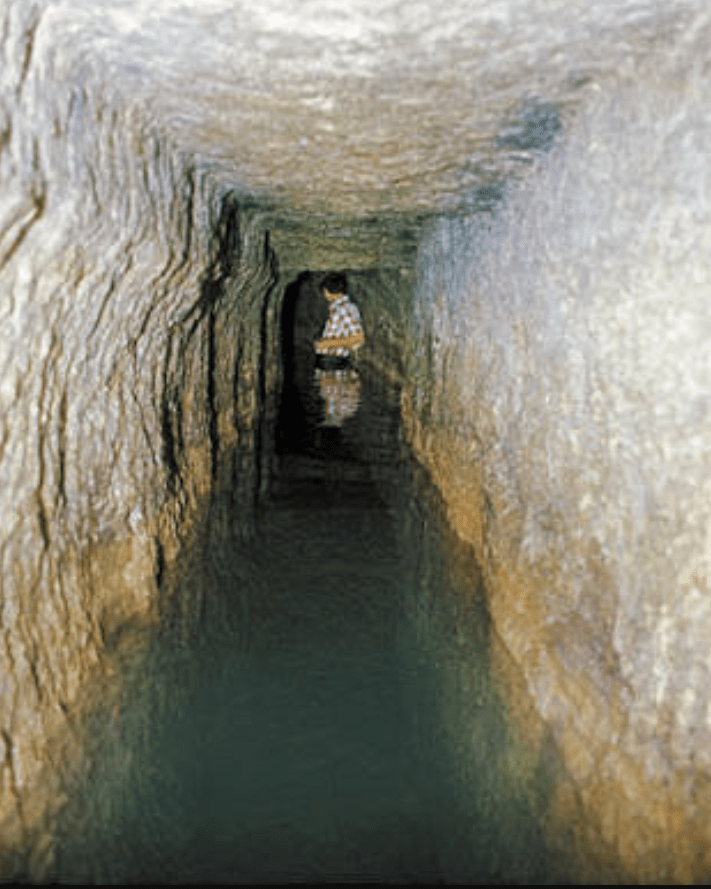
Pools of water in and around the city. Throughout most of its history, the Holy City has depended largely upon private cisterns which its inhabitants have maintained to catch rain water. The city itself has had through the years no living fountain or spring within its walls. The spring of Gihon now called “The Virgin’s Fountain,” is located in the Valley of Kidron just outside the old city of the Jebusites or the City of David. King Hezekiah constructed a conduit or tunnel from this spring through the rock underneath the city to a place in the Tyropean Valley, where a reservoir was constructed to receive the water (2Ki 20:20). This reservoir has gone by the name of The Pool of Siloam. This water project was undertaken mainly to give the city a water supply in time of siege. The pool has been an important source of water for Jerusalem through the centuries. Here the Arab women of the old city often come to wash their clothes, or their vegetables, or their children. And farther in the pool or mouth of the tunnel, they get their pitchers filled with the family supply of water. And at this pool also an occasional shepherd will come to wash his sheep” Other pools located in and around the city that have supplied water include the Pool of Hezekiah, located inside the walls and fed with water through an underground conduit from the Pool of Mamilla. This latter pool lies 2000 feet to the west of Jaffa Gate outside the walls, and is in the Valley of Hinnom and receives drainage water coming down that valley. The Pool of the Sultan lies just outside the Southwestern comer of the wall in this same valley. The Pool of Bethesda is to be found just inside the Eastern wall, between St. Stephen’s Gate and the Northern wall of the temple enclosure. It was here that many sick ones bathed in Christ’s time, believing its waters had healing properties. It was here Christ healed the impotent man (John 5).
Solomon’s Pools and the Temple Area Reservoir. Two miles south of Bethlehem there are three reservoirs of water that have for centuries been called Solomon’s Pools, because it is generally believed that he originally constructed them. Josephus indicated that it was probably Pontius Pilate who rebuilt and enlarged them. Water from these pools was brought to Jerusalem by means of a rock aqueduct and emptied into a great reservoir located under the temple area. Even today water from this source is brought up to the surface at a point between the Dome of the Rock and the Mosque el-Aksa, by an animal skin bucket attached to a rope and running over a wheel. Water carriers using goatskin “bottles” come here to get their water and carry it to many parts of the old city of Jerusalem.
During six months of the year, when there is no rain, water becomes scarce in many parts of Palestine, especially during the latter part of that season when one after another cistern has dried up, and permanent wells and ever-flowing sources must be depended upon for water. In such times the water carrier will go to a well, or reservoir, and then peddle his supply of water to those who need it. He may go down the streets of the city, or he may go into the marketplace. He will call out: “Ho, ye thirsty ones, come ye and drink.” There have been times when a philanthropic person has paid the water carrier for all his supply of water and thus let him offer if free of charge to those who need it. Then he will call forth: “Ho, ye thirsty ones, come and drink today for nothing, for nothing!”Such words remind us of the prophetic invitation of Isaiah: “Ho, every one that thirsteth, come ye to the waters, and he that hath no money; come ye, buy. . . without money and without price” (Isa 55:1).
Source: Title: Manners and Customs of Bible Lands
Author: Wight, Fred H
-
30 maneiras praticas para homens de Deus pastorearem suas familias e filhos

EM RELAÇÃO À SUA FAMÍLIA …
1. Tomar a iniciativa e estabelecer um plano para o culto familiar. Em seguida, siga o plano! (Don Whitney incentiva “seja breve, regular e tenha flexibilidade” na adoração familiar).
2. Venha para casa no momento exato em que você disse que estaria em casa; E prepare o seu coração para servir a sua família, não ser servido.
3. Assuma a responsabilidade pela educação e disciplina de seus filhos – não deixe tudo para sua esposa.
4. Compartilhe com sua esposa e filhos algumas das coisas boas que estão acontecendo em sua vida e, em seguida, agradeca por ajudar a tornar isso possível.
5. Aproveite as suas férias ao maximo. Tire ferias apenas a sua esposa e filhos pelo menos uma vez por ano.
6. Tire duas semanas de ferias.
7. Aproveite os seus dias de folga ao maximo com a sua familia. Nao trabalhe na sua folga.
8. Escolha ser bom pai / maridos, mesmo estando bastente ocupado no trabalho. EM RELAÇÃO À SUA ESPOSA …
9. Levante-se cedo e ter o seu tempo de com Deus, para que você possa levar as crianças na parte da manhã, enquanto sua esposa tem o tempo dela com Deus.
10. Dê-lhe flores e um cartão escrito à mão quando ela menos espera.
11. Programe regularmente uma noite romantica e tome a iniciativa na logística, isto é organize a baba, faça reservas, e tenha um plano.
12. Certifique-se de conhecer o restaurante favorito da sua esposa, refeição, flores, sabor de sorvete e filme.
13. Programe um horário semanal onde você tome conta das criancas e sua esposa possa sair para fazer o que ela quiser. Quando puder, dê-lhe um dia inteiro de folga das crianças.
14. Decida junto com sua esposa sua agenda e honre-a.
15. Os domingos, saia para a igreja alguns minutos mais cedo para parar e comprar um sorvete para a sua esposa.
16. Pergunte à sua esposa quando leva-la a um jantar romântico, áreas em sua vida que ela quer ver você melhore.
17. Leve sua esposa para um congresso para que ela seja fortalecida no Senhor.
18. Planeje retiros pessoais regulares fora da cidade apenas para você e para ela. Planeje um tempo em seu retiro para anotar todas as evidências de graça que você vê na vida um do outro e depois compartilhe um com o outro. Mais tarde, passe o tempo anotando maneiras que você quer crescer como marido e pai durante o próximo ano (ela fazendo o mesmo por si mesma) e depois compartilhe um com o outro.
19. Respeitar e buscar sua opinião sobre assuntos espirituais.
20. Faca para longas caminhadas. EM RELAÇÃO A SEUS FILHOS …
21. Tenha tempo semanalmente com cada um de seus filhos para brincar, ler as escrituras ou orar.
22. Leva as suas filhas para sair.
23. Deixe o trabalho no trabalho para que o pai possa ser pai em casa.
24. Leve uma criança com você quando puder.
25. Faça perguntas a seus filhos que te permita pastorear seus corações, como estas:
Em suas próprias palavras, o que é o evangelho?
Existe um pecado específico que você está ciente de que você precisa de minha ajuda para derrotar?
Você está mais ciente do meu encorajamento ou da minha crítica?
Do que é o papai gosta mais?
Eu sou da mesma forma na igreja e quando estou em casa?
Você está ciente do meu amor por você?
Existe alguma maneira que eu tenho pecado contra você que eu não tenha te pedido desculpas?
Você quer me dizer alguma coisa?
Como eu sou como um pai?
Como os sermões de domingo o impactam?
O meu relacionamento com a mãe faz você ficar animado para se casar?
Com crianças mais velhas, pergunte sobre o relacionamento delas com seus amigos e certifique-se de Deus e seu evangelho são o centro desses relacionamentos. Procure cada oportunidade para elogiar sua mãe e aumentar sua apreciação e amor por ela.
26. Interesse-se pelo que seus filhos gostam de fazer.
27. Leia para eles. Compre livros que eles vão gostar. Leve-os para a biblioteca.
28. Cante com eles.
29. Orem por eles e com eles.
30. Tenha cuidado para não colocá-los no centro das atenções usando exemplos sobre eles o tempo todo em reuniões familiares e assim por diante. -
Ninguém se incomoda com os 16 países muçulmanos que baniram Israel?

Ninguém parece incomodado com 16 países muçulmanos onde os israelenses estão proibidos de entrarem.Os países que não aceitam passaportes Israelenses são:
Argélia
Bangladesh
Brunei
Irã
Iraque (exceto o Curdistão iraquiano)
Kuwait
Líbano (país vizinho, disputa territorial – fazendas de Shebaa)
Líbia
Malásia (requer autorização do Ministério da Administração Interna).
Omã
Paquistão (autorização necessária do Ministério da Segurança Interna).
Arábia Saudita
Sudão
Síria (país vizinho, disputa de território – Golan Heights)
Emirados Árabes Unidos (aceito apenas para trânsito, não admitido para admissão)
Iémen
Além disso, o Irão, o Kuwait, o Líbano, a Líbia, a Arábia Saudita, o Sudão, a Síria eo Iémen não permitem a entrada de pessoas com provas de viagem a Israel ou cujo passaporte tenha um visto israelita utilizado ou não utilizado. Consequentemente, muitos países permitem a emissão de um segundo passaporte aos cidadãos que pretendam contornar esta restrição.
Fonte: Rick Joyner
-
ORANDO PELOS INCENDIOS NA AFRICA DO SUL
Oração pelos incêndios violentos na Africa do Sul

Por favor, orem pelos bombeiros e outros que estão trabalhando para conter os incêndios. Ore por sua proteção e proteção pelo resto de nossa nação.
Oramos e proclamamos:
1. Pai Deus, que o teu nome seja santificado, venha o teu reino, seja feita a tua vontade na África do Sul. Inclinamo-nos diante de ti. Nós nos humilhamos para assumir a responsabilidade pelos incêndios em nosso país. Somos culpados, Senhor, de permitir que as emoções e as acusações fester sem controle em nossa nação. Por favor, perdoe-nos. Reconhecemos que a situação está fora de controle e pedimos sua ajuda para confrontar e conter aqueles que são responsáveis por iniciar os incêndios. Pedimos que os culpados sejam presos e que a justiça seja restabelecida. Pedimos ajuda para aqueles que perderam seus entes queridos, casas perdidas e propriedades, cujas terras e terras foram destruídas, sua vivacidade em chamas, para aqueles que podem perder seus empregos e para o alívio para o sofrimento de seres humanos e animais. Tenha misericórdia de nós!2. Pai, viemos em nome de Jesus para cancelar todas e quaisquer maldições que são faladas sobre nosso país, nosso povo e nossos recursos. Nós cancelamos cada palavra negativa, cada ritual, cada incantation ou decreto secreto. Nós pedimos que você cancele todos os contratos que foram feitos com qualquer força espiritual, principado ou poder, pelo sangue de Jesus Cristo e Sua vitória sobre satanás e pecado.
3. Em nome de Jesus Cristo e de acordo com Mateus 12:29 ligamos este espírito que está em ação no nosso concelho, exigindo vingança e retribuição, causando ressentimento e infligindo dor e sofrimento, opondo-se aos planos e propósitos que Você tem para o nosso nação. Nós o ligamos a trabalhar através de nossa juventude e famílias, através de nossos sistemas educacionais, políticos, judiciais e econômicos, através de nossa mídia e entretenimento e através de qualquer religião organizada ou desorganizada em nosso país. Em nome de Jesus Cristo, nós repreendemos este espírito, desarmamo-lo, removemos a sua espada e flechas de fogo de acordo com Col 2:15, pois Jesus já a desarmou. Nós o mandamos para liberar seu domínio sobre a África do Sul como uma nação, com todos os seus cidadãos e estrangeiros, para que as pessoas tenham a oportunidade de decidir e escolher entre o certo eo errado, receber a salvação dos pecados e ser treinados na justiça.
4. Invocamos o nome de Jesus Cristo: seja nosso refúgio e nossa salvação. Você é nosso Rei, nosso Juiz, nosso Advogado, nosso Salvador e nosso Senhor. Nós submetemos nossa nação a Você e Você somente. Por favor, envie-nos chuva para restaurar a nossa terra, e quebrar o porão da seca que ainda está demorando.
5. Pai em seu nome nós oramos uma bênção sobre a África do Sul e seu povo. Que o Senhor os abençoe e os guarde. Que o Senhor faça resplandecer o seu rosto sobre ti. Ele levante o seu semblante sobre vós e vos dê a paz.
Jeremias 23:29 “Não é a Minha palavra como um fogo?”, Diz o Senhor, e como um martelo que quebra a rocha em pedaços?
Hebreus 11: 33-34 que pela fé subjugaram reinos, praticaram a justiça, obtiveram promessas, pararam as bocas dos leões, extinguiram a violência do fogo, escaparam do fio da espada, da fraqueza se fez forte, tornaram-se valentes na batalha, Para fugir dos exércitos dos alienígenas.
Fonte: Jericho Walls
-
As 10 vezes em que desastres terríveis atingiram os Estados Unidos após os mesmos se posicionarem contra Israel

1 – A primeira vez que o governo dos EUA recusou vetar uma resolução anti-Israel no Conselho de Segurança da ONU foi em 1979. Em 22 de março de 1979, o governo Carter optou por não vetar a Resolução 446 da ONU.
Quatro dias depois, em 26 de março, o Tratado de Paz Egito-Israel foi assinado em Washington. Como resultado desse tratado, Israel desistiu de uma enorme quantidade de território. Dois dias mais tarde, em 28 de março, o pior desastre da usina nuclear na história dos EUA fez manchetes em todo o mundo. O seguinte vem da Wikipedia …
O acidente de Three Mile Island foi um derretimento nuclear parcial que ocorreu em 28 de março de 1979, no reator número 2 da Estação de Geração Nuclear de Three Mile Island (TMI-2) em Dauphin County, Pennsylvania, Estados Unidos. Foi o acidente mais significativo na história da usina nuclear dos EUA. O incidente foi classificado como cinco na escala internacional do evento nuclear de sete pontos: Acidente com conseqüências mais largas.
2- Em 30 de outubro de 1991, o presidente George H. W. Bush abriu a Conferência de Paz de Madri, que reuniu israelenses e palestinos para negociar pela primeira vez.
Em seu discurso de abertura, Bush disse a Israel que “o compromisso territorial é essencial para a paz”. No exato mesmo tempo, “a Tempestade Perfeita” estava se formando no Atlântico Norte.
Esta tempestade lendária viajou 1000 milhas na direção errada e enviou ondas de 35 pés batendo diretamente na casa do presidente Bush em Kennebunkport, Maine.
3- Em 23 de agosto de 1992, a Conferência de Paz de Madrid mudou-se para Washington D.C., e no dia seguinte o furacão Andrew fez terra na Flórida causando 30 bilhões de dólares em dano. Foi o pior desastre natural até aquele momento na história dos EUA.
4- Em 16 de janeiro de 1994, o Presidente Clinton se reuniu com o Presidente Assad da Síria para discutir a possibilidade de Israel desistir das Colinas de Golã. Dentro de 24 horas, o terremoto de Northridge atingiu o sul da Califórnia. Foi a segunda pior catástrofe natural até aquele momento nos EUA.
5- Em 21 de janeiro de 1998, o primeiro-ministro israelense Benjamin Netanyahu chegou à Casa Branca, mas recebeu uma recepção muito fria. De fato, o presidente Clinton e a secretária de Estado Madeleine Albright realmente se recusaram a almoçar com ele. Exatamente naquele mesmo dia o escândalo de Monica Lewinsky quebrou, fazendo a presidência de Clinton cair e nunca se recuperar.6- Em 28 de setembro de 1998 a secretária de Estado Madeleine Albright estava trabalhando na finalização de um plano que teria feito Israel ter desistido de aproximadamente 13% da Judéia e Samaria. Naquele preciso dia, o furacão George bateu na Costa do Golfo com rajadas de vento de até 175 milhas por hora.
7- Em 3 de maio de 1999, o líder palestino Yasser Arafat deveria realizar uma conferência de imprensa para declarar a criação de um estado palestino com Jerusalém como capital.
Nesse preciso dia, os tornados mais poderosos já registrados nos EUA rasgaram através de Oklahoma e Kansas. Em um ponto um dos furacões teve uma velocidade gravada do vento de 316 milhas por hora.
8- Em 30 de abril de 2003, o “Road Map to Peace”, desenvolvido pelo chamado “Quarteto”, foi apresentado ao primeiro-ministro israelense Ariel Sharon pelo embaixador dos EUA Daniel Kurtzer.
Nos sete dias seguintes, os EUA foram atingidos por um assombroso 412 tornados. Foi o maior conjunto de furacões registrado até então.
9- Em 2005, o presidente George W. Bush (filho de George H. W. Bush) convenceu Israel de que era necessário remover todos os colonos judeus de Gaza e entregá-los inteiramente aos palestinos.
Segundo o New York Times, o último dos colonos foi evacuado em 23 de agosto de 2005. Nesse preciso dia, uma tempestade que receberia o nome de “Katrina” começou a se formar sobre as Bahamas.
A cidade de Nova Orleans ainda não se recuperou completamente dos danos causados pela tempestade, e classificou-se como o desastre natural mais caro em toda a história dos EUA até aquela época.
10- Em 19 de maio de 2011 Barack Obama disse a Israel que deve haver um retorno às fronteiras pré-1967. Três dias depois, no dia 22 de maio, um tornado EF-5 de vórtice múltiplo de 800 metros de largura rasgou Joplin, Missouri. Segundo a Wikipedia, foi “o tornado mais caro na história dos EUA”.
Neste exato momento os Estados Unidos se posicionaram contra Israel de novo. É como a Bíblia diz: Abençoarei os que te abençoarem e amaldiçoarei os que te amaldiçoarem.Fonte: http://www.prophecynewswatch.com/article.cfm?recent_news_id=906
-
Cortando o cordão umbilical: Os problemas de sua família não são seus
 A família é nosso primeiro meio social, é onde construímos e nutrimos nossas primeiras relações e também onde iniciamos nosso desenvolvimento do Eu. Os vínculos costumam se desenvolver de forma intensa, por vezes nos tornando cuidadores e defensores de nossa família.
Acontece que muitas vezes esses laços se constituem de forma a não estabelecer limites a essas relações, tornando-as disfuncionais.
“Uma família disfuncional é aquela que responde as exigências internas e externas de mudança, padronizando seu funcionamento. Relaciona-se sempre da mesma maneira, de forma rígida não permitindo possibilidades de alternativa. Podemos dizer que ocorre um bloqueio no processo de comunicação familiar.” (Revista Boa Saúde)
Em muitos casos um familiar responsabiliza-se por resoluções de problemas e conflitos que não deveriam ser de sua preocupação.
Veja alguns que estão recentes em minha mente.
1. Filho que assumiu a posição de ‘chefe da casa’ após separação conturbada dos pais. Além de cuidar de si e de suas questões ‘adolescentes’, o filho sente-se na obrigação de cuidar da mãe e educar o irmão mais novo;
2. Filho de pais que vivem em meio a separações e ameaças de divórcio. O filho vira mecanismo de reconciliação/separação do casal, sendo peça fundamental para que um ciclo briga-separa-volta se mantenha a todo vapor;
3. Filha mais velha e adulta sente-se responsável por dar suporte a sua mãe (que criou a filha parte da infância sozinha), seja financeira ou emocionalmente. Tornando-se refém dos problemas da mãe, que são normalmente resolvidos pela filha ou não resolvidos para se manter esse tipo de relação;
4. Irmã que sente-se responsável por cuidar dos irmãos e já na fase adulta continua a resolver os conflitos e arcar com despesas financeiras dos irmãos;
5. Mãe que, apesar dos filhos já serem adultos e estarem casados, sente-se responsável por conduzir a vida dos filhos e assumir despesas e responsabilidades deles;
Ao expor os exemplos acima não me refiro a situações isoladas ou casos específicos. Me refiro a ciclos repetitivos que adoecem as relações e sobrepõem responsabilidades individuais, transferindo-as ao outro.
Em casos como os já citados todos têm prejuízos em suas vidas. Uma pessoa sobrecarrega-se, outra não amadurece, mantendo uma relação imatura, sem espaço para desenvolvimento com intuito de melhora.
Para alguns pode ser visto como prova de amor, mas não. Amor baseia-se em troca, respeito mútuo e limites. Estipular limites sim é uma prova de amor, amor ao outro e a si mesmo.
Normalmente quem se encontra neste tipo de situação enfrenta dificuldade em romper com o ciclo vicioso que retroalimenta, no entanto, é extremamente necessário que o indivíduo entenda o papel que vêm exercendo e o que o motiva a manter-se nessa posição (normalmente há algum ganho ou enrijecimento por um ganho do passado).
A consciência do funcionamento familiar já é de grande valia já que muitas pessoas vivenciam essas situações sem nem ao menos perceber que algo está disfuncional, mesmo em casos em que haja sofrimento manifesto.
Em alguns casos uma conversa com alguém fora da família, como um amigo, poderá alertar e alterar o status da família. Outras vezes o processo terapêutico se faz necessário.
O processo terapêutico individual por si só já provocará desdobramentos no lidar deste individuo com seus familiares.
Agora se o processo terapêutico for familiar, ou seja, todos os membros da família participarem, o processo poderá ser muito mais rápido, pois os conflitos referentes ao envolvimento e mecanismo familiar serão resolvidos por todos juntos, além de propiciar que todos entendam seu papel no funcionamento da família, possibilitando, assim, a escolha de permanecer retroalimentando os laços disfuncionais ou reescrevendo novas formas de organização e arranjo familiar.
(Imagem: Brooke Shaden )
(Autora: Thais Lopes Trajano – Psicóloga)
(Fonte: livreareflexao.blogspot.com.br -
Conheça a História de Lizzy
Lizzy é uma de muitas crianças (a cidade que eu vivo têm o maior índice do mundo desta doença) que têm uma doença chamada síndrome de álcool, que afeta crianças ainda no ventre.

Esta doença é causada porque a mãe bebe muito durante a gravidez. A criança então não desenvolve o cérebro e se torna incapaz de muitas coisas pro resto da vida. A mãe de Lizzy ainda bebe muito e ela é criada por sua avó, uma vez que o pai da Lizzy desapareceu.
Lizzy vive em uma comunidade onde a pobreza é muito grande (muitos moram em pequenas cabanas feitas de papelão e qq outra coisa que eles encontram. Sem banheiro, sem água e esgoto e no chão de terra. Nestas condições muitas crianças não sobrevivem depois de 1 ano de idade mas Lizzy é uma guerreira e contra todas as possibilidades ela sobrevive.
O nosso trabalho é dar comida de segunda a sábado, ensinar a palavra de Deus e trabalhar com um projeto de reciclagem (onde as crianças trazem material reciclável e trocam por comida, material escolar e higiene pessoal e roupas 2 vezes por mês) e um trabalho de discipulado e inclusão através do nosso multi purpose sport project a céus abertos.
Com muito amor e carinho, nós temos tocado a vida de muitas crianças (400) e esperamos poder fazer muito mais no futuro.
Muito obrigado, pois através da sua parceria vc têm tocado a vida da Lizzy e de muitos, muitos outros. Vc é parte disso tudo!
E quanto a Lizzy, bem eu ainda penso que fazemos pouco. Mas ela é super meiga e muita linda não acham?
-
Quanto estou disposto a pagar?

Derrepente eu me vi em frente a um muro gigante. Ao meu redor estavam milhares de jovens, quebrados, machucados, destruídos espiritual e emocionalmente.
Então eu ouvi uma voz: Quanto vale?
Uma menina estava em pé na frente de muitos homens. “Quanto Vale este pedaço de carne?
Então os homens começaram a gritar em júbilo e a dar números. “Dez… vinte… cinquenta… cem.
Eu entrei no leilão. Eu tenho que salvar esta menina. O valor se tornára muito alto e eu comecei a duvidar. Será que eu posso pagar? Qual o preço eu pagarei?
Eu acordo do sonho. Eu estou sozinho de novo mas o sonho é muito vívido e eu ainda posso ver os rostos na minha cabeça:
Sara sendo vendida para se prostituir. Mike com um revólver contra a própria boca. Kária coberta de cortes e machucados. João entrando pra vida do crime. Laura sozinha e desperada. Estêvão com uma seringa de heroínas na sua veia.
Quanto estou disposto a pagar?
Uma voz interrompe o silêncio. O leilão está começando de novo. As ofertas estão autorizadas. O leilão continua dia e noite até o final dos tempos. A grande parte dos compradores desejam apenas usar e abusar da mercadoria. Satanás é quem os guia.
Então eu me encontro no leilão de novo. Eu irei apenas assistir ou eu irei ofertar também?
O preço de uma únicá alma é enorme. A moeda de compra é a oração. O preço a ser pago é gigante mas a recompensa excede em glória. Uma vida por uma vida.
Quanto estou disposto a pagar?
Isto foi escrito tarde da noite no muro do primeiro Boiler Room na cidade de Reading na Inglaterra.
-
A terra de oportunidades, fome e orfandade.

Isto mesmo, oportunidades, muitas oportunidades. Principalmente por causa da fome, principalmente por causa da orfandade, principalmente por causa da necessidade.
Jesus disse: isto se dá para que a glória de Deus se manifeste. Eu tinha acabado de jogar fora uma linguiça na lata de lixo do lado de fora da minha casa quando eu ouvi um barulho. Quando ao abrir a porta, pra minha surpresa, me deparei com um homem bem vestido (não era um mendigo) comendo a linguiça que eu tinha acabado de jogar fora. Sim eu sou missionário em um lugar em que há muita fome.
Jesus disse: isto se dá para que a glória de Deus se manifeste. Estamos, como igreja, um acampamento para crianças carentes do projeto em que temos aqui e pra isto nós temos que pedir autorização aos responsáveis. Das 10 crianças que pedimos autorização, apenas 1 tem mãe e nenhuma tem pai. Sim eu sou missionário em um lugar em que há um forte espírito de orfandade.
Jesus disse: isto se dá para que a glória de Deus se manifeste. Fome, orfandade, o maior índice do mundo de Aids (minha esposa trabalha com crianças afetadas), síndrome de alcoolismo nas crianças (o maior índice do mundo). Jesus disse: isto se dá para que a glória de Deus se manifeste. Sim eu sou missionário em um lugar em que tudo isto está acontecendo e sim, eu tenho visto a glória de Deus se manifestar.
Trabalho com um projeto com 400 crianças, dando roupa, comida, suporte emocional e palavra de Deus. Temos duas (foster homes) com 10 crianças cada. Três cozinhas que alimentam crianças diariamente. Um projeto de ensino bíblico em 10 prisões e 300 alunos (prisioneiros). E muito mais (vem e vê).
QUER AJUDAR?
Jesus disse: isto se dá para que a glória de Deus se manifeste. Sim eu sou missionário em um lugar em que tudo isto está acontecendo e sim, eu tenho visto a glória de Deus se manifestar. E NÃO TENHO NENHUM SUPORTE FINANCEIRO. NENHUMA IGREJA. NENHUM PASTOR. (Alguns vieram, tiraram fotos e foram embora deixando apenas a esperança de algum suporte).
Vivo na cidade de Worcester, na África do Sul com minha esposa e filha de 10 meses.
Se quiser conhecer mais me contacte :
Email: yuryalecrim@hotmail.com
What’s app: +27714420692 -
PROFECIA SOBRE O FIM POR UMA IDOSA DE 90 ANOS
Uma senhora de 90 anos de idade, da cidade de Valdres, na Noruega teve uma visão de Deus em 1968. O evangelista Emanuel Minos teve reuniões na cidade onde esta mulher residia. Ele se encontrou com ela e ela lhe relatou o que vira. Ele anotou tudo, mas achou aquilo muito estranho e guardou a profecia numa gaveta. Trinta anos depois ele decidiu que era hora de compartilhar a visão daquela mulher com outras pessoas.
Aquela senhora de Valdres era uma mulher confiável e uma cristã fervorosa com boa reputação na igreja e na comunidade local. Eis o que ela viu:
“Vi os tempos logo antes da volta de Jesus e antes de romper a terceira guerra mundial. Vi os eventos com meus olhos naturais. Vi o mundo em forma de um globo e vi todos os países da Europa. Vi a Escandinávia. Vi a Noruega. Vi certas coisas que acontecerão logo antes do retorno de Jesus e antes da última calamidade; calamidade esta que nunca a humanidade experimentou.”
Ela mencionou quatro ondas:
Antes de Jesus retornar e antes do começo da terceira guerra mundial haverá uma ‘détente’ [N.T.:termo francês que indica uma flexibilização em relações tensas, especialmente em uma situação política], como nunca houve. Haverá paz entre as superpotências do Ocidente e do Oriente e haverá muitos anos de paz. (Lembre-se que ela viu isto em 1968 quando a guerra fria estava no auge – E. Minos). Neste tempo de paz haverá o desarmamento de muitas nações, e também na Noruega que não estará preparada quando a guerra chegar. A terceira guerra mundial começará de uma maneira imprevisível, de uma forma que ninguém supõe e a partir de uma região de onde não se espera que uma guerra pudesse surgir.
Os cristãos ficarão mornos como nunca antes e se desviarão do verdadeiro cristianismo vivo. Os crentes não quererão mais ouvir pregações penetrantes. Não vão querer ouvir mais, como antigamente, sobre o pecado e a graça, a lei e o evangelho, arrependimento e restauração. Uma mensagem substituirá todos esses temas: Prosperidade e felicidade.
O mais importante será ter sucesso, ser alguém; possuir bens materiais, coisas essas que Deus nunca prometeu dessa maneira. As igrejas e as casas de orações ficarão cada vez mais vazias. Em vez de pregações como as que se faziam antigamente com temas como, tomar a cruz e seguir a Jesus, a diversão, a arte e a cultura invadirão as igrejas e encherão os templos onde deveriam haver pessoas para ouvir do arrependimento e de avivamento. Isto aumentará de forma marcante antes da volta de Jesus.Haverá uma desintegração moral como a velha Noruega jamais viu. As pessoas viverão juntas sem precisar se casar (não creio que o conceito de se viver junto sem se casar existia em 1968. E. Minos). As pessoas serão muito impuras antes de se casarem e a infidelidade matrimonial será algo natural, comum, com todas as suas justificativas. Este tipo de coisa invadirá a igreja e o justificaremos – até mesmo pecados contra a natureza humana. Logo antes da volta de Jesus os programas de TV serão terríveis, como nunca antes visto. (A TV recém chegara na Noruega em 1968. E. Minos).
Os programas de TV serão cheios de violência ensinando as pessoas a matar e a destruir uns aos outros, e as ruas ficarão inseguras. As pessoas imitarão as cenas vistas na TV. Não haverá apenas uma estação de TV, mas haverá muitas estações. (Ela não conhecia a palavra “canal”, como nós conhecemos hoje. Por isso falava em “estações de TV”. E. Minos). As estações serão muitas como são hoje as emissoras de rádio e serão repletas de violência. As pessoas usarão essas estações de TV para se divertirem.Veremos terríveis cenas de assassinatos e de pessoas destruindo umas as outras, e isso se espalhará por toda a sociedade. Cenas de sexo explícito serão mostradas na TV; coisas íntimas de um relacionamento conjugal entre duas pessoas. (Naquela ocasião protestei e disse que havia um parágrafo em nossa constituição que proibia este tipo de coisa. E. Minos). E, então, a idosa me disse: “Acontecerá e você o verá. Tudo o que temos de bom desaparecerá, e toda a indecência sexual aparecerá diante de nossos olhos”.
Gente de países pobres invadirá a Europa (Em 1968 não havia este tipo de imigração em massa de outros países. E. Minos). Virão para a Escandinávia e para a Noruega. Serão tantos que as pessoas se sentirão incomodadas com a presença deles e os tratarão com dureza. Receberão o mesmo tratamento dado aos judeus antes da segunda grande guerra. Então, se completará a medida de nossos pecados (protestei quanto ao tema da imigração, porque não entendi este assunto naquela época. E. Minos).
A mulher chorava e dizia: “Eu não verei essas coisas; você, sim! Então, Jesus voltará de repente e começará a terceira guerra mundial. Será uma guerra curta” (ela viu a guerra em sua visão).“As guerras que eu presenciei em vida são brincadeiras de crianças comparada a que virá e se encerrará com uma bomba nuclear. O resultado é que ninguém conseguirá respirar. A fumaça das bombas atômica cobrirá vários continentes, como América, Japão, Austrália e as nações ricas. A água ficará contaminada. Não poderemos mais lavrar o solo. Consequentemente restará apenas um remanescente. Os que restarem dos países ricos tentarão fugir para as nações pobres, mas estas os tratarão com a mesma dureza com que foram tratados pelos ricos.”
“Fico feliz por não viver para ver essas coisas, mas quando a hora chegar, você deve criar coragem e contar esta visão. Eu a recebi de Deus e nada do que vi vai de encontro ou entra em choque com o que a Bíblia diz. Aquele cujos pecados foram perdoados e tem Jesus como Salvador e Senhor está seguro.”
Nota do editor da fonte original:
O relato acima foi originalmente transmitido de Israel para amigos nos EUA. Foi enviado por uma obreira cristã norueguêsa chamada Ragna Von Porat. Ragna comenta numa nota de rodapé que foi traduzida do dinamarquês. Ela diz ainda que Emanuel Minos, o evangelista mencionado no relato, era o vizinho de uma amiga dela em Oslo. “Ouvi suas mensagens quando eu era jovem. Meus pais o conheciam”, ela diz.
Por temor em passar adiante falsas profecias, diligentemente pesquisei o tema aqui apresentado. Demorei para publicar até que a permissão me foi dada de Ragna (Von Porat) em Israel. Em meu contato com ela, assegurou-me que os relatos são verdadeiros e confiáveis. De fato, ela relatou que o primeiro relato foi publicado num periódico cristão norueguês.
Em minhas pesquisas descobri que o primeiro relato foi também publicado numa revista cristã da Alemanha. O site do Dr. Emanuel Minos está atualizado e pode ser acessado para que se confira. Ainda que o idioma do site seja o norueguês, a mesma história dessa mulher está ali em inglês. Ragna se dedicou em buscar a veracidade dos fatos e declarou: “Não faço objeção de que você publique. Tem que ser agora ou nunca.
-
“O Paradoxo da Igualdade”
Assista o vídeo que de uma forma científica e simples desqualifica a “teoria” dos gêneros.
-
AS SEIS RESOLUÇÕES DE WILLIAM BOOTH
No dia 6 de Dezembro de 1849, com 20 anos de idade, William Booth, o co-fundador do Exército da Salvação, escreveu 6 resoluções que ele manteve através de toda a sua vida. Depois de sua morte, o documento com as resoluções foi encontrado em meio aos seus pertences. Estas resoluções são a prova de como Booth ainda em sua juventude se consagrou a uma vida santa na prática todos os dias.
1- Que eu me levantarei todas as manhãs cedo o suficiente para me arrumar e para ter alguns minutos, pelo menos 5 minutos, em oração.
2- Que eu evitarei ao máximo que eu puder, as conversas vãs das quais ultimamente eu tenho me envolvido.
3- Que eu me portarei diante do mundo e dos meus empregados de uma maneira humilde, paciente e zeloso servo de Jesus Cristo. Eu falarei a todos com seriedade da importância de que eles pensem na salvação de suas almas.
4- Que eu irei ler pelo menos 4 capítulos da Bíblia todos os dias.
5- Que eu me esforçarei para estar perto do Senhor e para buscar santidade de coração e confiar plenamente em Deus.
6- Que eu irei ler estas resoluções todos os dias ou pelo menos 2 vezes por semana.William Booth – Co-fundador do Exército da Salvação
-
COMO AJUDAR

Banco do Brasil
Agência: 2316-7 Conta Poupança: 16359-7 Variação 51
Contatos: Telephone: +27714420692 Email: yuryalecrim@hotmail.com
-
Fotos do nosso trabalho pastoral, missional e um pouco da nossa família!
Eu 2 anos atrás na festa de final de ano na comunidade mais pobre daqui!

Eu 2 anos atrás na festa de final de ano na comunidade mais pobre daqui!

Assim que cheguei aqui na África do Sul em 2012

Comunidade brasileira na Jocum África do Sul quando cheguei aqui 4 anos atrás. 2012

Eu e meu amor curtindo a beleza natural do país!

Eu 2 anos atrás na festa de final de ano na comunidade mais pobre daqui!

1 ano de trabalho. Lindo olhar!

Meu amor grávida da nossa filhinha!

Acredite vc ou não eu estava dirigindo e me deparei com este elefante!

Bebê fazendo pose. Dormir ou não dormir!

Eu 2 anos atrás na festa de final de ano na comunidade mais pobre daqui!

Gatão!

Barbudo e sonolento cuidando de Liora

Apresentando um seminário pra casais
Minha princesa nasceu!

Cabeludo!

Barbudo!

Que nem pinto no lixo!

Que nem pinto no lixo 2

Super barbudo

Felicidade em pessoa!

Lorenzo, meu filho adotado.

E o trabalho continua

Banho de piscina

Dançando com o Senhor é com as crianças
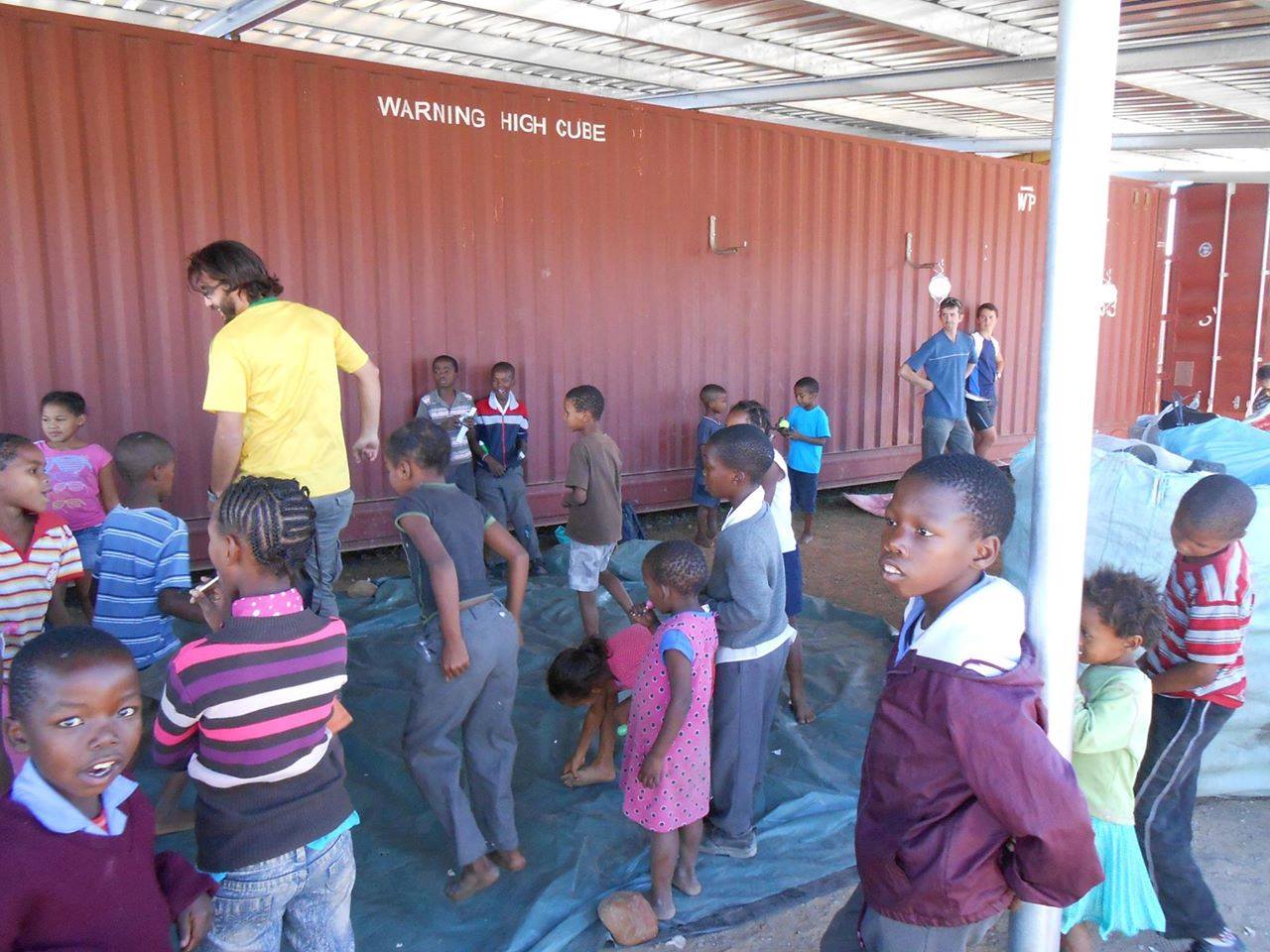
Um manancial no deserto

Arriba! Visita ao Brasil 2015

Bagunça

Ahhhh gostosa!

Essa foto de um menino com um saco de lixo nas costas com uma cruz na cabeça descreve muitas coisas!

Trabalho nas comunidades

Trabalho nas comunidades

Crianças
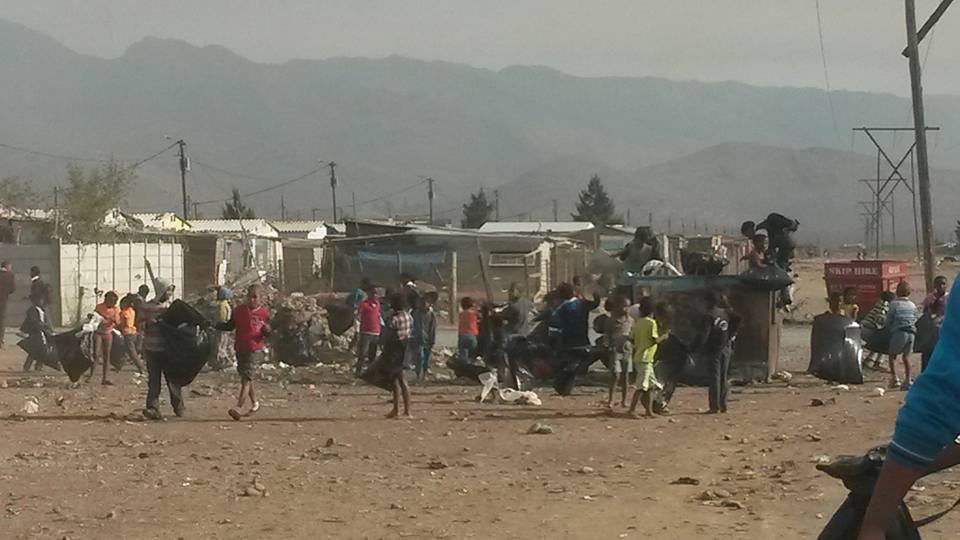
Mengão do meu coração!

Minha bbzinha

Eu sou uma estrela!

Papai orgulhoso num fds com os jovens que apresentamos.

Aquário

Linda foto do projeto aqui. As crianças mais velhas tomam conta das menores.

Mais bagunça

Eueueudu

Lindaaaaa!

Feliz ano novo!

Nos perdemos por 3 horas nas montanhas. Resolvemos tirar uma foto. Isak e Dewald. Família que Deus me deu.

Churras!!!

Paisagem!

Paisagem!

Paisagem!

Chupando limão.

Grupo de líderes que pastoreamos

Índio fazer fumaça!!!
Barba Negra!

Pinto no lixo 3

Alegria alegria!

Paisagem

Ruivinha careca!!!!

Noite de adoração profética que dirigimos mensalmente!
Jocum. Festa das nações.

Prisioneiros que ensinamos a bíblia são autorizados a visitar a igreja que fazemos parte. Momento lindo!

Vida selvagem.

Comunidade Avian Park

Jocum!

Aquário

Saí no jornal. Fiquei famoso. Trabalho nas comunidades!

Lorenzo e eu!
Cozinhando para 100 crianças todos os dias em três cozinhas industriais.

-
MATARAM O PASTOR

MATARAM O PASTOR
Hoje pela manhã foi seu último culto, sorte de quem estava lá pra te ouvir pregar.
Ninguém sabia, mas essa seria a última consagração, o último “a paz do Senhor”, o último abraço no irmão.
De manhã quando levantou, quantos ternos você olhou? Por que tinha que ser o cinza? Por que não usou de outra cor? Confundiram você com a polícia. Mas, a bala foi no peito do pastor.
Quem te matou pastor? Será que foi aquele cara que você orou? Ou será que foi aquele menino que cresceu no grupo infantil, e depois se desviou? Quem foi?
Quem foi, com toda certeza lamentou, pois matou o pastor. Cara do bem, profeta da paz, homem do amor.
Que Deus perdoe quem aquele gatilho apertou, pois sem saber matou um anjo do Senhor.
Até breve, pastor Vagner Honório Lopes
Pastor da AD Ministério de Todos os Santos no Jacarezinho. Assassinado hoje pela manhã, confundido com um policial por causa do terno cinza
Otoni de Paula Jr
Cidadão Carioca -
Pastor da Nigéria ora e Bebê ressuscita!
O pastor pergunta: Quando esta criança parou de respirar?
O pai responde: Na noite passada.
O pastor então ora: Senhor, traga esta criança de volta. Dê vida a esta criança. O pastor então diz: Senhor, nós não aceitamos isto. Nós repreendemos o espírito de morte. Que está criança viva. Assista o resto!
-
MINHA VIDA COMO UMA VÍTIMA DO TRÁFICO SEXUAL

Após perder o emprego, a indonésia Shandra Woworuntu decidiu emigrar aos Estados Unidos para recomeçar a vida trabalhando na indústria hoteleira.
No entanto, ao chegar ao país, descobriu que havia sido vítima de tráfico humano. Shandra mergulhou em um mundo de prostituição e escravidão sexual, foi obrigada a consumir drogas e foi vítima de violência.
A seguir, ela conta ainda como só conseguiu se livrar dos sequestradores meses depois, em uma reviravolta impressionante.
“Cheguei aos Estados Unidos na primeira semana de junho de 2001. Para mim, era um país de promessas e oportunidades. Assim que passei pela imigração, fiquei animada de estar em um novo país, que me lembrava os filmes e séries de TV a que assistia.
No portão de desembarque, ouvi meu nome. Quando me virei, vi um homem segurando uma placa com minha foto. A imagem havia sido tirada pela agência de recrutamento na Indonésia e, nela, eu estava vestida com uma camiseta reveladora.
Não me preocupei. O homem que estava segurando a placa sorriu para mim calorosamente. Seu nome era Johnny, e ele me conduziria ao hotel onde eu trabalharia.
O fato de o suposto hotel ser em Chicago e eu ter chegado em Nova York, a quase 1,3 mil quilômetros de distância, mostra o quão ingênua fui. Aos 24 anos, não tinha ideia do que estava para acontecer.
Depois de concluir um curso de graduação em finanças, trabalhei em um banco internacional na Indonésia como analista. Mas, em 1998, a Indonésia foi atingida pela crise financeira asiática, e, no ano seguinte, uma turbulência política tomou conta do país. Acabei perdendo meu emprego.
Para sustentar minha filha de três anos de idade, comecei a procurar trabalho no exterior. Foi quando vi um anúncio em um jornal para trabalhar em grandes hotéis nos Estados Unidos, Japão, Hong Kong e Singapura. Decidi me candidatar a uma vaga nos Estados Unidos.
A exigência era de que falasse um pouco de inglês e pagasse uma taxa de 30 milhões de rúpias indonésias (em 2001, US$ 2,7 mil). O processo seletivo foi demorado, com várias entrevistas. Entre outras coisas, eles me pediram para andar para cima e para baixo e sorrir, porque ‘o atendimento ao cliente era a chave para esse emprego’.
Passei por todas as etapas e consegui o trabalho. O plano era que minha mãe e minha irmã cuidassem da minha filha enquanto eu trabalhasse nos Estados Unidos, por seis meses, ganhando em torno de US$ 5 mil por mês. Então, voltaria para casa para cuidar da minha filha.
Cheguei ao aeroporto internacional de Nova York com quatro outras mulheres e um homem. Fomos divididos em dois grupos. Johnny pegou todos os meus documentos, incluindo meu passaporte, e me levou para seu carro com duas outras mulheres.
Sequestro
Ela foi levada a um bordel no Brooklyn no primeiro dia que chegou aos EUA e foi então que tudo começou a ficar estranho. Um motorista nos levou para o bairro do Queens e parou em um estacionamento. Johnny disse para nós três sairmos do carro e entrarmos em outro, com um motorista diferente.
Fizemos exatamente o que ele mandou, e vi pela janela o novo motorista dando dinheiro a Johnny. Pensei: ‘Alguma coisa não está cheirando bem’. Mas não me preocupei, pois achei que talvez fosse algum tipo de burocracia do hotel.
O novo motorista não nos levou muito longe. Estacionou do lado de fora de um café e, de novo, nos mandou sair do carro e entrar em outro. Novamente, houve uma troca de dinheiro. Então, o terceiro motorista nos levou para uma casa, e voltamos a trocar de carro.
O quarto motorista tinha uma arma e nos obrigou a entrar em seu carro. Fomos para uma casa no Brooklyn. Ele fechou a porta e gritou: ‘Mama-san! Menina nova!’.
Naquele momento, eu estava muito assustada, porque sabia que ‘mama-san’ significava cafetina. Mas, por causa da arma, não havia como fugir.
A porta estava aberta, e vi uma menina, talvez com 12 ou 13 anos, deitada no chão gritando enquanto um grupo de homens se revezava para chutá-la. O nariz dela estava sangrando enquanto ela gritava de dor. Um dos homens sorriu ironicamente e começou a brincar com um taco de beisebol na minha frente, como se quisesse me ameaçar.
Prostituição
Horas depois de chegar aos EUA, fui forçada a fazer sexo. Fiquei aterrorizada. No dia seguinte, Johnny apareceu e se desculpou por tudo o que tinha acontecido conosco. Disse que tudo não passou de um erro terrível.
Naquele dia, tiramos fotos para nossas cédulas de identidade. Também seríamos levadas para comprar uniformes. Em seguida, partiríamos rumo ao hotel em Chicago onde começaríamos a trabalhar.
‘Todo mundo vai ficar bem’, disse ele. ‘Não vai acontecer de novo’. Acreditei. Depois de tudo o que tinha me acontecido, ele me pareceu um anjo. Pensei: ‘O pesadelo acabou. Agora vou a Chicago começar meu trabalho’.
Um homem veio e nos levou para tirar as fotos. Dali, fomos comprar uniformes. Mas era uma loja de lingerie, cheia de calcinhas minúsculas. Nunca tinha visto algo parecido. Não havia nenhum uniforme.
É engraçado lembrar-me desse episódio. Sabia que mentiam para mim e que a minha situação era periclitante. Lembro-me de que dei uma volta pela loja, tentando ver se poderia escapar, desaparecer. Mas eu estava com medo e não conhecia ninguém nos EUA, então, permaneci relutante em abandonar as outras duas indonésias que estavam comigo.
Me virei e vi que elas estavam gostando do passeio. Então olhei para o meu cafetão e vi que ele estava armado, me observando. Ele fez um gesto para que eu não tentasse nada. Mais tarde, nosso grupo foi dividido. Fui levada embora por um carro, não para Chicago, mas para um lugar onde traficantes me obrigaram a fazer sexo.
Os traficantes eram indonésios, taiwaneses, chineses malaios e americanos. Só dois deles falavam inglês – na maior parte do tempo, usavam linguagem corporal, empurrões e palavras cruéis. Uma coisa que me deixou aterrorizada naquela noite e não saiu da minha cabeça por semanas a fio: um dos homens tinha um distintivo policial. Até hoje, não sei se ele era realmente da polícia.
Os traficantes me disseram que eu devia a eles US$ 30 mil e que pagaria US$ 100 toda vez que fizesse um programa. Nas semanas e meses seguintes, fui levada a diferentes bordéis, prédios, hotéis e cassinos na costa leste dos EUA. Raramente ficava dois dias no mesmo lugar e nunca sabia onde estava ou aonde ía.
Esses bordeis aparentavam ser casas normais do lado de fora e discotecas do lado de dentro, com luzes piscantes e música alta. Cocaína, metanfetamina e maconha ficavam espalhadas pelas mesas. Os traficantes me faziam usar drogas sob a mira de armas, e talvez isso tenha me permitido suportar tudo o que me aconteceu. Dia e noite, bebia cerveja e uísque, porque era tudo o que tinha. Não tinha ideia que você podia beber água da torneira nos EUA.
Drogas
Vinte e quatro horas por dia, nós ficávamos sentadas, completamente nuas, à espera de clientes. Se ninguém chegasse, dormíamos um pouco, mas nunca numa cama. Era nesses momentos que os traficantes aproveitavam para nos estuprar. Então, tínhamos de ficar alertas. Nada era previsível.
Apesar da vigilância, parecia que eu estava em um estado de constante dormência. Era incapaz de chorar. Sobrecarregada pela tristeza, raiva e desapontamento, obedecia às ordens e tentava sobreviver. Lembro-me daquela cena da menina sendo agredida, e vi os traficantes batendo em outras mulheres também quando elas causavam ‘problemas’ ou se recusavam a fazer sexo.
Os traficantes me apelidaram de ‘Candy’. Todas as mulheres traficadas eram asiáticas – além de nós, indonésias, havia meninas da Tailândia, China e Malásia. Havia ainda mulheres que não eram escravas sexuais. Eram prostitutas que recebiam dinheiro e ficavam livres para circular.
Na maioria das noites, um dos traficantes me levava a um cassino. Ele me vestia como se fosse uma princesa. Aquele responsável por mim usava um terno preto e sapatos brilhantes e andava comigo como se fosse meu guarda-costas, segurando uma arma nas minhas costas. Não entrávamos pelo lobby, mas pela porta para dos funcionários, e depois pegávamos o elevador de serviço.
Vigilância
Lembro-me da primeira vez que eu entrei um quarto de um hotel-cassino. Pensei que talvez poderia escapar. Mas meu traficante me esperava no corredor e me conduzia ao quarto seguinte. E ao seguinte. Quarenta e cinco minutos em cada quarto, noite após noite.
Como eu era complacente, não era agredida pelos traficantes, mas os clientes eram muito violentos às vezes. Alguns pareciam ser membros da máfia asiática, mas havia também homens brancos, negros e hispânicos. De todas as idades, de idosos a jovens universitários. Era a propriedade deles por 45 minutos e tinha de fazer o que queriam. Caso contrário, era agredida.
Era uma rotina difícil e dolorosa. Fisicamente, estava fraca. Os traficantes só me alimentavam com sopa de arroz com uns poucos pepinos, e eu estava drogada normalmente. A ameaça constante de violência e a necessidade de estar sempre em alerta também eram muito exaustivas.
Meu único pertence – além do meu ‘uniforme’ – era uma pequena bolsa com algumas coisas dentro: um dicionário, uma pequena Bíblia, algumas canetas e caixas de fósforo que pegava dos quartos de hotéis, com os nomes dos cassinos.
Também mantinha um diário, algo que fazia desde pequena. Escrevendo em uma mistura de indonésio, inglês, japonês e símbolos, tentava registrar o que fazia, aonde ía e quantas pessoas estavam comigo. Também mantinha o controle das datas. Era difícil, porque eu estava dentro de bordéis e não sabia se era dia ou noite. Minha mente só pensava em escapar, mas as oportunidades eram muito raras.
Fuga frustrada
Uma noite, estava trancada no sótão em um bordel em Connecticut. O quarto tinha uma janela que descobri estar aberta, então, fiz uma corda com os lençóis e minhas roupas e comecei a descer. Mas quando quando cheguei ao final da corda improvisada, vi que ainda estava a uma grande distância do chão. Tive de voltar.
Então, um dia, fui levada a um bordel no Brooklyn. Estava com uma menina indonésia de 15 anos, chamada Nina, que acabou se tornando minha amiga. Ela era um doce e linda. Tinha um alto astral – em uma ocasião, ela se recusou a cumprir uma ordem. Um dos traficantes torceu sua mão, e ela gritou muito.
Estávamos conversando com outra mulher no bordel, a responsável pela gente. Ela era gentil e dizia que, se um dia conseguíssemos escapar, deveríamos ligar para um homem que nos daria um emprego. Assim, poderíamos voltar para casa com algum dinheiro. Anotei o telefone dele em um pedaço de papel e o guardei.
Essa conversa aconteceu enquanto ela nos falava da nossa dívida. Comecei a entrar em pânico. Estava certa de que morreria antes de fazer sexo com os 300 homens necessários para quitá-la. Fechei meus olhos e rezei por ajuda.
Pouco tempo depois, fui para o banheiro e vi uma pequena janela. Estava fechada com parafusos, mas eu e Nina abrimos as torneiras e, com as mãos ainda tremendo, usei uma colher para desaparafusá-la o mais rápido que pude. Conseguimos escapar.
Ligamos para o número, e um homem indonésio atendeu. Assim como a mulher nos havia dito, ele prometeu nos ajudar. Ficamos muito felizes. Ele nos encontrou e nos colocou em um hotel. Falou também que deveríamos esperar até que eles achar um emprego para a gente.
Ele cuidou de nós duas, nos trouxe comida e roupas. Mas depois de algumas semanas, tentou nos forçar a nos prostituir. Quando recusamos, ele ligou para Johnny para vir nos buscar. No fim das contas, também era traficante. Ele e a mulher que nos deu seu telefone trabalhavam juntos. Foi quanto finalmente tive um golpe de sorte.
Resgate
Perto do hotel, antes de Johnny chegar, consegui me desvencilhar do meu novo traficante e corri, descendo a rua, usando apenas chinelos e carregando minha bolsa. Virei e gritei para Nina me acompanhar, mas o traficante a segurou.
Descobri uma delegacia e contei a um policial a minha história. Ele não acreditou em mim e me deu as costas. Disse que era perfeitamente seguro para mim voltar às ruas sem dinheiro ou documentos.
Desesperada por ajuda, abordei dois policiais na rua e ouvi a mesma resposta. Então, fui ao consulado indonésio para buscar ajuda e emitir novos documentos. Eu sabia que tinham um quarto onde as pessoas podiam dormir em caso de emergência. Mas também não me ajudaram.
Fiquei irritada e triste. Não sabia o que fazer. Tinha chegado aos Estados Unidos no verão, mas o inverno se aproximava e estava com frio. Dormi dentro de uma balsa, no metrô e na Times Square. Implorei por comida a estranhos, e, toda vez que conseguia fazê-los prestar atenção em mim, contava minha história.
Reviravolta
Um dia, em um parque do bairro de Williamsburg, um homem chamado Eddy comprou comida para mim. Ele era de Ohio, trabalhava como marinheiro e estava de férias. ‘Volte amanhã por volta do meio-dia’, disse ele, depois que eu lhe contei a minha história.
No dia seguinte, ele disse que havia feito alguns telefonemas em meu nome. Contou que havia falado com o FBI (a polícia federal americana) e eles haviam telefonado para o distrito policial local. E que nós deveríamos sair naquele minuto rumo à delegacia onde os policiais tentariam me ajudar.
Dois detetives me sabatinaram. Mostrei a eles meu diário com os detalhes da localização dos bordéis e as caixas de fósforo dos cassinos onde era obrigada a me prostituir. Eles telefonaram, então, para a companhia aérea e a imigração, e descobriram que a minha história batia.
‘OK’, disseram eles no final. ‘Você está pronta para ir?’
‘Ir aonde?’, perguntei.
‘Pegar seus amigos’, responderam.Entrei no carro de polícia, e eles dirigiram até o hotel no Brooklyn. Para meu alívio, pude achá-lo novamente. Dali em diante, tudo se desenrolou como um filme de Hollywood. Mas, em vez de assistí-lo da TV, pude ver tudo da janela do carro.
Do lado de fora do bordel, havia policiais à paisana fingindo ser mendigos – lembro que um deles estava empurrando um carrinho de compras. Algumas perguntas me passaram pela cabeça: ‘Será que eles poderiam pensar que eu estava mentindo? Será que eu poderia ser presa, em vez dos meus sequestradores?’.
Um policial vestido como cliente apertou a campainha do bordel. Vi Johnny aparecer na porta e, depois de um papo rápido, abrir a grade de metal. Ele desapareceu na escuridão e, segundos depois, os policiais invadiram o prédio.
Passada uma hora, me disseram que podia sair do carro e me aproximar do prédio. Eles cobriram uma das janelas com papel e cortaram um buraco através do qual podia espiar. Dessa forma, identifiquei Johnny e as meninas trabalhando no bordel sem ser vista. Havia três mulheres ali, e Nina estava entre elas.
Quando eu vi aquelas mulheres do prédio, despidas exceto pelas toalhas enroladas em seu corpo, foi o melhor momento da minha vida. Dar à luz é um milagre, mas em nada se compara à emoção que senti quando vi minhas amigas sendo libertadas. Sob as luzes vermelhas e azuis dos carros de polícia, dançávamos e gritávamos de alegria.
Johnny foi acusado e condenado, assim como outros dois homens presos nos dias seguintes. Ainda preciso de apoio e uma oportunidade para me curar.
O FBI intermediou meu contato com a Safe Horizon, uma organização de Nova York que ajuda as vítimas de crime e abuso, incluindo sobreviventes de tráfico humano. Eles me ajudaram a permanecer nos Estados Unidos legalmente, me ofereceram abrigo e me colocaram em contato com pessoas para conseguir um emprego.
Poderia ter voltado à Indonésia, mas o FBI precisava que eu testemunhasse no julgamento dos traficantes, e realmente queria que eles fossem para a cadeia. O processo levou anos.
Na Indonésia, traficantes foram me buscar na cada da minha mãe, e ela e minha filha tiveram de se esconder. Eles me caçaram por anos a fio. O perigo era tão grande que o governo americano permitiu à minha filha emigrar para os EUA. Finalmente nos reunimos em 2004.
Em contrapartida por ajudar a prender os traficantes, recebi o direito de residir permanentemente no país em 2010. Na ocasião, me disseram que poderia escolher um novo nome, para minha própria segurança. Mas decidi manter meu nome antigo. No fim das contas, é o meu nome. Os traficantes me tiraram tudo – por que deveria desistir do meu nome?
Trauma
Depois de ter escapado, comecei a sofrer de dor nas juntas e a ter enxaquecas terríveis. Desenvolvi problemas de pele. Depois de muitos exames, os médicos disseram que era resultado de tudo pelo que passei.
Faz 15 anos desde que tudo aconteceu, mas ainda tenho insônia. Meus relacionamentos amorosos estão longe de ser normais. Faço terapia uma vez por semana, e, de quinze em quinze dias, me consulto com uma psiquiatra que me receita antidepressivos.
Ainda tenho flashbacks, o tempo todo. O odor do uísque me faz vomitar e, se eu ouço alguns toques de celular – os mesmos que os traficantes usavam – meu corpo se enrijece de medo.
Além disso, fico nervosa. A todo instante estou mexendo no meu anel para me acalmar. Também costumava usar um elástico no meu braço que estalava continuamente e um cachecol que ficava torcendo.
Felicidade
Não sou uma mulher feliz – e talvez nunca serei. Mas agora consigo lidar melhor com minhas memórias. Adoro cantar no coral, e cuidar dos meus filhos foi como um processo terapêutico. Minha menina agora é uma mulher – uma adolescente! – e tenho um menino de nove anos também.
Decidi dedicar minha vida a outras vítimas de tráfico humano. Montei uma organização, a Mentari, que ajuda sobreviventes a se reintegrarem ao mercado de trabalho.
Ao mesmo tempo, tentamos alertar sobre os riscos de emigrar para os Estados Unidos. Especialmente entre pessoas que ainda veem o país como uma espécie de “terra dos sonhos”.
Já falei sobre a minha experiência em igrejas, escolas, universidades e instituições do governo. Também consegui mudar a lei que regula a contratação de trabalhadores no exterior. Agora, as agências de recrutamento têm de se registrar no Ministério do Trabalho antes de poderem operar. Além disso, precisamos educar as pessoas sobre tráfico humano. Muitas delas veem mulheres traficadas como prostitutas. E são vítimas, não criminosas.
Ainda sou amiga de Nina, que hoje tem 30 anos. E guardei o número de telefone de Eddy, o homem que contou minha história ao FBI quando estava desesperada. Em 2014, no Natal, liguei para ele. Queria contar-lhe tudo o que havia acontecido comigo, mas ele me cortou e disse: ‘Sei de tudo. Acompanho o noticiário. Estou muito feliz, você conseguiu reconstruir sua vida. ‘Nem pense em me agradecer – você fez tudo sozinha’.
Mas eu queria agradecer a ele, por ouvir a minha história naquele dia no parque e por me ajudar a recomeçar minha vida.’
Fonte: BBC
-
Crianças sírias explicam a guerra
Neste vídeo crianças Sírias explicam a guerra que matou milhares e devastou o país.
-
MISSÕES E PEDIDO DE ORAÇÃO

No dia 11 de Abril fazem 4 anos que eu deixei o Brasil numa missão desconhecida. Uhuuu.
Uma pequena informação: nós decidimos continuar como pastores da igreja local aqui, apesar dos desafios.Nossa filhinha está crescendo rápido e eu sou o pai mais babão do mundo.
Eu e minha esposa nos deparamos nesta semana com uma pessoa nos xingando e dizendo que ser pastor é ser vagabundo e viver as custas do dinheiro suado dos outros. O comentário foi no vídeo que eu postei no YouTube comentando sobre o atual valor do dinheiro brasileiro no exterior.
Vídeo aqui: https://yuryalecrim.wordpress.com/2016/03/28/o-impacto-da-crise-politica-brasileira-na-vida-de-missionarios-brasileiros-no-mundo/Temos um desafio duplo. Se vc puder ore por nós pois ser missionário em outro país não é fácil. Ser pastor tb não. Mas eu amo os dois.
Estamos preparando para a próxima semana o Boiler Room, um tempo de adoraçãoe oração ao mesmo tempo.
Amanhã, na verdade todas as sextas eu ensino a bíblia na prisão de segurança máxima daqui. Orem pelos meus alunos, pois quase todos estão condenados a prisão perpétua. Ore para que haja vida em seus corações.
Por fim, eu gostaria de agradecer a todas as orações (por favor não se esqueçam de nós). Também por todas as ofertas e carinho!!!!
Muito obrigado! Yury, Deidre e Liora Gaudard.
Minha conta é:
Banco do Brasil
AG 2316-7
Conta poupança
16359-7
Variação 51 -
“O IMPACTO DA CRISE POLÍTICA BRASILEIRA NA VIDA DE MISSIONÁRIOS BRASILEIROS NO MUNDO”
A vida de todos os missionários brasileiros trabalhando no exterior se tornou muito difícil, quase impossível eu diria. É como no tempo de Elias onde os profetas do Senhor estavam sendo mortos. Veja neste vídeo caseiro de 5 minutos o porque.
CONTATO E COMO AJUDAR
Email: yuryalecrim@hotmail.com
Banco do Brasil
Agência:
2316-7
Conta poupança:
16359-7
Variação
51 -
PORQUE JESUS DOBROU O LENÇO?

O LENÇO DOBRADO (João 20:7)
Por que Jesus dobrou o lenço que cobria sua cabeça no sepulcro depois de sua ressurreição?
Eu nunca havia detido minha atenção a esse detalhe.
Em João 20:7 – nos conta que aquele lenço que foi colocado sobre a face de Jesus, não foi apenas deixado de lado como os lençóis no túmulo. A Bíblia reserva um versículo inteiro para nos contar que o lenço fora dobrado cuidadosamente e colocado na cabeceira do túmulo de pedra.
Bem cedo pela manhã de domingo, Maria Madalena veio à tumba e descobriu que a pedra havia sido removida da entrada. Ela correu e encontrou Simão Pedro e outro discípulo, aquele que Jesus tanto amara (João) e disse ela: “Eles tiraram o corpo do Senhor e eu não sei para onde eles o levaram.”
Pedro e o outro discípulo correram ao túmulo para ver. O outro discípulo passou à frente de Pedro e lá primeiro chegou. Ele parou e observou os lençóis, mas ele não entrou. Então Simão Pedro chegou e entrou. Ele também notou os lençóis ali deixados, enquanto o lenço que cobrira a face de Jesus estava dobrado e colocado em um lado.
Isto é importante? Definitivamente.
Isto é significante? Sim.
Para poder entender a significância do lenço dobrado, você tem que entender um pouco a respeito da tradição Hebraica daquela época.
O lenço dobrado tem que a ver com o Amo e o Servo; e todo menino Judeu conhecia a tradição.
Quando o Servo colocava a mesa de jantar para o seu Amo, ele buscava ter certeza em fazê-lo exatamente da maneira que seu Amo queria.
A mesa era colocada perfeitamente e o Servo esperaria fora da visão do Amo até que o mesmo terminasse a refeição. O Servo não se atreveria nunca tocar a mesa antes que o Amo tivesse terminado a refeição.
Se o Amo tivesse terminado a refeição, ele se levantaria, limparia seus dedos, sua boca e limparia sua barba e embolaria seu lenço e o jogaria sobre a mesa. Naquele tempo o lenço embolado queria dizer: “Eu terminei”.
Eu não sabia a respeito.
Se o Amo se levantasse e deixasse o lenço dobrado ao lado do prato, o Servo não ousaria em tocar a mesa porque o lenço dobrado queria dizer:
“Eu voltarei!”
Ele está voltando! O recado nos foi dado claramente!
Oro para que você seja abençoado com a paz e a alegria em saber que Ele está voltando e isso pode ser muito breve.
Esteja pronto, preparado!
Deus abençoe a todos vocês que crêem!
Fonte:http://padom.com.br/voce-sabia-por-que-o-lenco-no-tumulo-de-jesus-estava-dobrado -
Profecia sobre a política brasileira Bob Hazlett”
Acredito que em 2011 este homem profetizou sobre a atual situação política brasileira.
-
“CINEGRAFISTA TERIA FILMADO ANJOS “
Cinegrafista teria filmado anjos no céu!
Seria verdade?
Eu acredito em anjos.
Seria verdade em um mundo de photoshops que o Senhor escolheu se revelar para o cinegrafista daquela forma? -
“Jesus tatuado” “Jesus tatoo”
Este vídeo é verdadeiramente maravilhoso!
This video is truly amazing! -
OS 10 VÍDEOS MAIS ASSUSTADORES DA PIOR TRAGÉDIA DA HISTÓRIA DO JAPÃO
1 – Em 11 de Março de 2001 um terremoto 8.9 atinge o Japão.
2 – Este é o terremoto mais forte a atingir o Japão.
https://m.youtube.com/watch?v=1KQ2-gTqFfA&time_continue=333 – No alto mar ondas gigantes começam a se formar e o alerta de tsunami é enviado a 50 países no Oceano Pacífico.
https://m.youtube.com/watch?time_continue=17&v=ZqhKzMNTdZ44 – A guarda costeira japonesa é pega de surpresa por ondas gigantes!
https://m.youtube.com/watch?time_continue=41&v=OdhfV-8dbCE5 – 3:35 da tarde o tsunami chega a terra seca com ondas de 9 metros destruindo tudo.
https://m.youtube.com/watch?v=w3AdFjklR50&time_continue=166 – Os muros de proteção são facilmente destruídos pela tsunami, levando carros e barcos pra dentro das casas.
https://m.youtube.com/watch?time_continue=44&v=5-zfCBCq-8I7 – Pessoas horrorizadas tentam se proteger a qualquer custo contra a tsunami.
8 – A tsunami chega às estradas e aeroporto, destruindo tudo o que encontra pela frente.
https://m.youtube.com/watch?time_continue=15&v=-DSSssHxm4Y9 – A tsunami entra 10 kilometros em terra seca.
https://m.youtube.com/watch?time_continue=1&v=vC0OFT8WWHk10 – O desastre se transforma num desastre nuclear quando a tsunami destrói o centro de energia nuclear japonês.
Fonte: RT
-
A HORA ESTÁ VINDO E É AGORA EM QUE TEREMOS QUE DECIDIR ENTRE O SOCIALISMO E O CRISTIANISMO. OS DOIS NÃO SÃO COMPATÍVEIS! DIETRICH BONHOEFFER
Em 1934, com 28 anos, Dietrich Bonhoeffer escreveu uma carta para um amigo sobre uma conferência que estava para acontecer envolvendo igrejas e líderes de muitas nações e denominações. Na sua carta…
-
A HORA ESTÁ VINDO E É AGORA EM QUE TEREMOS QUE DECIDIR ENTRE O SOCIALISMO E O CRISTIANISMO. OS DOIS NÃO SÃO COMPATÍVEIS! DIETRICH BONHOEFFER
Em 1934, com 28 anos, Dietrich Bonhoeffer escreveu uma carta para um amigo sobre uma conferência que estava para acontecer envolvendo igrejas e líderes de muitas nações e denominações. Na sua carta, ele escreveu: “Nós temos que deixar isto muito claro, por mais assustador que seja fazer isto, a hora está vindo e é agora em que teremos que decidir entre o Socialismo Nacional e o Cristianismo. Esta carta foi escrita a beira do Nazismo e da Segunda Guerra Mundial.
Isto será assustador e dificílimo para todos nós, mas nós temos que atacar a raiz do problema com uma palavra cristã aberta e direta e sem nenhuma diplomacia. Com a nossa oração em comunhão nós encontraremos um caminho (contra o Socialismo Nacional que dava o poder ditadorial da nação nas mãos de Hitler e colocava o povo em total dependência do mesmo).
Bonhoeffer viu que uma pessoa não poderia abraçar a fé Cristã e o Socialismo Nacional ao mesmo tempo. Os dois simplesmente não eram compatíveis.
Bonhoeffer era um influente pastor luterano de sua época e se opôs bravamente contra o Socialismo Nacional de seu país, alertando a igreja do Senhor, alertando outros líderes e colocando a sua vida em risco. O Socialismo Nacional alemão ficou conhecido no mundo como Nazismo.
Ele foi enforcado pelo governo em 1945.
É notável que, na História do Socialismo e Comunismo, onde o poder e o controle está fortemente nas mãos do governo que a igreja do Senhor Jesus é perseguida e destruída. Temos como exemplos onde isto acontece Cuba onde Fidel Castro assassinou covardemente milhares de cristãos, perseguiu pastores e destruiu igrejas.
Hoje o Brasil corre um sério perigo nas mãos do atual governo. O mesmo que se esconde atrás de uma pele de cordeiro dizendo que acreditam na democracia mas na verdade já começaram uma estratégia de dominação da população através do empobrecimento de todos e dependência do governo.
A hora está vindo e é agora em que os líderes espirituais desta nação chamada Brasil se levantem em oração e em atitude para que o que aconteceu na Alemanha e acontece em países como Cuba e China não aconteça no Brasil. -
PROFECIA DE CINDY JACOBS SOBRE O PRINCIPADO DE CORRUPÇÃO NO BRASIL ESTÁ SE CUMPRINDO!
A profecia da irmã está se cumprindo. O Brasil se levantou pra orar contra o principado da corrupção e o Senhor está sacudindo a nação brasileira.
Que façamos parte da geração que através da oração, destruiu o principado de corrupção. Que se levantem os políticos honestos. Que a miséria acabe!
Louvado seja o nome do Senhor!
-
Carta aberta!
A paz do Senhor igreja brasileira. Esta é mais uma carta relatando um pouquinho do que temos passado aqui.
Primeiramente eu gostaria de compartilhar um pouco da alegria de ser pai. A dimensāo de amor que eu sinto só me faz entender mais o quanto o Senhor nos ama. É indescritível eu diria! É como se os segundos passassem devagar quando ela está dormindo no meu peito. 6 meses de muita alegria!
Eu faço um trabalho com prisioneiros com sentença de prisão perpétua e isto tem sido um enorme desafio. No começo tivemos que separar pessoas porque eles estavam atacando uns aos outros. Hoje todos eles são cristãos e servem ao Senhor, mas o desafio é muito grande, orem por nós por favor.
Um dos jovens que pastoreamos aqui sofreu um acidente gravíssimo de moto e está em coma. A família dele é muito próxima da nossa. O nome dele é Christo De Clerk.

Estamos trabalhando muito para o avanço da obra do Senhor aqui e também muito cansados por causa do bebê. Orem por nós por força.
Se quiserem ajudar minha conta bancária é:
BANCO DO BRASIL
AG 2316-7
C/POUPANÇA 16359-7
VARIAÇÃO 51DEUS ABENÇOE A TODOS
Yury e Deidre