Blog
-

Compassion X Self-righteousness – How do We Influence the Disagreeing World?

It is evident that actions which cause destruction, humiliation, brokenness, gossip, anger, and any form of an assault on someone’s integrity and identity are not of God, but of the devil.
For example, spreading rumors and engaging in gossip about someone’s personal life not only causes humiliation and brokenness but also goes against the values of love and respect that the Word of God promotes. Such actions serve to divide and harm individuals, perpetuating a cycle of antagonism and hurt. They are manifestations of the devil’s influence, as they undermine unity, compassion, and the preservation of one’s integrity and identity.
Our actions should reflect honesty, kindness, compassion, fairness, respect, and patience, as all of these qualities are encompassed by love. Instead of plotting against or acting/reacting against people, our role as ambassadors of the kingdom of God is to foster unity, protection, and fairness.
“Our actions speak louder than words, revealing the true nature of our character and the presence of light or darkness within us.”Building upon that reflection, my question is whether, as Christians, we should resort to attacking and plotting against those with whom we disagree.
In today’s world, there are numerous adversaries of the Christian doctrine, both within and outside the church. It is not uncommon for harsh words and heated disagreements to arise when Christians seek to exert their influence and stand firm in their beliefs.
Many of these arguments, discussions, and even protests stem from a genuine desire to make the world more Christ-like. However, I question whether adopting the tactics of the Pharisees, who opposed Jesus to protect their religion, is the appropriate approach to influencing society today.Here’s how they acted against Jesus:
Matthew 26:1-5 NIV
When Jesus had finished saying all these things, he said to his disciples, [2] “As you know, the Passover is two days away-and the Son of Man will be handed over to be crucified.” [3] Then the chief priests and the elders of the people assembled in the palace of the high priest, whose name was Caiaphas, [4] and they schemed to arrest Jesus secretly and kill him. [5] “But not during the festival,” they said, “or there may be a riot among the people.”The Pharisees’ tactics were to kill, mock, demoralize, and destroy anything and everything that would stand against both their way of living and their liturgy, and that distanced them from those in need of help and vice versa. However, as Christians, it is important for us to reflect on Jesus’ teachings and example. Jesus, in contrast to the Pharisees, demonstrated love, compassion, and selflessness.
Instead of resorting to violence or harsh tactics, Jesus reached out to the marginalized, offered healing and forgiveness, and taught his followers to love their enemies. As Christians, our appropriate response should align with Jesus’ teachings, emphasizing empathy, kindness, and a willingness to help others, even when they differ from us.
Rather than seeking to destroy or distance ourselves from those who disagree with us, we should strive to build bridges, foster understanding, and promote unity through acts of love and grace. An example of this can be seen in the story of the Good Samaritan, where Jesus teaches us to extend compassion and assistance to those in need, regardless of their background or beliefs.
I am not here to challenge the eternal values Jesus taught us, nor the fact that some of these values may conflict with worldly standards of living. Rather, I suggest that we strive to live in harmony with those who hold differing beliefs.
Instead of emulating the Pharisees who schemed in secret, distanced themselves, and harbored dislike for those who were different, we should pray for our enemies, serve and do good to those who attack us, and let our example, particularly the benevolent actions that flow from a heart filled with God’s goodness, influence the world.For example, instead of engaging in aggressive confrontations or plotting against those who disagree with us, we can choose to engage in open and respectful dialogue. We can seek to understand their perspectives, empathize with their concerns, and find common ground where possible. By demonstrating love, compassion, and genuine interest in their well-being, we can build bridges of understanding and foster meaningful connections.
This approach aligns with the teachings of Jesus, who encouraged his followers to love their enemies and pray for those who persecute them. Through our actions and attitudes, we can show the transformative power of Christ’s love and inspire others to consider the truth of the Gospel.
“Instead of attacking and plotting against those we disagree with, let us strive to be living examples of Christ’s love and compassion.” -
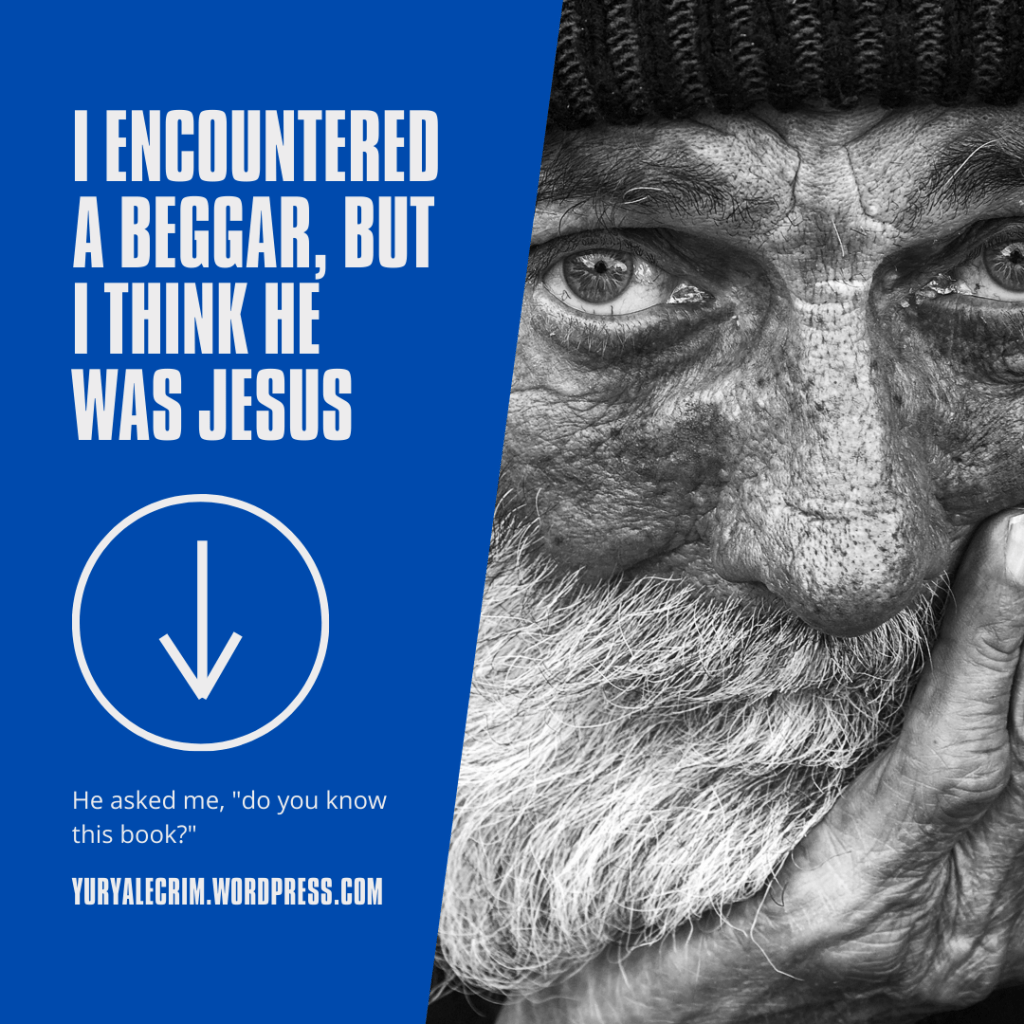
I Encountered a Beggar, But I Think He Was Jesus
Matthew 25:40 NIV
“The King will reply, ‘Truly I tell you, whatever you did for one of the least of these brothers and sisters of mine, you did for me.’
I remember going to fetch some late night snacks at the Petrol Station close to my house when I lived in South Africa.
South Africa was a country undergoing a massive financial crisis, and it was very common to have people begging for money at almost every corner. One should be careful, especially at night.
We used to say that it wasn’t safe to be on foot wandering around town after 18:00. But there I was, in my car, going to the Petrol Station. When I parked the car at the Petrol Station, right on the side of the entrance to the convenience store, I saw a homeless person sitting beside the trash can.
I parked the car and noticed that the homeless person was reading something with a lot of intent, even though there wasn’t much light where he was. I went into the store and came back outside with the late night snacks, passing by the self-absorbed homeless person sitting beside the trash bin, and sat in my car.
For a few moments, I observed this man, still trying to read the small book in his hands. His behavior was unusual, to say the least. A homeless person at that time of night, sitting beside the entrance of the convenience store at the Petrol Station, would typically jump at every opportunity to beg for some food. But not this man.
Despite being intrigued, I switched on the car, and when I did, the Holy Spirit spoke strongly to my heart, saying, “Take care of my servant.” It was a very clear and strong instruction, and I started asking both myself and the Holy Spirit as to how I should approach the man.
With no answer as to how to approach, I decided to just go for it. I switched off the car and hopped outside, walking towards the man. When I approached, he kept his eyes fixed on the book and didn’t even bother to acknowledge my presence.
I then asked him, “Sorry sir, what are you reading?” He replied, pointing to the book, “This is the source of my joy, my wisdom in difficult times, a fountain of life.” He continued, asking me, “Do you know the Bible? Do you know Proverbs? You need to read this! You have to read it!”
As he spoke, I felt a deep sense that this encounter was more than just a regular meeting. It felt like a divine moment, similar to the encounters with angels mentioned in the Bible, where people often didn’t even realize it.
At the same time a sense of shame she confusion rang through my mind, because after all, of course I know the Bible. After all, I am a pastor. And after all, it took me a strong prompt of the Holy Spirit to attend to the needy.
It had not been something spontaneous. Because of that, I felt a deep sense of shame, followed by the silence in sharing my so about my calling.
In a state of awe and shock, I could only nod at the man. And my reaction was emptying my pockets of everything I had and giving it to him. Surprisingly, he didn’t even look at what I was giving him.
Instead, he smiled at me, a smile that felt truly divine. He placed the items I had given him to the side and reminded me not to forget the fountain of life and wisdom found in the written words of the Bible.
Filled with emotion, I returned home and couldn’t stop crying as I told my wife that I believed the man I encountered was (possibly) an angel, or maybe even Jesus himself (a belief I still hold). Determined to help further, I gathered blankets, food, money, and even chocolates.
When I returned to the spot where I met the man, he was no longer there, leaving me feeling desperate. I began asking people at the petrol station if they had seen the beggar who was there just ten minutes ago, but no one had seen anything or anyone.
Heartbroken, I got back in my car and drove around, hoping to find the man (whom I strongly felt was Jesus). Eventually, I noticed someone walking towards a closed street, with no other path to follow.
As I approached the person, I realized it was a different beggar. I asked him if he had seen the specific person I described, and he smiled, replying that it might have been one of his brothers.
As I observed him, it looked to me that this beggar was the same man I had conversed with at the Petrol Station. I was filled with a sense of wonder as I inquired about his whereabouts and the location of his brother.
He informed me that they were constantly on the move, never staying in one place.
Concerned, I asked him where he planned to sleep for the night. He reassured me, saying he would be joining his other homeless brothers. Despite my persistence, he refused to disclose their sleeping spot. In an act of compassion, I gave him all the belongings I had brought with me.
He smiled gratefully before continuing his journey towards the end of a closed street, where he would join his “homeless brothers.”
I might be wrong, but to me, Jesus tested my heart that night. And it might even be that it was Him or an Angel in person I had encountered.Hebrews 13:2 NIV
Do not forget to show hospitality to strangers, for by so doing some people have shown hospitality to angels without knowing it. -
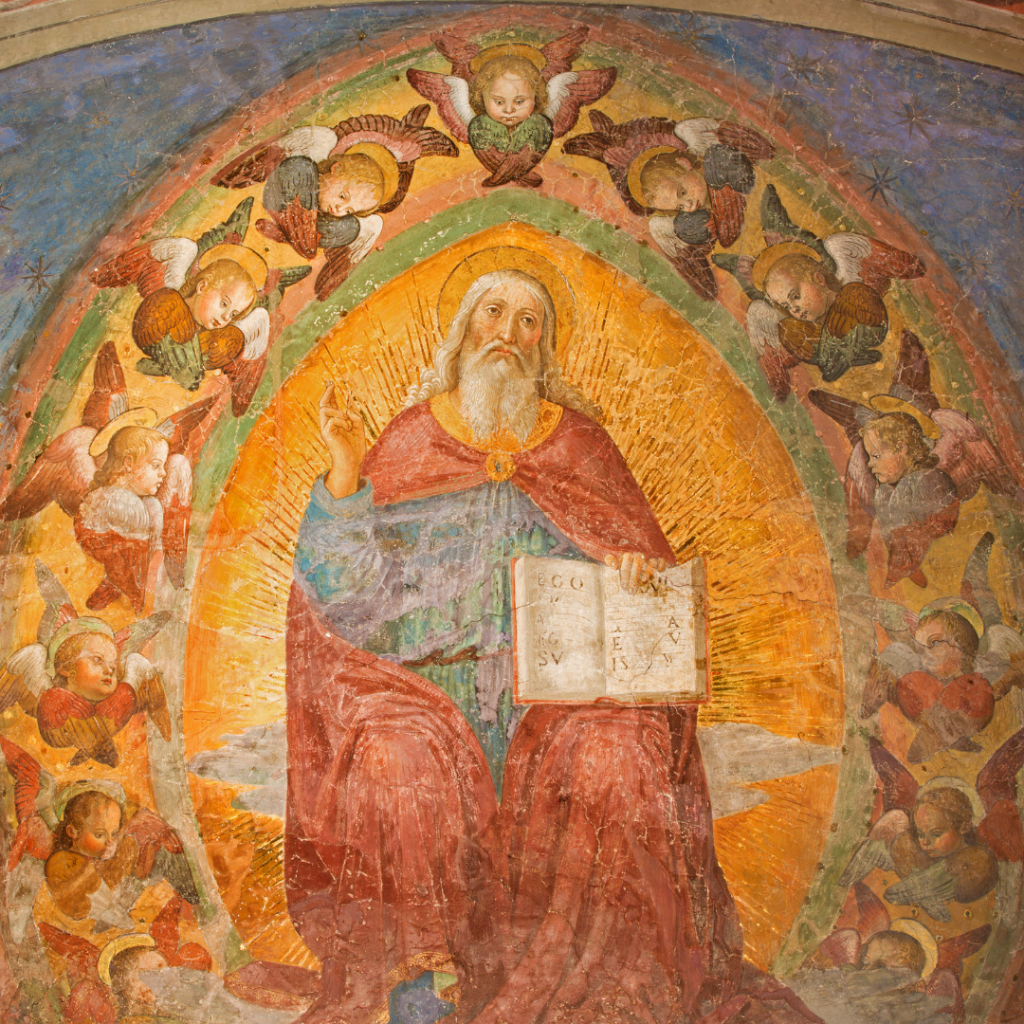
John Chrysostom Preaching on Matthew 23:28 – Early Father’s of the Church and Their Preaching Series
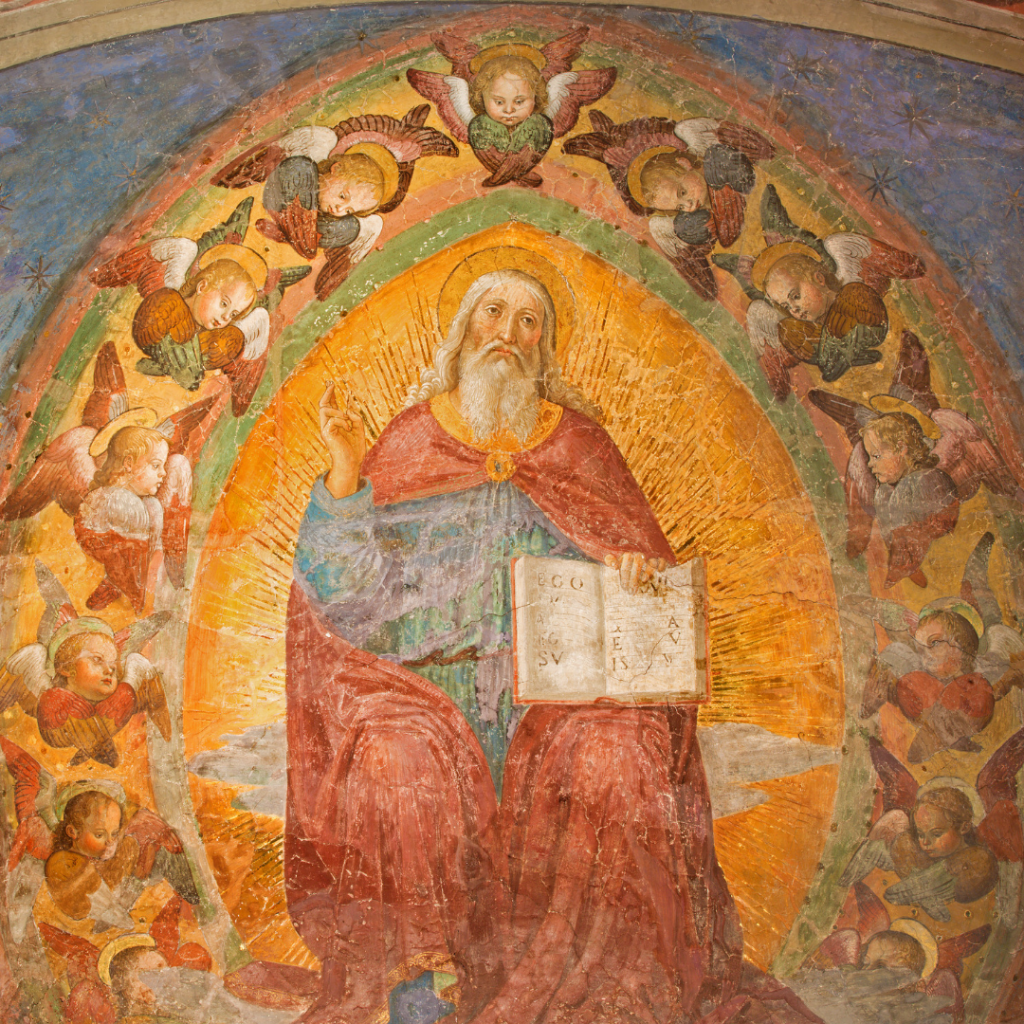
Matthew 23:28 CSB
In the same way, on the outside you seem righteous to people, but inside you are full of hypocrisy and lawlessness.
Chrysostom: John Chrysostom (349– ca. 407 C.E.) was the archbishop of Constantinople known for his eloquence in preaching and public speaking, his denunciation of abuse of authority by both ecclesiastical and political leaders, and his ascetic sensibilities. After his death he was given the Greek surname chrysostomos, “golden mouthed,” rendered in English as Chrysostom.
He wrote the following commentary on the verse above. And I just say that he didn’t hold back. I wonder how we would receive both the Preacher and the preaching in our churches nowadays. How do you think people would react to the following if he was a preacher in your church?
“You have been counted worthy to become temples of God. But you have instead suddenly become more like sepulchers, having the same sort of smell. This is dreadful. It is extreme wretchedness that one in whom Christ dwells and in whom the Holy Spirit has worked such great works should turn out to be a sepulcher, a place for death. What wretchedness is this? What mourning and lamentation does this call for! The members of the body of Christ have become a tomb of uncleanness? Remember your sonship and how you were born. Consider of what things you have been counted worthy. Recall what sort of garment you received in baptism. You were intended to be a temple without fault, beautiful, not adorned with gold or pearls but with the spirit that is more precious than these. You are hardly ready to appear in the city above if you remain a sepulcher below. For if here this is forbidden, much more there. Even here you are an object of scorn. You carry around a dead soul. You are shunned. Be honest. If anyone were to go around carrying about a dead body, wouldn’t everyone else rush for cover! Wouldn’t they all flee? But this is what you are like. You go about carrying a corpse far more grievous than this. It is a soul deadened by sins, a soul paralyzed. The Gospel of Matthew, Homily 73.3.” -

Reflections on Matthew 23 – A Lesson on Hipocrisy

The Bible is an incredible source of wisdom and guidance, and within its pages, we find many lessons that remain relevant today. One such lesson comes from Matthew 23, where Jesus speaks to the crowds and to His disciples, delivering a powerful condemnation of the hypocritical behavior of the Pharisees. This scripture presents an opportunity for deep self-reflection, challenging us to examine our own potential for hypocrisy and to seek genuine transformation.
The Pharisees and Hypocrisy
The Pharisees were religious leaders of their time who asserted that man-made rules had the same authority as God’s laws. However, they themselves did not practice these rules. They used them to burden the people and to look good, not to honor God. This hypocrisy is what Jesus condemned. They had a greater commitment to creed than conduct, and their approach to ministry involved imposing laws on the people and adding burdens to their lives, contrary to the example set by Jesus.
The Pharisees were often likened to actors on a stage, reciting their lines perfectly but without genuine emotion and conviction. They were artists, pretending to follow God’s laws while their hearts remained unchanged. Jesus’ teachings in Matthew 23 serve as a mirror to our souls, challenging us to identify areas of our lives that need change and align ourselves with the principles he advocated.
The Dangers of Seeking Approval
When we do things just to be seen by others, it doesn’t impress God. In fact, it reveals a lack of genuine transformation. We might be able to fool others with our outward displays of piety, but God sees our hearts. He knows when our actions are motivated by a desire for human praise rather than a genuine love for Him. The Pharisees were guilty of this, and it’s a trap that we too can fall into if we’re not careful.
God desires authenticity and a true transformation of the heart. He wants our devotion to result from a genuine love for Him and a desire to follow His teachings. Our actions should reflect our inner faith and not serve as a means of seeking human recognition. It is through a sincere and personal relationship with God that true transformation occurs, and not through the empty performance of religious acts for the approval of others.
True Greatness in Humility and Service
Jesus taught that greatness is found in serving others. Our hearts constantly yearn to be at the forefront, to grow in size and beauty, to possess greater power, and to receive more honor. However, Jesus challenges this view, teaching that true greatness lies not in the pursuit of personal glory, but in creating a world where every heart can flourish.
Jesus walked alongside sinners, but rejected the religious. This happened because their focus changed from loving God and loving others to loving the way they served God. Their religion had become selfish rather than a means of serving others. The time has come for those who believe in Jesus to follow in His footsteps, loving the unlovable, forgiving the unforgivable, and serving others even when they desire to be served.
Religion of Works vs Genuine Faith
The Pharisees were converting people to their religion, not to God. By emphasizing the details of their additional laws and regulations, they completely missed the God of love to whom the laws pointed. A religion of works pressures people to surpass others in what they know and do. We must be sure we are not raising Pharisees by emphasizing outward adherence to tasks or ideas at the expense of inward renewal and servant love.
The true indicator of a person’s relationship with God lies not in their fidelity to religious duties, but in the genuine compassion they extend to those in need. True religion does not consist in performing rituals, but in showing compassion for the forgotten and needy.
Inner Transformation over Outward Appearance
Jesus condemned the Pharisees and religious leaders for outwardly appearing righteous and free from sin, but inwardly remaining full of corruption and greed. Living our faith just to impress others is like washing just the outside of a glass. When God cleans us on the inside, our cleanliness on the outside will not be a sham.
It reminds me of my personal journey every day, where I face the terrible battle in my heart between prettifying myself in front of others, hiding behind a religious title, and pretending that I am perfect and holy. When in reality I am poor, blind, have ragged clothes and have no knowledge of it. We must always remember that God seeks those who are genuine in their faith and sincere in their hearts, not those who are merely putting on a show.
-

Many are called, but few are chosen explanation by John MacArthur
Matthew 22:14 NASBS
For many are called, but few are chosen.”
Many are called, but few are chosen. The call spoken of here is sometimes referred to as the “general call” (or the “external” call)—a summons to repentance and faith that is inherent in the gospel message. This call extends to all who hear the gospel. “Many” hear it; “few” respond (see the many-few comparison in 7:13, 14). Those who respond are the “chosen,” the elect. In the Pauline writings, the word “call” usually refers to God’s irresistible calling extended to the elect alone (Ro 8:30)—known as the “effectual call” (or the “internal” call). The effectual call is the supernatural drawing of God which Jesus speaks of in Jn 6:44. Here a general call is in view, and this call extends to all who hear the gospel—this call is the great “whosoever will” of the gospel (cf. Rev 22:17). Here, then, is the proper balance between human responsibility and divine sovereignty: the “called” who reject the invitation do so willingly, and therefore their exclusion from the kingdom is perfectly just. The “chosen” enter the kingdom only because of the grace of God in choosing and drawing them. John MacArthur
For example, consider a person who hears the gospel message being preached at a church service. This person is part of the “many” who receive the general call to repentance and faith. However, not everyone who hears this call will respond positively. Only a “few” will choose to accept the invitation and commit their lives to following Jesus.
Among those who respond and choose to follow Jesus, they are considered the “chosen” or the elect (only on the basis of their positive/ response by God’s grace, not by birth, our merit. See Joint 1:12)) This selection is not based on their own merit or worthiness but is solely a result of God’s grace. In the Pauline writings, the term “call” often refers to God’s irresistible calling that is extended to the elect alone. This is known as the “effectual call” or the “internal” call.
The effectual call is a supernatural drawing of God, where He irresistibly works in the hearts and minds of individuals to bring them to salvation. Jesus speaks of this drawing in John 6:44, stating that no one can come to Him unless the Father draws them.
It is important to note that while the effectual call is limited to the elect, the general call of the gospel is extended to all who hear it. This call is the great “whosoever will” of the gospel, as mentioned in passages like Revelation 22:17. It is an invitation for anyone and everyone to respond and receive salvation.
In understanding the balance between human responsibility and divine sovereignty, it is crucial to recognize that those who reject the invitation to follow Jesus do so willingly. Their exclusion from the kingdom is a just consequence of their choice. On the other hand, those who are chosen and enter the kingdom do so solely because of God’s grace in choosing and drawing them. This highlights the perfect harmony of God’s sovereignty and human responsibility in the process of salvation.
In the end, it is important to understand that “God’s grace chooses, but man’s will responds.”
-

O Poder da Liderança Pelo Exemplo
Mateus 7:1-6 NVIP
“Não julguem, para que vocês não sejam julgados. [2] Pois da mesma forma que julgarem, vocês serão julgados; e a medida que usarem, também será usada para medir vocês. [3] “Por que você repara no cisco que está no olho do seu irmão e não se dá conta da viga que está em seu próprio olho? [4] Como você pode dizer ao seu irmão: ‘Deixe-me tirar o cisco do seu olho’, quando há uma viga no seu? [5] Hipócrita, tire primeiro a viga do seu olho, e então você verá claramente para tirar o cisco do olho do seu irmão. [6] “Não deem o que é sagrado aos cães, nem atirem suas pérolas aos porcos; caso contrário, estes as pisarão e, aqueles, voltando-se contra vocês, os despedaçarão.
Aqui está o que Jesus quis dizer:
Antes de compartilhar conselhos ou sabedoria valiosos, é crucial compreender o poder de liderar pelo exemplo. É hipocrisia apontar pequenas falhas nos outros quando você também tem falhas significativas.
Portanto, é essencial primeiro aplicar as mudanças e melhorias necessárias à sua própria vida antes de tentar ajudar os outros. Ao fazer isso, é importante abordar os outros com bondade, misericórdia e compaixão, pois a medida dessas qualidades em seu coração será usada para avaliá-lo.
Depois de refinar seu próprio caráter, você poderá compartilhar sua sabedoria, como pérolas preciosas, com aqueles que são receptivos. No entanto, tenha cuidado, pois se partilhar as suas pérolas com aqueles que não estão prontos ou dispostos a ouvir, eles poderão distorcer as suas palavras e prejudicar tanto a sua reputação como a sua mensagem com as suas línguas maliciosas.
Por exemplo, digamos que você queira incentivar as pessoas a terem um estilo de vida mais saudável. Antes de oferecer conselhos sobre dieta e exercícios, é importante dar o exemplo. Comece fazendo mudanças positivas em sua vida, como adotar uma alimentação balanceada e incorporar atividade física regular à sua rotina. Ao incorporar os princípios que deseja promover, você não apenas demonstra sua eficácia, mas também ganha credibilidade. É mais provável que as pessoas sejam receptivas à sua mensagem quando virem o impacto positivo que ela teve no seu próprio bem-estar.
“Lidere pelo exemplo, pois suas ações falam mais alto que palavras.” -

What Came First, The Eggshell or The Chicken?

Genesis 1:12-18 NASBS
The earth brought forth vegetation, plants yielding seed after their kind, and trees bearing fruit with seed in them, after their kind; and God saw that it was good. [13] There was evening and there was morning, a third day. [14] Then God said, “Let there be lights in the expanse of the heavens to separate the day from the night, and let them be for signs and for seasons and for days and years; [15] and let them be for lights in the expanse of the heavens to give light on the earth”; and it was so. [16] God made the two great lights, the greater light to govern the day, and the lesser light to govern the night; He made the stars also. [17] God placed them in the expanse of the heavens to give light on the earth, [18] and to govern the day and the night, and to separate the light from the darkness; and God saw that it was good.
While there could potentially be a better scientific explanation for the origin of things, that is not the case here. What I mean is that in the natural process of things, sunlight is necessary for photosynthesis to occur.
However, in this scenario, there was no photosynthesis because there was no sun present when trees, fruits, and vegetables sprouted. There was light, but no sun.
This brings me back to the age-old question of what came first, the eggshell or the chicken? Is there a creator responsible for all things, or did everything simply come into existence by chance?
In these verses, it becomes evident that God is the creator, designing every detail with such precision that science can only describe its effects and laws, yet struggles to point to the Designer and how everything was created out of nothing.
This knowledge alone is “too wonderful for me; it is too high, I cannot attain to it” (Psalm 139:6 NASB).
“In the intricate web of creation, science unveils the effects while faith reveals the Creator.” -
Genesis 1:3 – Let there be light!

In the Old Testament, light is not only seen as a physical phenomenon but also carries symbolic significance. It is associated with life and blessing, representing God’s presence and guidance. Scriptures such as 2 Samuel 22:29, Job 3:20, and Psalm 97:11 speak of the light as a source of joy and salvation. Isaiah 60:1,3 describes the light as a manifestation of God’s glory and a beacon of hope for His people. In the New Testament, the apostle Paul uses the concept of light to illustrate God’s transformative work in the hearts of believers. In 2 Corinthians 4:6, he refers to God’s divine light shining in the darkness of sin, bringing about spiritual illumination and renewal. Through the power of God’s creative word and the light it brings, both physical and spiritual life become possible.
God spoke, and light came into being!
-

Lead by Example, The Most Powerful Christ Like Characteristic
Matthew 7:1-6 NASBS
“Do not judge so that you will not be judged. [2] For in the way you judge, you will be judged; and by your standard of measure, it will be measured to you. [3] Why do you look at the speck that is in your brother’s eye, but do not notice the log that is in your own eye? [4] Or how can you say to your brother, ‘Let me take the speck out of your eye,’ and behold, the log is in your own eye? [5] You hypocrite, first take the log out of your own eye, and then you will see clearly to take the speck out of your brother’s eye. [6] “Do not give what is holy to dogs, and do not throw your pearls before swine, or they will trample them under their feet, and turn and tear you to pieces.Here’s what Jesus meant:
Before sharing valuable advice or wisdom, it is crucial to understand the power of leading by example. It is hypocritical to point out minor flaws in others when you have significant flaws of your own.
Therefore, it is essential to first apply the necessary changes and improvements to your own life before attempting to help others. In doing so, it is important to approach others with kindness, mercy, and compassion, as the measure of these qualities in your heart will be used to measure you.
Once you have refined your own character, then you can share your wisdom, like precious pearls, with those who are receptive. However, be cautious, for if you share your pearls with those who are not ready or willing to listen, they may twist your words and damage both your reputation and your message with their malicious tongues.
For instance, let’s say you want to encourage people to live a healthier lifestyle. Before offering advice on diet and exercise, it is important to lead by example. Start by making positive changes in your own life, such as adopting a balanced diet and incorporating regular physical activity into your routine. By embodying the principles you wish to promote, you not only demonstrate their effectiveness but also gain credibility. People are more likely to be receptive to your message when they see the positive impact it has had on your own well-being.

“Lead by example, for your actions speak louder than words.” -

Onde Encontrar Ajuda Como Pais de Adolescentes

Por Chris Sasser
Muitas vezes, como pais e mães de adolescentes, ficamos totalmente perdidos quando se trata de saber o que fazer. Eu já me encontrei profundamente envolvido em uma discussão sem sentido com minha filha (que provavelmente comecei) ou sem saber como motivar meu filho.
Eu já segui o caminho errado repetidas vezes, esperando que de alguma forma algo em meus filhos mudasse e que nos encontrássemos em um lugar melhor. Por causa do meu orgulho ou da preguiça (ou ambos), muitas vezes optei pela mentalidade “Vou descobrir à medida que avança”. Afinal, sou muito bom em resolver problemas e planejar os próximos passos. Muitas vezes, tive que chegar à dura realidade de que essa estratégia raramente funciona e raramente produz os resultados que eu queria.
Eu sei que precisamos de ajuda como pais e mães. Tenho dito muitas vezes: “Esses meninos e meninas não vêm com manuais de instruções e não ficam pequenos por muito tempo”. As coisas estão em constante movimento e mudança, tanto nos corações e mentes dos meus filhos adolescentes como na cultura que os rodeia.
Precisamos encontrar maneiras de crescer e aprender como pais e mães se quisermos manter a sanidade e ajudar nossos filhos a se tornarem o homem e a mulher que oramos para que se tornem. Se você consegue se identifica com o que eu estou falando, eu o encorajaria a considerar fazer algumas coisas que o ajudarão a ser pais e mães melhores e a ajudar sua família a abraçar tudo o que Deus tem para eles.
Siga vozes confiáveis: No mundo das mídias sociais e dos “influenciadores”, na verdade existem muitas pessoas que têm coisas boas a dizer. Num mundo de especialização, é possível encontrar pessoas que passam muito tempo pensando nas características específicas dos adolescentes de hoje e analisando tendências culturais e sociais.
Muitas destas vozes têm sugestões práticas e úteis e partilham-nas regularmente com o mundo. Você pode encontrar uma maneira de obter uma dose regular de ajuda e incentivo de pessoas que sabem do que estão falando.
Ouça podcasts para pais e mães: Falando em vozes, há muitos podcasts para pais que se concentram em coisas como navegar na tecnologia e nas mídias sociais, ajudar seus filhos a aprender sobre finanças e lidar com a ansiedade e a depressão.
Muitas das vozes confiáveis mencionadas acima acharam uma maneira de realmente compartilhar suas vozes em podcasts e têm ótimos convidados que fornecem informações úteis. Se você gosta de ouvir outras pessoas conversando e encontrando soluções, encontre um podcast que possa ajudá-lo a se tornar pais e mães melhores.
Leia livros sobre ser pai e mãe: Definitivamente, não há falta de livros cristãos sobre pais no mercado hoje. Novos conceitos e ideias são introduzidos a cada mês, e velhos clássicos ainda são viáveis e úteis. Às vezes, reservar um tempo para ler um livro e digerir a palavra escrita nos ajuda a dedicar mais tempo para processar o que estamos aprendendo.
Pegue um livro que trate de um tópico relevante para pais e reserve o tempo necessário para lê-lo. Ao ler, recomendo ter papel e caneta à mão para que você possa registrar quaisquer pensamentos que vierem à mente ao refletir sobre como se tornar pais e mães melhores.
Encontre blogs e artigos para ler: Falando em leitura, nem sempre temos tempo para sentar e ler um bom livro. Mas muitas vezes temos curtos períodos de tempo em que podemos captar uma ideia. Existem muitos blogs excelentes onde líderes e pastores compartilham artigos que podem ajudá-los como pais e mães.
Mais uma vez, encontre algumas vozes confiáveis que sejam consistentes em suas postagens e reserve alguns momentos aqui e ali para ler um pequeno artigo que fale sobre sua situação.
Converse com outros pais e mães (na sua igreja?): Muitas vezes não há recurso melhor do que as pessoas que convivemos. Conversar sobre problemas e lutas com colegas muitas vezes pode ser exatamente o remédio de que precisamos enquanto decidimos o que fazer em uma determinada situação.
Felizmente, você tem amigos na igreja com quem pode conversar e compartilhar honestamente. Encontre maneiras de participar de grupos formais e de conversas informais com outros pais e mães que estão na mesma estação de vida e de criação de filhos ou que estão logo à sua frente.
Freqüentemente, você pode encontrar a sabedoria e o apoio de que precisa em pessoas que estão passando (ou passaram) pelas mesmas coisas que você. Essas pessoas podem ajudá-lo(a) a ver coisas que você talvez não veja e oferecer o apoio de oração que você precisa.
Obtenha aconselhamento se precisar: Houve momentos em nossa jornada como pais em que nós (e nossos filhos) precisávamos de ajuda mais focada e especializada. Se você se encontrar em uma situação em que sente que precisa de ajuda clínica, encontre-a. O aconselhamento pode ser extremamente útil quando você está sem saída e sabe que não pode resolver os problemas sozinho.
Se você não sabe onde encontrar um conselheiro de confiança ou se sente que não pode pagar por isso, procure um pastor ou líder de sua igreja para obter ajuda nas próximas etapas. Tornar-se mentalmente mais saudável no meio da vida familiar é extremamente importante, portanto, procure a orientação necessária ao navegar em suas lutas.
Quando nos deparamos com algo na vida que não podemos resolver ou com o qual precisamos de mais assistência, normalmente procuramos algum nível de ajuda ou orientação. Fazemos isso no trabalho. Fazemos isso em nossas finanças. Fazemos isso em nossos relacionamentos. Caramba, nós até fazemos isso em nossos hobbies.
Se pararmos para realmente pensar sobre isso, sabemos que devemos fazer isso em nossa criação de filhos. Se quisermos ser os pais e mães que Deus nos chamou para ser, precisamos aprender e crescer, buscando compreender nossos adolescentes e como eles pensam e entendem o mundo e as influências que estão surgindo em seu caminho.
Precisamos ser verdadeiros discípulos de Jesus, mostrando aos nossos adolescentes como é seguir a Deus e viver para Ele todos os dias. Precisamos admitir que precisamos de ajuda em nossa jornada como pais e mães e então fazer tudo o que pudermos para encontrá-la.
Esse artigo foi escrito originalmente em Inglês por Chris Sasser e foi traduzido para o Português pelo Pastor Yury Gaudard.
-

Idades e fases – O que esperar à medida que seu filho cresce por Amy Diller

Uma das melhores partes de ser pais é ver nossos filhos crescerem e aprenderem novas habilidades. Ao mesmo tempo, nos perguntamos se nossos filhos estão no caminho certo com seus amigos e nos preocupamos se parece que eles não estão se desenvolvendo como deveriam. Existem marcos no crescimento físico, emocional, relacional e espiritual para cada idade, mas é importante lembrar que esses estágios não são rígidos. Cada criança se desenvolve em seu próprio ritmo e exibe cada habilidade em diferentes momentos ao longo de cada ano de sua vida. Nosso trabalho é apoiar e orientar seu aprendizado, proporcionando oportunidades para que pratiquem seu crescimento emergente.
Vejamos algumas das principais características de desenvolvimento de cada série do ensino fundamental e como podemos incentivar e nutrir as novas habilidades das crianças.
Jardim da infância
As crianças do jardim de infância estão começando a ser mais independentes de você à medida que começam a escola e brincam com os amigos. Eles desenvolveram controle sobre suas grandes habilidades motoras, como correr, pular, e pular com um pé só. Dê ao seus filhos bastante tempo para fazer essas coisas. As habilidades motoras finas são demonstradas na capacidade de fechar o zipper e abotoar. Quando o tempo permitir, incentive-os a fechar os próprios casacos e roupas. Eles também estão desenvolvendo músculos motores finos para poder usar lápis e giz de cera. Pratique essa habilidade fazendo com que eles peguem pequenas coisas com uma pinça ou pinça de cozinha.
Os alunos do jardim de infância estão aprendendo o certo e o errado, podem falar sobre seus sentimentos e querer tomar suas próprias decisões. Fale sobre comportamento piedoso e ímpio para reforçar o certo versus o errado. Dê-lhes uma linguagem para descrever seus sentimentos, como decepção, empolgação e ciúme. Sempre que possível, dê ao seu filho uma oportunidade de tomar decisões, apresentando-lhe duas opções que sejam aceitáveis para você, como “Você quer usar sua camisa azul ou vermelha?” Eles gostam de brincar com os amigos e estão aprendendo a cooperar quando o fazem.
Espiritualmente, os alunos do jardim de infância são curiosos e podem fazer perguntas sobre Deus, Jesus, o Céu e a Bíblia. Leia uma Bíblia infantil com elas para que possam aprender sobre a Palavra de Deus, bem como compreender a fonte da verdade para nós, como cristãos. Converse com o líder dos seus filhos na igreja sobre recomendações bíblicas para crianças pequenas.
First Grade our Alfabetização
As crianças desta idade estão frequentemente em constante movimento. Normalmente, elas não ficam paradas, mas se mexem, dançam e se contorcem, além de entrar e sair de seus assentos repetidamente. Espere esta atividade enquanto ensina boas maneiras em coisas como sentar à mesa de jantar. Incentivar jogos de alta energia, como pega-pega ou futebol, pode ajudar a gastar energia.
Os alunos da First Grade podem ser confusos ao completar coisas como escrever, colorir e guardar os brinquedos porque querem se apressar para poder passar para a próxima tarefa. Fale sobre desacelerar e fazer o melhor antes de passar para outra coisa. As crianças desta idade gostam de brincadeiras dramáticas. Os alunos da First Grade (assim como de outras idades) se beneficiam de rotinas regulares. Uma maneira de ajudá-los a lembrar as rotinas é criar um gráfico mostrando as etapas para se preparar de manhã ou para dormir. Isso os ajudará a ver a rotina e, eventualmente, lhes dará as habilidades para serem independentes em tantas coisas quanto puderem.
Eles fazem muitas perguntas e desenvolvem seu senso moral sobre o certo e o errado. Falar sobre coisas que são certas (piedosas) e coisas que são erradas (pecado) incentiva o desenvolvimento nesta área. Uma coisa que você pode fazer é usar histórias para apontar esses comportamentos nas escolhas de um personagem. Este é um bom momento para ensinar seu filho sobre o pecado. Não há problema em falar sobre as consequências horríveis do pecado (morte espiritual e física) e que o pecado nos machuca e pode machucar outras pessoas, como a história de Caim e Abel. Queremos que as crianças entendam quão terrível é o pecado e o quanto precisamos de um Salvador.
Second Grade ou Primeira série
Os alunos da primeira série são mais capazes de ler mais sozinhos. Isso lhes dá uma sensação de independência. Além dos livros que estão lendo para a escola, forneça livros apenas para diversão em casa. As crianças nesta fase também começam a desenvolver amizades íntimas e a gravitar em torno delas para brincar. Este também é o estágio em que as crianças podem não querer mais desacelerar, mesmo quando estão cansadas. Se eles não cochilarem mais, reserve um momento tranquilo para ler livros ou colorir para descansar o corpo e a mente.
Os alunos da primeira série podem aprender a realizar tarefas básicas como arrumar a cama, ajudar a lavar ou guardar a louça, recolher o lixo de pequenas latas de lixo ou varrer o chão. Certifique-se de ensiná-los como fazer os trabalhos antes de começarem. Seus filhos se beneficiarāo por ter essas responsabilidades. Você pode começar a pensar em dar a eles uma pequena mesada por realizar tarefas domésticas. Certamente não há problema, desde que você também lhes dê tarefas pelas quais não sejam pagos, para mostrar que os membros da família trabalham juntos para cuidar de sua casa.
As crianças nesta idade começam a perceber as crenças dos outros e podem fazer perguntas sobre as diferenças. Ao mesmo tempo, eles também têm dúvidas sobre diferenças físicas. Mantenha suas respostas simples e objetivas. Eles também têm perguntas sobre Deus e a Bíblia. Encontre maneiras de respondê-las, mesmo que sua resposta inicial seja “Não sei”. Diga ao seu filho que você irá pesquisar ou pedir ajuda a um líder da igreja e entrará em contato com ele. Isso reforça a ideia de que os adultos também ainda estão aprendendo coisas. É uma imagem mais realista do que significa ser adulto.
Terceira série ou Fourth Grade
O senso de humor dos alunos da terceira série está se desenvolvendo, tornando esta fase divertida. É importante falar sobre a diferença entre piadas que são engraçadas para todos e aquelas que zombam dos outros. As amizades do seu filho ficam mais próximas do que nas fases anteriores. Ter um melhor amigo é muito comum. Os alunos da terceira série também percebem as necessidades dos outros e se preocupam com eles. A empatia é uma característica maravilhosa a ser encorajada. Este pode ser um bom momento para encontrar maneiras de você e seu filho servirem outras pessoas em sua comunidade.
Os alunos do terceiro ano tornam-se muito mais conscientes das diferenças de capacidades e forças físicas entre eles e os seus pares. As crianças nesta fase querem fazer as coisas bem e se preocupam muito com o que os outros pensam delas. Reconhecer essas diferenças pode fazer com que seu filho tente estar à altura dos outros, afetando sua autoestima. Certifique-se de edificá-los identificando características positivas que você vê neles e falando sobre como o Senhor os criou. Ajude-os a aprender a substituir os pensamentos negativos pelo que Deus diz sobre eles.
Nessa idade, as crianças fazem grandes perguntas sobre o Senhor e têm suas próprias percepções sobre as coisas espirituais. Ler a Bíblia com seu filho e perguntar o que ele pensa sobre o que você leu é valioso. Quando eles compartilharem, agradeça. Deixe-os saber que o que eles têm a dizer é uma bênção para você. Se suas idéias estiverem claramente teologicamente erradas, corrija-as gentilmente com o que a Bíblia diz. As crianças estão começando a entender o simbolismo e gostam de explorar o que os símbolos significam. Eles podem pensar nos possíveis significados de uma passagem bíblica em um nível diferente.
Terceira série ou Fourth GradeOs alunos da terceira série muitas vezes amadurecem fisicamente mais rapidamente do que nas séries anteriores. As meninas tendem a crescer e mudar mais rapidamente que os meninos. Esta pode ser uma área difícil para o seu filho ou filha se eles estiverem significativamente à frente ou atrás dos seus colegas. Falar sobre a biologia do crescimento pode ajudá-los a compreender que cada pessoa se desenvolve a um ritmo diferente e que esta é uma parte normal do crescimento. Consultar regularmente o pediatra do seu filho dá-lhe uma voz diferente para ouvir. Às vezes, as crianças ouvem as coisas de maneira diferente de alguém além dos pais.
Seus filhos pode ser mais autocríticos do que antes e sentem fortemente o desejo de se encaixar social, acadêmica e fisicamente. Os alunos da terceira série precisam de encorajamento e reforço de suas qualidades positivas de caráter. Falar com mais frequência sobre os traços de caráter que você vê neles, em vez de apenas elogiar as realizações, influencia positivamente seu filho e proporciona uma medida diferente de crescimento para ele.
As crianças nesta fase são muito menos egocêntricas e preocupam-se mais profundamente com as necessidades dos outros. Eles estão preocupados com o certo e o errado, bem como com a equidade e a justiça. Eles podem começar a pensar de forma mais global sobre as questões. As crianças desta idade podem ler a Bíblia de forma independente e beneficiar de orientação sobre como ter um tempo designado com o Senhor. Seja um exemplo para seus filhos e deixe-os ver você lendo a Bíblia, reservando um tempo para orar e frequentar regularmente a igreja. Desafie seu filho ajudando-o a estabelecer metas como memorizar versículos, ler alguns versículos ou uma passagem das escrituras diariamente e procurar maneiras de servir aos outros. Faça algumas dessas coisas juntos como uma família também.
Quarta série ou Fifth Grade
Os alunos da quarta série estão pairando sobre a linha entre a infância e a adolescência, tornando esta uma idade complicada. Ambos desejam ser considerados mais velhos que uma criança e, ao mesmo tempo, desejam participar das atividades da infância. Procure maneiras de nutrir sua crescente independência e abrir espaço para seus interesses favoritos de infância. Devido ao rápido crescimento e às mudanças corporais, as crianças nesta fase se beneficiam de atividades físicas regulares, lanches saudáveis e tempo para descansar. Eles podem se sentir estressados com as expectativas acadêmicas e muitas vezes precisam de ajuda para administrar bem o seu tempo. Seu filho está se tornando mais capaz de reconhecer seus próprios erros e assumir a responsabilidade por eles. Fale sobre a importância de reconhecer seus erros e pedir desculpas quando necessário.
Os alunos da quinta série são muito falantes, muitas vezes precisando discutir algo para ajudá-los a pensar sobre o assunto. Às vezes, toda essa conversa pode ser cansativa. Lembre-se de que é importante cultivar linhas de comunicação abertas por meio de ser um bom ouvinte, para que, ao entrarem na adolescência, saibam que você estará disponível como caixa de ressonância e fonte de orientação.
As crianças nesta idade também começam a ver as perspectivas dos outros. Pensam mais nas questões globais, o que os ajuda a desenvolver um forte sentido de empatia. Os alunos da quarta série têm pensamentos profundos sobre assuntos espirituais, mas por vezes hesitam em articulá-los, pois são mais conscientes do que os outros pensam. Mesmo que não ajam dessa forma, eles querem que você continue oferecendo oportunidades para que compartilhem seus pensamentos e ideias. Ensine seu aluno da quarta série a ter práticas espirituais independentes, como usar um plano de leitura da Bíblia, registrar seus pensamentos e perguntas em um diário e orar pelos outros. Enquanto eles fazem isso sozinhos, continue seu tempo em família lendo a Bíblia, discutindo o que foi lido e orando juntos.
Tenha em mente que todas as crianças crescem e se desenvolvem de acordo com seu próprio ritmo. Cada estágio discutido acima fornece um quadro geral para sua informação. Seu filho pode atingir marcos mais cedo ou mais tarde do que os guias de desenvolvimento fornecem. Se você acha que seu filho está atrasado ou avançado em determinadas áreas, discuta o assunto com seu pediatra, terapeuta ou líder da igreja para obter mais clareza e ideias para ajudar seu filho nesses estágios de desenvolvimento. Se quiser mais informações sobre esse assunto, o livro Are My Kids on Track? de Sissy Goff, David Thomas e Melissa Trevathan é um recurso valioso.
Este Blog post foi escrito originalmente em Inglês por Amy Diller e traduzido ao Português por Yury Gaudard.
-

A Conversation Between God and Enoch
Hebrews 11:5 NASBS
By faith Enoch was taken up so that he would not see death; AND HE WAS NOT FOUND BECAUSE GOD TOOK HIM UP; for he obtained the witness that before his being taken up he was pleasing to God.

Enoch’s righteousness can be rightly determined within a generation that was growing increasingly corrupt against God and more violent towards one another. Despite the prevailing moral decay and violence, Enoch stood out as a righteous individual who maintained his faith in God and lived a life characterized by moral integrity and obedience to God’s commands.
Genesis 6:5 NASBS states that:
Then the LORD saw that the wickedness of man was great on the earth, and that every intent of the thoughts of his heart was only evil continually.
It is also right to determine that there weren’t many faithful people walking with God in that time. There were a few that had remained and Enoch was one of the righteous ones. He was righteous and preached harsh words to his generation.
Jude 1:14-15 NASBS
It was also about these men that Enoch, in the seventh generation from Adam, prophesied, saying, “Behold, the Lord came with many thousands of His holy ones, [15] to execute judgment upon all, and to convict all the ungodly of all their ungodly deeds which they have done in an ungodly way, and of all the harsh things which ungodly sinners have spoken against Him.”
Enoch walked with God in intimacy and everytime I read that Enoch walked with God I am stuck with see. And that’s because the Hebrew verb for “walk” is a unique form that gives the impression of a constant closeness, a powerful intimacy with God. Remarkably, because of this special relationship, Enoch does not die.
While Abel was murdered by His brother despite his faithfulness towards God, Enoch never experienced physical death. He walked with God in profound intimacy and righteousness and was no more.
The expression walk with God denotes an intimate relationship with Him and the expression “was no more” signifies that He was welcomed in God’s Glorious Presence, not only when he was taken, but also throughout his daily walk on Earth.
Moses and Joshua’s daily walks with God exemplify this deep and intimate relationship with God. Moses built a tent outside of the Camp, and each day, he would enter the tent with Joshua. In this sacred space, God would speak to Moses as a friend, and His presence would manifest as a cloud of Glory descending upon the tent. This divine encounter would leave Moses’ face shining with the radiance of God’s presence. Even after Moses left, Joshua would remain, basking in the continued presence of God, cherishing the opportunity to further enjoy His divine company.
The way I see it is as if Enoch had fallen in love with God’s Presence, as much as Moses and Joshua. His heart experienced something that very few people have experienced in the whole history of humanity. He experienced a real walk of intimacy with the Father.
In His walk with God, Enoch experienced God’s Presence, Voice and filling in powerful levels. He also experienced His purposes. His plans were God’s plans, and God’s plans were His plans.
Enoch’s love for God’s Presence was so intense that it manifested in physical and emotional effects. His heart would pound with a fervent passion whenever he was in communion with the Father. The warmth of God’s love would course through his veins, filling him with an indescribable joy and peace.
In the presence of God, Enoch would often hear His voice, gentle yet powerful, speaking directly to his soul. This divine communication would resonate deep within him, guiding and directing his every step. The clarity of God’s voice was unparalleled, leaving no room for doubt or confusion.
Not only did Enoch experience God’s Presence and hear His voice, but he was also filled with the power of the Holy Spirit. This divine filling would energize him, empowering him to carry out God’s will and purposes with unwavering resolve. Enoch’s actions were not driven by his own desires or ambitions but aligned perfectly with God’s plans.
Enoch became a vessel through which God’s plans and purposes flowed effortlessly. His heart beat in sync with the heartbeat of the Father, and his every decision was guided by divine wisdom. Enoch’s life became a living testament to the intimate union between a human soul and the Almighty.
This is how I envision the unfolding of intimacy between Enoch and God during their conversation.
Enoch: Oh, dear God, how my heart longs for Your Presence. Your voice, your filling in my life, it is beyond words.
God: Enoch, my faithful servant, your love for my Presence is a delight to my heart. I am here with you, always.
Enoch: Thank you, Lord. Your plans have become my plans, your purposes my purposes. I want nothing more than to walk in alignment with you.
God: And you have, Enoch. Your obedience and devotion have pleased me greatly. Tell me, how do you delight in my Presence?
Enoch: When I am in communion with you, my heart pounds with a fervent passion. The warmth of your love courses through my veins, filling me with indescribable joy and peace.
God: Your love for me is intense, Enoch. It is a testament to our deep connection. You have experienced my Presence in powerful ways.
Enoch: Yes, Lord, your Presence is tangible. It overwhelms me with a sense of awe and reverence. I am grateful for every moment spent in your Presence.
God: And I, Enoch, am grateful for you. Your unwavering love and devotion have brought us closer. Your faith has pleased me to the extent that I have chosen to take you for myself, sparing you from experiencing death.
Enoch: I am humbled and honored, Lord. To be in your presence for eternity is a blessing beyond measure. I am forever grateful for your love and grace.
God: Enoch, my beloved, continue to walk with me, for our journey together has only just begun. Your love for my Presence will continue to grow, and I will always be with you, guiding and protecting you.
Enoch: Thank you, Lord. I will follow you faithfully, for your plans are my plans, and your purposes are my purposes.
In the history of humanity, only a select few have experienced such a profound walk of intimacy with God. Enoch’s journey serves as an inspiration and a reminder that we too can cultivate a deep and personal relationship with the Creator.
2 Corinthians 3:18 NASBS tells us that this intimacy is reserved for us in levels that are even deeper than that of the people in the Old Testament. And that God me with the most holy awe before God. The verse states that:
But we all, with unveiled face, beholding as in a mirror the glory of the Lord, are being transformed into the same image from glory to glory, just as from the Lord, the Spirit.
Remember this:
“In the union with God, we find the ultimate fulfillment, hear His divine guidance, and harmonize our lives with His flawless design.”
-

Did God Show Favoritism in Accepting Abel Over Cain?
The once lush and vibrant surroundings of the Garden of Eden now gave way to a harsh and unforgiving landscape. The earth, once fertile and yielding, became stubborn and resistant to their toil. The air carried the scent of sweat and exhaustion, mingled with the lingering memory of the fragrant blooms they had left behind.
The sounds of their new world echoed with the clanging of tools against unyielding soil, the grunts of exertion, and the cries of frustration. The once peaceful harmonies of nature were now replaced with the cacophony of struggle and strife.
Every step they took was a reminder of their fallen state. The ground beneath their feet was marred with thorns and thistles, piercing their flesh as a constant reminder of the consequences of their disobedience. Life was no longer a simple existence, but a daily battle against sin and temptation.
Yet, amidst the toil and hardship, there were moments of respite. The warmth of the sun on their faces, the gentle touch of a cool breeze, and the laughter of their children brought fleeting moments of joy. It was in these moments that the memory of the Garden of Eden lived on, a glimmer of hope in a world tainted by sin.
As they shared their stories with their children, the tales of the paradise they had lost became woven into the fabric of their new reality. The Garden of Eden existed only in their memories, a distant dream that both haunted and inspired them. And so, Adam and Eve, along with their sons and daughters, navigated the challenges of their fallen world, clinging to the hope of redemption and a return to the paradise they once knew.

It is in this scenario that Hebrews 11:4 NASBS mentions a part of Cain and Abel’s lives. It says there:
By faith Abel offered to God a better sacrifice than Cain, through which he obtained the testimony that he was righteous, God testifying about his gifts, and through faith, though he is dead, he still speaks.
The chief reason for the acceptance of Abel’s sacrifice, simply said, was that he offered it “by faith.” It is implied that Cain’s sacrifice was rejected because he offered it without faith, as a mere formality.
For example, Abel’s sacrifice of a lamb was accepted because he offered it with sincere belief and trust in God’s promises. He understood the significance of the sacrifice as a symbol of worship and approached it with reverence and gratitude.
And just as a teacher gives a student a gold star for a job well done, God testified His approval of Abel’s sacrifice.
In contrast, Cain’s offering of fruits from his garden was devoid of true faith and seems to have been merely a ritualistic gesture. Proverbs 21:27 says, “The sacrifice of the wicked is detestable—how much more so when brought with evil intent!” (NIV).
God evaluates our motives more then what we offer him (see Genesis 4:7). From the very beginning of creation, God was concerned more about the heart than the actual sacrifice.
There is also the fact that Eve received a promise from God that her seed would step on the serpent’s head. It is possible that Cain grew up with the expectations of being the prodigy child, blessed with many privileges from his parents.
These speculations may have led him to believe that he was destined for a glorious and powerful future, creating a sense of entitlement in his heart. He may have believed that God’s approval was contingent upon him being chosen.
However, God evaluates the motives of our hearts more than the quantity of what we give Him. Unfortunately, Cain might have been influenced by this to become entitled and indifferent towards God.
Imagine this conversation between Cain and Abel:
“I can’t believe it, Abel!” Cain said, his voice filled with excitement. As the chosen one, I felt a sense of purpose and responsibility like never before. Our mother received a divine promise from God, assuring her that her descendants would conquer the treacherous serpent. It has to be me!
“Cain, are you sure?” Abel asked, his voice filled with curiosity. God carefully examines the intentions and desires of our hearts, rather than simply our status or significance. Let’s avoid making these sorts of assumption.
Cain’s defensive tone was evident as he protested, “But Abel, I feel entitled to this!” It is my calling to be the hero, the savior who will conquer the serpent and protect the innocent. God’s approval must be linked to being chosen, right?
In a calm tone, Abel emphasized the importance of remembering that God’s ways are beyond their understanding. He sees beyond our expectations. It’s not just about defeating the serpent, but about the condition of our hearts.
With a frustrated tone, Cain argued, “I don’t think so!” Abel, a profound conviction rests in my heart that I am the one who will fulfill this promise. I am the hero, the one who brings victory.
Abel reminded Cain, with compassion in his voice, that God’s approval does not solely depend on our achievements but on our character.We must focus on serving Him with humility and obedience, rather than seeking our own glory.
“Abel, it’s clear you have no understanding of God,” Cain said with a disappointed tone. God’s choice of me as the firstborn must make you green with envy.
Abel looked at Cain with concern and urged him to seek God’s guidance, emphasizing the importance of trusting His plan. He knows what is best for us, even if it means redefining our roles to maximize our potential.
With a haughty tone, Cain responded to Abel, “Yes, Abel. My role is different than yours because I have been chosen. I don’t need to humble myself before God and trust in His evaluation of my heart because he has chosen me already. By defeating the serpent I will honour Him, not by being so religiously devoted. He has given me already everything, including his approval.
Abel’s words hung in the air, laced with a hint of sorrow, “That’s not right, Cain.” Why don’t we walk this journey together, seeking God’s approval and following His path, no matter where it leads us?
In a furious outburst, Cain reminded Abel, “I have God’s approval, in case you forgot.” I am first and I am better. You are the one needing to strive to be a faithful servant and be so devoted. I need nothing. Goodbye!
Abel could feel the intensity of Cain’s anger reverberating through the air. His face turned red with frustration as he clenched his fists tightly. The muscles in his jaw tensed, causing his teeth to grind together audibly. The veins in his neck bulged, pulsating with every word he spoke.
As Cain’s anger consumed him, his voice grew louder, almost bordering on a shout. Each word was punctuated with a sharp and aggressive tone, leaving no room for doubt about his feelings of superiority. His eyes narrowed, blazing with a fiery glare that conveyed his deep-rooted resentment towards Abel.
Meanwhile, Abel stood there, his body language contrasting sharply with Cain’s. His shoulders slumped slightly, as if burdened by the weight of Cain’s words. He glanced down, unable to meet Cain’s gaze directly, but his brow furrowed with a mix of sadness and determination.
Though Abel’s voice remained calm, it quivered with the weight of unspoken emotions. He spoke softly, countering Cain’s assertions with a quiet resolve. His hands trembled imperceptibly, betraying the inner struggle he faced in the face of Cain’s unwarranted animosity.
The room grew tense as the emotions between the two brothers clashed, creating an almost palpable heaviness. The air itself seemed to be charged with their conflicting energies, making it difficult for anyone present to remain unaffected by the intensity of the moment.
In that instant, it became clear that beneath the surface of their conversation lay a deeply rooted rivalry, driven by envy, resentment, and a desperate need for validation. The physical manifestations of their emotions served as a stark reminder of the turmoil brewing within their hearts, threatening to shatter the fragile bond between them.
Some time went by when Abel and Cain walked before God to offer Him their gifts, and this is how this mind blowing scene unfolds in my mind.
When Cain approached God to present his offering, there was an air of arrogance and self-sufficiency in his demeanor. His body language exuded pride, and his eyes lacked the humility and reverence that Abel’s displayed. As the words left his lips, they seemed empty, void of genuine gratitude and dependence on God’s mercy.
The lack of recognition of his need for God’s grace was reflected in his physical presence. His shoulders were squared, as if he stood tall in his own strength, while his chest puffed out with a false sense of accomplishment. There was no sense of surrender or vulnerability in his posture, no understanding that he was but a mere mortal in need of God’s Presence.
In contrast, Abel’s approach to God was marked by a profound sense of awe and submission. His body language was gentle and humble, his head slightly bowed as a sign of reverence. His eyes were filled with sincerity and trust, acknowledging God’s authority over his life. His hands trembled slightly as he presented his sacrifice, a testament to the depth of his faith and the sincerity of his heart.
God, who sees beyond the external actions, discerned the true nature of their offerings. He rejected Cain’s sacrifice, not because of its size or value, but because it lacked the essence of true worship – a heart surrendered in faith and a recognition of God’s authority. In contrast, God accepted Abel’s offering, not solely because of its physical attributes, but because it was a reflection of his genuine love, trust, and dependence on God.
This story serves as a reminder to us all that true worship is not measured by the external grandeur of our sacrifices, but rather by the internal disposition of our hearts. It is not about the size of our offerings or the pomp and circumstance of our rituals, but about the depth of our faith and the sincerity with which we approach God. It is in acknowledging our need for God’s grace and surrendering ourselves to His authority that we find true worship and communion with Him.
Remember: “True worship is not measured by the size of the sacrifice, but by the depth of one’s faith and sincerity of the heart.”
-

By Faith We Understand God’s Existence and Power
Hebrews 11:3 NASBS
By faith we understand that the worlds were prepared by the word of God, so that what is seen was not made out of things which are visible.
Just as a master artist paints a breathtaking masterpiece with skilled hands, God spoke and brought all things into existence, revealing His beauty and majesty. His creation reflects His image, and both Heaven and Earth testify to His greatness. In the name of the Father, the Son Jesus Christ, and the Holy Spirit, His divine power is revealed.

“Through His divine power, God’s creation reveals the masterpiece of His majesty.”
By His divine power, God not only created the physical world but also sustains it. Every intricate detail, from the vast galaxies to the tiniest organisms, bears the signature of His artistry. The beauty of nature, with its majestic mountains, serene oceans, and vibrant forests, points to the boundless creativity of the Creator.
In the same way, God’s Word brings forth spiritual realities that are unseen but profoundly impactful. Through faith, we comprehend that God’s word is the foundation of all existence. It is through His spoken word that life springs forth, and His power continues to shape and transform our lives.
We can comprehend this deep spiritual reality solely through Faith. By believing, we are enlightened with the truth by the Spirit of God. Human knowledge and reason cannot grasp God’s mysteries. It is His Spirit that unveils the truth to those who have faith in Jesus.
“Faith opens the door to profound understanding, where the Spirit reveals God’s mysteries beyond the limits of human knowledge.”
As believers, we are called to walk by faith, trusting in the unseen and relying on the power of God’s word. Just as a masterpiece reflects the skill and vision of its artist, our lives should reflect the image of our Creator. We are called to be living testimonies of His love, grace, and truth.
In the name of the Father, the Son Jesus Christ, and the Holy Spirit, we acknowledge that the Holy Spirit is at work in and through us. It is His power in us that enables us to overcome obstacles, experience transformation, and live a life that brings glory to God.
Faith not only gives us understanding as to the origin of existence but also its meaning. Faith is like a compass that not only points us in the origin’s direction of existence but also illuminates the path towards its meaning.
For example, let’s consider a person who is struggling with the purpose of their life. They may feel lost and confused, questioning their existence and the meaning behind it all.
In such a situation, faith can serve as a guiding compass. It provides them with a sense of direction, pointing towards the origin of existence. This knowledge helps them to understand that there is a greater purpose to their existence beyond what they can see and comprehend.
Faith also illuminates the path towards finding the meaning of their life. It provides them with hope, strength, and a sense of belonging, all of which allow them to embark on a journey of self-discovery and understanding.
Through faith in Jesus, we can find solace, peace, and a deeper understanding of our purpose, ultimately leading to a more fulfilling and meaningful life.
May we always be in awe of God’s creative power, both in the physical world and in our own lives. Let us strive to reflect His beauty and majesty, knowing that we are fearfully and wonderfully made in His image. Through faith, may we continue to understand and appreciate the miraculous work of our loving Creator.
-

The Nature of Faith – Hebrews 11
Hebrews 11:1-2 NASBS
Now faith is the assurance of things hoped for, the conviction of things not seen. [2] For by it the men of old gained approval.
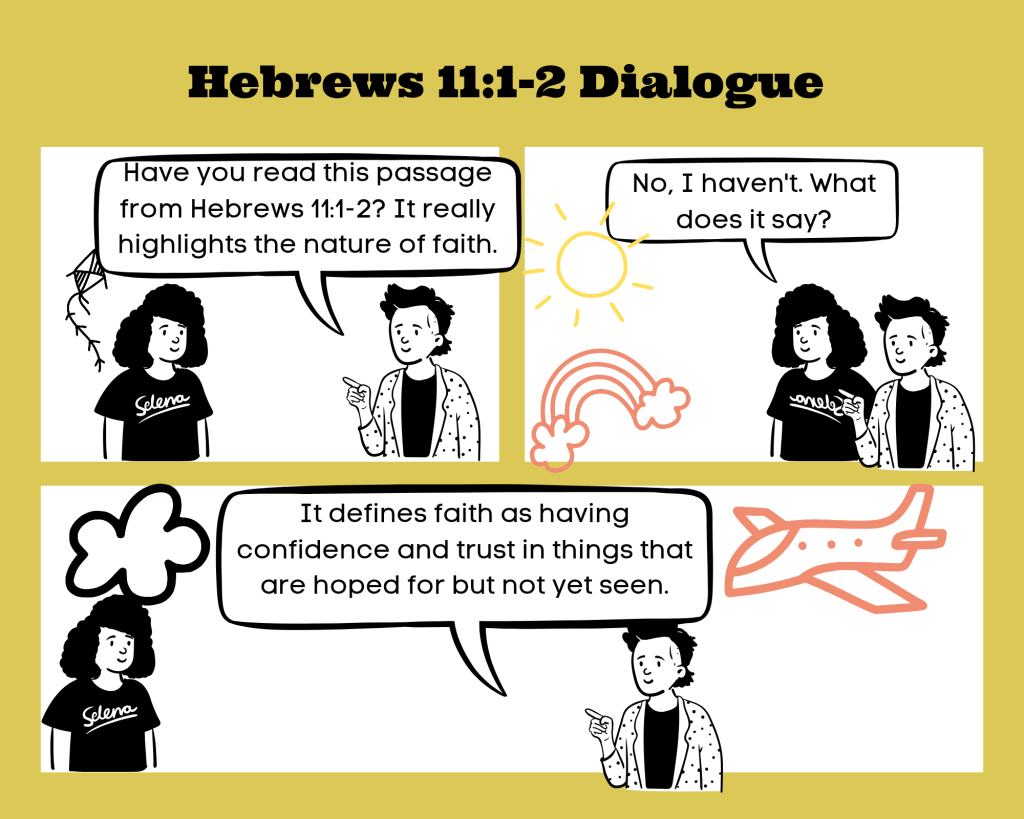
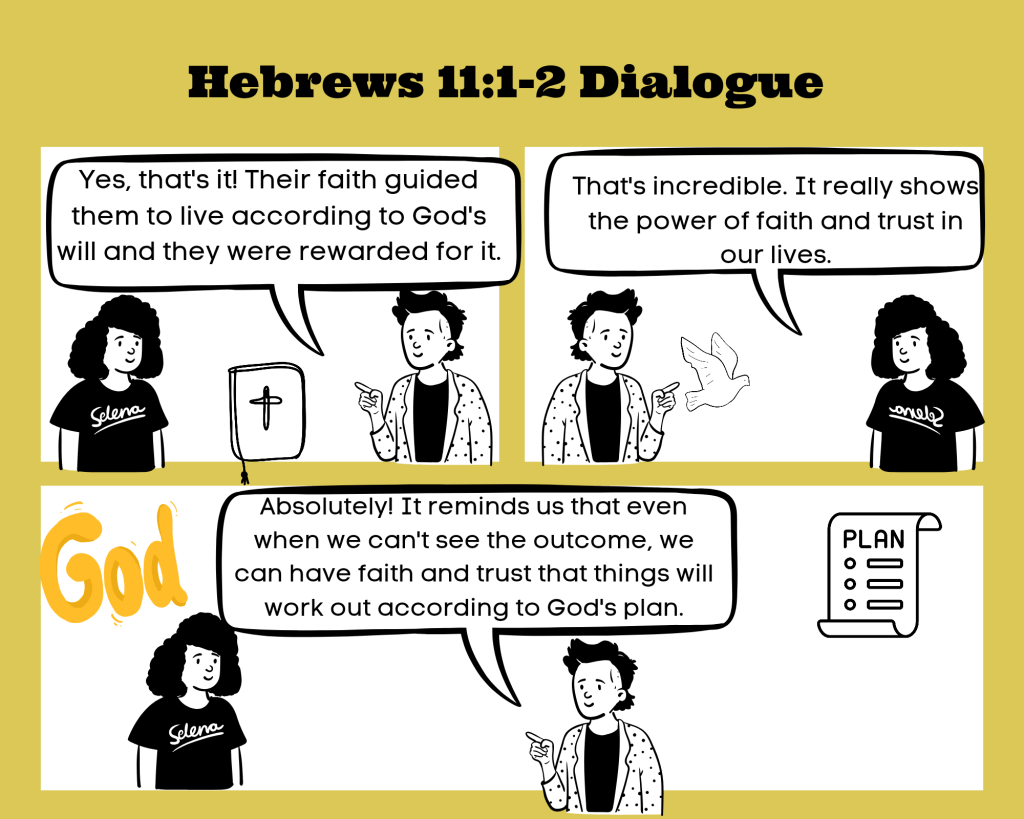
This passage from Hebrews 11:1-2 highlights the nature of faith. It defines faith as the confidence and trust in things that are hoped for but not yet seen. It emphasizes that faith allowed the men of old to receive approval from God. In other words, their unwavering belief, and trust in God’s promises led them to live righteous lives and receive divine approval.Dialogue:


These heroes of faith understood that having faith was not a sign of their own strength or lack of failure. Instead, it was a recognition of their own weaknesses and an acknowledgment that they couldn’t accomplish everything on their own.
They placed their trust in God’s ability to do what they themselves couldn’t. This shows that true faith requires humility, vulnerability, and a willingness to rely on God’s power.
“Faith is the bridge that connects our hopes to the reality of divine approval.”
As we stand on this bridge of faith, the sight of endless possibilities stretches before us. The sound of whispers of encouragement from the Holy Spirit fills out hearts, urging us to take the next step. The smell of hope permeates our senses, invigorating our spirits. With each stride, we feel the warmth of divine approval enveloping us, igniting a sense of purpose and fulfillment.
Taking steps of faith in obedience to Jesus requires us to trust Him completely, even in uncertain circumstances. This trust is not based on our own self-assurance or abilities, but on our unwavering belief in His faithfulness and wisdom.
As we surrender control and place our confidence in Him, a deep sense of peace fills our hearts. This peace is a reassurance that God is in control and will guide us through whatever challenges may come our way.
Release control, stop relying on your strengths and trust the Author and perfecter of your faith, Jesus Christ, our Lord. He’s our Shepherd, we shall not want! -

The Real Story Behind The Wise Men in Jesus’ Birth
Matthew 2:9 NASBS
After hearing the king, they went their way; and the star, which they had seen in the east, went on before them until it came and stood over the place where the Child was.Matthew 2 Exerpt from The Preacher’s Commentary
The Witness of the Wise Men
It is believed that the magi came from Persia and were a tribe of priests. Herodotus says that the magi were originally a tribe of Medians who had tried to overthrow the Persian Empire but failed and became among the Persians a priestly tribe much like the Levites in Israel. These magi became the teachers of the Persian kings and were skilled in philosophy and science. They were known as men of holiness and wisdom and were interpreters of dreams.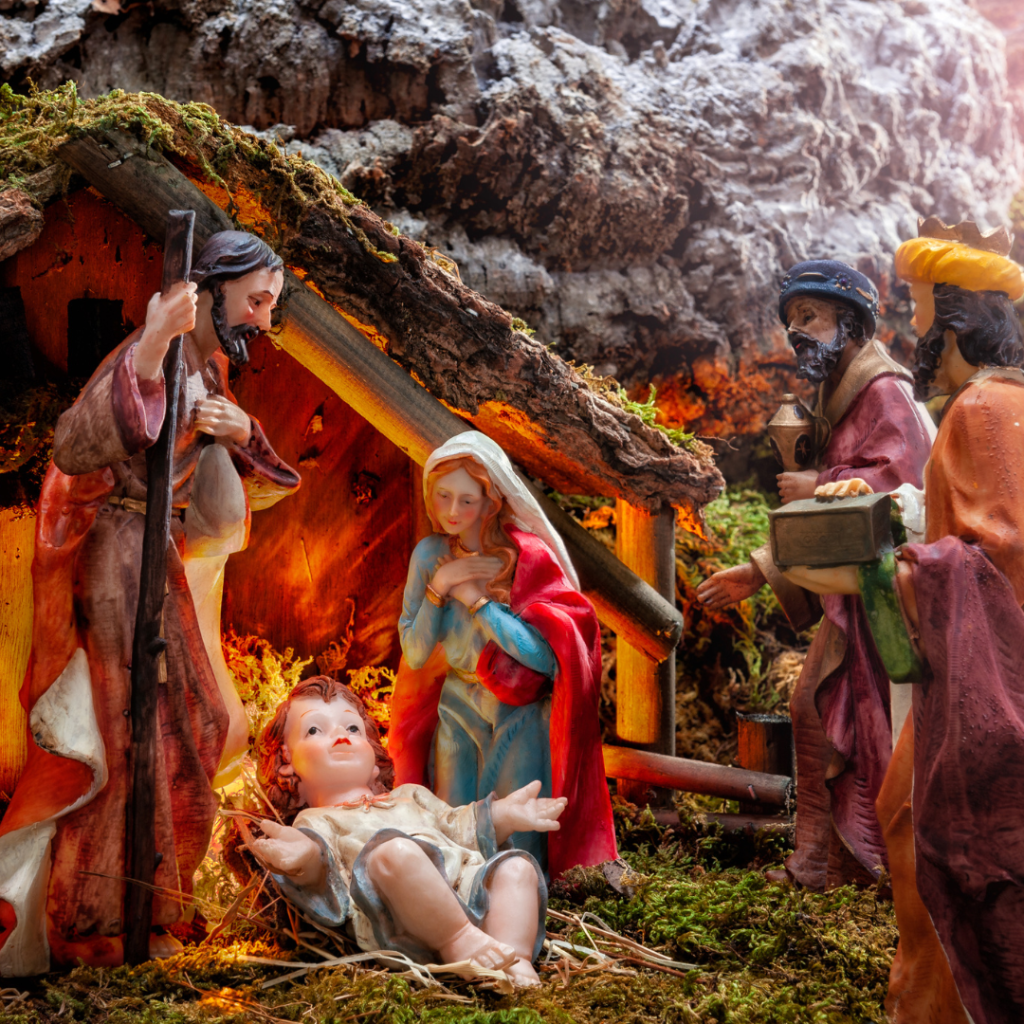
As was common in those ancient days, such men of science and wisdom studied the stars, believing in astrology. They held that a man’s destiny was influenced or settled by the star under which he was born. If some spectacular phenomenon appeared in the heavens, it impressed them that God was breaking into the natural order and announcing some special event.Much speculation has been made as to what brilliant star these ancient magi saw; whether it was some supernova, or whether it was a brilliant comet such as Halley’s Comet, or whether it was a brilliant conjunction of planets such as Saturn and Jupiter. At least the Scripture tells us that there was a brilliant star that appeared, and the magi, seeing this star, were convinced of an act of God in which the entry of a great king was being heralded to the world.
There was a general expectation in the world at that time of an imminent messianic announcement. This is found in the writings of Josephus, the writings of wise men in the Middle East and in Greece, and in the writings of Roman historians. It is reflected in the writings of Virgil, the Roman poet, in what is known as the Messianic Eclogue, where he even hailed Augustus the Roman emperor as the savior of the world. At the time Jesus Christ was born there was a general expectation of an act of God to bring a person into the world who would deliver man from his bondage and limitations.
The magi represent Gentiles coming from distant areas of the world to worship the Christ. In view of our thesis that Matthew presents the gospel of salvation history, introducing the Son of God as King of kings, as a ruler of a new kingdom which extends far beyond the borders of national Israel, we note that at the very beginning of the Gospel there is a relationship to the Gentiles.
Apparently the wise men took some length of time after the birth of Christ to arrive at Bethlehem. There is no indication that they found Jesus in the stable or in the cave. It may have been all of two years until they actually arrived and found the young child, Jesus.At least we discover that Herod’s attempt to destroy Christ included all of the boy children two years and under. In verse 11 we read that “when they had come into the house, they saw the young Child with Mary His mother.” This reference of finding them in a house, and reference to a young child rather than to a babe are further indications of the elapsed time from the birth of Christ until the occasion when the magi arrived.
This is how I imagine the wise men finally arriving at Jesus’ house:
As the wise men followed the radiant star, its shimmering light illuminated their path through the dark night. The air was crisp and carried a sense of anticipation. The sound of their footsteps echoed softly against the silence of the night, as they made their way towards the humble dwelling where Jesus lay.
Upon entering, the wise men were greeted by a gentle warmth that enveloped the room. The soft glow of candlelight danced upon the walls, casting a tranquil ambiance. The scent of frankincense and myrrh filled the air, their fragrance intertwining with a hint of straw and wood.
As the wise men approached Jesus, a profound sense of reverence and awe washed over them. They knelt before Him, their hearts filled with humility and adoration. With hands outstretched, they presented their precious gifts, symbols of their devotion and recognition of His divinity.
In that sacred moment, a profound peace settled upon the room. The weight of the world seemed to rest upon the tiny shoulders of the newborn child. His presence exuded wisdom beyond His years, and His name, Wonderful Counselor, Mighty God, Eternal Father, Prince of Peace, resonated deeply within their souls.
With hearts brimming with joy and gratitude, the wise men departed, carrying with them the message foretold by the prophet Isaiah. The promise of an everlasting government and unfailing peace echoed in their minds as they ventured forth, knowing that the zeal of the Lord of hosts would bring about the fulfillment of this divine plan.
And so, the star continued to shine brightly in the night sky, guiding others to the life-changing truth that God had sent His son to save humanity from sin. The story of the wise men’s visitation and their encounter with the infant Jesus would forever be etched in history as a testament to the enduring love and mercy of God.
-

You Shall Receive Power – Acts 1:8
Acts 1:8 NASBS
But you will receive power when the Holy Spirit has come upon you; and you shall be My witnesses both in Jerusalem, and in all Judea and Samaria, and even to the remotest part of the earth.”
This verse, found in the book of Acts 1:8, is a promise from Jesus to His disciples. He tells them they will receive power from the Holy Spirit. This power will enable them to be witnesses for Him, not only in their immediate surroundings of Jerusalem, Judea, and Samaria, but also to the farthest corners of the earth.
This statement serves as a commission for the disciples, as well as for all believers who would follow in their footsteps. It emphasizes the importance of spreading the message of Jesus Christ, not just locally, but globally.
The power of the Holy Spirit is crucial in fulfilling this mission. It empowers believers to boldly proclaim the good news of salvation and to demonstrate the love and power of God to a world in need.
The expansion from Jerusalem to Judea and Samaria represents a progression from the familiar to the less familiar. It signifies the spreading of the message beyond the immediate surroundings of the disciples. Finally, the phrase “even to the remotest part of the earth” encompasses the universality of the gospel message. It implies that there are no boundaries or limitations to where this message should reach.
This verse serves as a reminder that the responsibility of sharing the gospel is not limited to a select few, but rather, it is a calling for every believer. It encourages us to step out in faith, relying on the power of the Holy Spirit, to be witnesses for Christ wherever we go, whether it be in our own communities or in the farthest corners of the earth.
“You shall be empowered by the Holy Spirit, spreading the light of your witness from Jerusalem to the ends of the earth.”
In Judea and Samaria, they fearlessly ventured, defying every obstacle. They crossed treacherous terrains, their feet leaving imprints of faith on unfamiliar soil. The Holy Spirit guided their steps, empowering them to overcome every barrier.
Amidst persecution and opposition, their resolve remained unyielding. They preached with unwavering determination, their words resonating with divine authority. The masses were captivated, their hearts transformed by the truth they proclaimed.
Undeterred by distance or danger, they embarked on perilous journeys, venturing to the farthest corners of the earth. From bustling cities to remote villages, their witness echoed across mountains and valleys, penetrating the hearts of the forgotten.
They faced trials and tribulations, yet their faith remained unshakable. Through shipwrecks, imprisonments, and afflictions, they pressed on, driven by a purpose greater than themselves. They were fueled by the power of the Holy Spirit, their resolve unbreakable.
And so, the disciples became beacons of light in a world shrouded in darkness. Their witness transcended boundaries, transcended cultures, transcended time. The power of the Holy Spirit flowed through them, transforming lives, igniting a revolution that would resound through the ages. -

A Dialogue on John 3:16
John 3:16 NASBS
“For God so loved the world, that He gave His only begotten Son, that whoever believes in Him shall not perish, but have eternal life.
John: Hey Mark, have you ever thought about what it means when it says, “For God so loved the world, that He gave His only begotten Son”?
Mark: Yeah, it’s actually a powerful statement. It means that God loved us so much that He sent His Son Jesus to save us.
John: Right, and it says, “whoever believes in Him shall not perish, but have eternal life.”
Mark: Exactly! It means that if we put our faith in Jesus, we won’t face eternal separation from God, but instead, we’ll have everlasting life with Him.
John: That’s incredible. It shows just how deep God’s love for us is.
Mark: Absolutely. It’s a reminder of the sacrifice God made for us and the opportunity we have to have a personal relationship with Him.
John: So true. It’s a message of hope and redemption for all who choose to believe.
Mark: Amen to that. It’s a beautiful promise that gives us comfort and reassurance in our faith.
John: Definitely. We should share this message with others, so they too can experience the love and eternal life offered by God.
Mark: I agree. Let’s spread the good news and invite others to believe in Him.
John: Sounds like a plan. Together, we can make a difference and share God’s love with the world.
Mark: Absolutely. Let’s go out and be a light in this dark world, showing others the way to eternal life through Jesus.
John: Amen to that, my friend. Let’s go and make an impact for God’s kingdom.
-

O Sangue Deles, O Avanço do Reino!
Hebreus 12:1-6 NVIP
Portanto, também nós, uma vez que estamos rodeados por tão grande nuvem de testemunhas, livremo-nos de tudo o que nos atrapalha e do pecado que nos envolve e corramos com perseverança a corrida que nos é proposta, [2] tendo os olhos fitos em Jesus, autor e consumador da nossa fé. Ele, pela alegria que lhe fora proposta, suportou a cruz, desprezando a vergonha, e assentou-se à direita do trono de Deus. [3] Pensem bem naquele que suportou tal oposição dos pecadores contra si mesmo, para que vocês não se cansem nem desanimem. [4] Na luta contra o pecado, vocês ainda não resistiram até o ponto de derramar o próprio sangue. [5] Vocês se esqueceram da palavra de ânimo que ele dirige a vocês como a filhos: “Meu filho, não despreze a disciplina do Senhor nem se magoe com a sua repreensão, [6] pois o Senhor disciplina a quem ama, e castiga todo aquele a quem aceita como filho” .
O seu sangue, derramado sobre a terra, tornou-se solo fértil para um novo amanhecer. Das cinzas do tormento, a semente de uma fé resiliente criou raízes. E a cada gota derramada, um grito desafiador ecoava através do tempo.
Eram as sementes de uma revolução, brotando das profundezas do desespero. Sua devoção inabalável acendeu uma chama que não poderia ser extinta. Quanto mais eram abatidos, mais o seu número aumentava, como uma floresta em chamas com a verdade.
Os seus opressores não conseguiram compreender o poder que despertaram. O sangue dos cristãos, um elixir precioso, alimentou o nascimento de uma nova vida. Correu nas veias de um movimento crescente, uma força que não seria silenciada.
Diante da perseguição, eles se multiplicaram. A fé deles, como uma maré implacável, avançou imparável. O solo encharcado de sangue tornou-se uma prova de sua determinação inabalável. Cada sacrifício, uma prova de seu amor inabalável.
As palavras de Tertuliano ressoaram através dos tempos, um grito de guerra para os fiéis. Eles se apegaram à promessa de que em seu sofrimento encontrariam forças. Para cada lágrima derramada, uma semente de esperança foi plantada, pronta para florescer numa colheita de triunfo.
Então, eles se mantiveram firmes, seus corações ardendo de convicção. Enfrentaram a tempestade com coragem inabalável, sabendo que o seu sangue alimentaria as raízes de um novo começo. O sangue dos mártires, um testemunho do seu espírito inquebrável, tornou-se a força vital de uma Igreja que prospera.
E à medida que os ecos do seu sacrifício reverberavam através do tempo, o seu legado permaneceu gravado nos anais da história. O sangue dos cristãos, uma semente que daria frutos para sempre, um símbolo de resiliência e um testemunho do poder duradouro da fé.
-

Their blood, spilled upon the earth…
Hebrews 12:1-6 TPT
As for us, we have all of these great witnesses who encircle us like clouds. So we must let go of every wound that has pierced us and the sin we so easily fall into. Then we will be able to run life’s marathon race with passion and determination, for the path has been already marked out before us. [2] We look away from the natural realm and we focus our attention and expectation onto Jesus who birthed faith within us and who leads us forward into faith’s perfection. His example is this: Because his heart was focused on the joy of knowing that you would be his, he endured the agony of the cross and conquered its humiliation, and now sits exalted at the right hand of the throne of God! [3] So consider carefully how Jesus faced such intense opposition from sinners who opposed their own souls, so that you won’t become worn down and cave in under life’s pressures. [4] After all, you have not yet reached the point of sweating blood in your opposition to sin. [5] And have you forgotten his encouraging words spoken to you as his children? He said, “My child, don’t underestimate the value of the discipline and training of the Lord God, or get depressed when he has to correct you. [6] For the Lord’s training of your life is the evidence of his faithful love. And when he draws you to himself, it proves you are his delightful child.”In the darkness of persecution, they stood strong. The martyrs, like wildflowers, bloomed amidst the chaos. Blades of oppression slashed through their ranks, but their spirit refused to wither.
Their blood, spilled upon the earth, became a fertile soil for a new dawn. From the ashes of torment, the seed of a resilient faith took root. And with each drop shed, a defiant shout echoed through time.
They were the seeds of a revolution, sprouting from the depths of despair. Their unwavering devotion ignited a flame that could not be extinguished. The more they were cut down, the more their numbers surged, like a forest ablaze with truth.
Their oppressors failed to comprehend the power they had awakened. The blood of the Christians, a precious elixir, fueled the birth of a new life. It coursed through the veins of a growing movement, a force that would not be silenced.
In the face of persecution, they multiplied. Their faith, like a relentless tide, surged forward, unstoppable. The blood-soaked ground became a testament to their unwavering resolve. Each sacrifice, a testament to their unyielding love.
The words of Tertullian resonated through the ages, a rallying cry for the faithful. They clung to the promise that in their suffering, they would find strength. For every tear shed, a seed of hope was sown, ready to blossom into a harvest of triumph.
So, they stood tall, their hearts ablaze with conviction. They faced the storm with unwavering courage, knowing that their blood would nourish the roots of a new beginning. The blood of the martyrs, a testament to their unbreakable spirit, became the lifeblood of a thriving Church.
And as the echoes of their sacrifice reverberated through time, their legacy remained etched in the annals of history. The blood of Christians, a seed that would forever bear fruit, a symbol of resilience, and a testament to the enduring power of faith.
-

For You Are a Chosen People: An Exploration of 1 Peter 2:9 NIV

In the Christian faith, the Bible serves as a guide, providing believers with the words and wisdom of God. One powerful verse that holds significant importance is 1 Peter 2:9 NIV, “But you are a chosen people, a royal priesthood, a holy nation, God’s special possession, that you may declare the praises of him who called you out of darkness into his wonderful light.” This verse is an affirmation of our divine calling and the special relationship we have with God.
The verse in question refers back to a significant biblical event, where God speaks to the people of Israel after delivering them from Egypt. In Exodus 19:5-6 NIV, He establishes a covenant with them, saying, “Now if you obey me fully and keep my covenant, then out of all nations you will be my treasured possession. Although the whole earth is mine, [6] you will be for me a kingdom of priests and a holy nation.’”
The invitation to a close relationship with God is a central theme throughout the Bible. It is a call to listen to His Voice personally, not merely obey a set of rules. This truth is often concealed as believers value the intellectual side of Theology over the simplicity of hunger and thirst for His Presence, His guidance, His voice. An example of this can be found in Matthew 4:4 NASBS, where Jesus rebukes the devil in the desert, saying, “It is written, ‘Man SHALL NOT LIVE ON BREAD ALONE, BUT ON EVERY WORD THAT PROCEEDS OUT OF THE MOUTH OF GOD.’”
From the very beginning of the church, persecution has been a constant. Even today, the persecution against Christians is stronger than ever before in countries like North Korea, China, and Iran. Christianity’s history is marked by martyrs of all types, of all ages, both men and women. Their sacrifices have become the seeds of the Church, fostering its growth and spreading its message.
When under persecution, Christians throughout history have displayed a sense of urgency and seriousness towards both their sanctification and their call to be martyrs, to witness Jesus. On the other hand, when under comfort, Christians often prioritize their wellbeing over the Kingdom of God. This dichotomy is explored in the book of 1 Peter, a text dealing with suffering, endurance, and obedience.
Called into the Light
Despite their troubles, early Christians were reminded of their significance in Christ. They were a chosen generation, part of God’s plan to build a royal priesthood, a holy nation. They were a special people, invited to step into a unique relationship with God and one another.
A Timely Message
These affirmations serve as encouragement for those struggling to find their place in society and in the church. We often doubt our significance and capabilities, forgetting our true identity as God’s chosen people. We must regain a biblical understanding of words such as ministry, calling, and laity to fully participate in and contribute to God’s work.
Our True Identity
The descriptions used by Peter to describe Christians reveal our true identity. We belong to God and have received His call, mercy, and claim on our lives. We are no longer refugees but sons and daughters of the King, with all the rights and blessings of family membership. This is our true identity.
In conclusion, remember the words of 1 Peter 2:9 NIV, “you are a chosen people, a royal priesthood, a holy nation, God’s special possession.” This verse is a powerful reminder of our divine calling and the special relationship we have with God. As Christians, we must strive to listen to His voice personally, remain committed to our faith regardless of the circumstances, and remember our true identity as His chosen people.
-

Pois você é um povo escolhido: Uma Exploração de 1 Pedro 2:9 NVI

Na fé cristã, a Bíblia serve de guia, fornecendo aos crentes as palavras e a sabedoria de Deus. Um versículo poderoso que tem uma importância significativa é 1 Pedro 2:9 NVI: “Mas vocês são um povo escolhido, um sacerdócio real, uma nação santa, propriedade especial de Deus, para que possam declarar os louvores daquele que os chamou das trevas para sua luz maravilhosa.” Este versículo é uma afirmação do nosso chamado divino e do relacionamento especial que temos com Deus.
O versículo em questão refere-se a um evento bíblico significativo, onde Deus fala ao povo de Israel depois de libertá-lo do Egito. Em Êxodo 19:5-6 NVI, Ele estabelece uma aliança com eles, dizendo: “Agora, se vocês me obedecerem totalmente e guardarem minha aliança, então dentre todas as nações vocês serão minha possessão preciosa. Embora toda a terra seja minha, [ 6] vocês serão para mim um reino de sacerdotes e uma nação santa.’”
O convite para um relacionamento íntimo com Deus é um tema central em toda a Bíblia. É um chamado para ouvir pessoalmente a Sua Voz, e não apenas obedecer a um conjunto de regras. Esta verdade é muitas vezes ocultada, pois os crentes valorizam o lado intelectual da Teologia em detrimento da simplicidade da fome e sede da Sua Presença, da Sua orientação, da Sua voz. Um exemplo disso pode ser encontrado em Mateus 4:4 NASBS, onde Jesus repreende o diabo no deserto, dizendo: “Está escrito: ‘O homem não viverá só de pão, mas de cada palavra que sai da boca do DEUS.’”
Desde o início da igreja, a perseguição tem sido uma constante. Ainda hoje, a perseguição contra os cristãos é mais forte do que nunca em países como a Coreia do Norte, a China e o Irão. A história do Cristianismo está marcada por mártires de todos os tipos, de todas as idades, tanto homens como mulheres. Os seus sacrifícios tornaram-se as sementes da Igreja, promovendo o seu crescimento e difundindo a sua mensagem.
Quando sob perseguição, os cristãos ao longo da história demonstraram um sentido de urgência e seriedade tanto em relação à sua santificação como à sua chamada para serem mártires, para testemunharem Jesus. Por outro lado, quando estão confortáveis, os cristãos muitas vezes priorizam o seu bem-estar em detrimento do Reino de Deus. Essa dicotomia é explorada no livro de 1 Pedro, um texto que trata do sofrimento, da resistência e da obediência.
Chamado para a Luz
Apesar dos seus problemas, os primeiros cristãos foram lembrados do seu significado em Cristo. Eles eram uma geração escolhida, parte do plano de Deus para construir um sacerdócio real, uma nação santa. Eles eram um povo especial, convidados a entrar num relacionamento único com Deus e uns com os outros.
Uma mensagem oportuna
Essas afirmações servem de incentivo para aqueles que lutam para encontrar seu lugar na sociedade e na igreja. Muitas vezes duvidamos do nosso significado e capacidades, esquecendo a nossa verdadeira identidade como povo escolhido de Deus. Devemos recuperar uma compreensão bíblica de palavras como ministério e chamado para participarmos plenamente e contribuirmos para a obra de Deus.
Nossa verdadeira identidade
As descrições usadas por Pedro para descrever os cristãos revelam a nossa verdadeira identidade. Pertencemos a Deus e recebemos Seu chamado, misericórdia e reivindicação sobre nossas vidas. Já não somos refugiados, mas filhos e filhas do Rei, com todos os direitos e bênçãos. Esta é a nossa verdadeira identidade.
Concluindo, lembre-se das palavras de 1 Pedro 2:9 NVI: “vocês são um povo escolhido, um sacerdócio real, uma nação santa, propriedade especial de Deus”. Este versículo é um lembrete poderoso do nosso chamado divino e do relacionamento especial que temos com Deus. Como cristãos, devemos esforçar-nos por ouvir pessoalmente a Sua voz, permanecer comprometidos com a nossa fé, independentemente das circunstâncias, e lembrar a nossa verdadeira identidade como Seu povo escolhido.
-

FROM WORRIES TO WARRIORS: TOP 10 FAITH-FUELED STRATEGIES TO TACKLE ANXIETY!

Written by: Yury Gaudard
Surround Yourself with Loving Friends
When you are going through a time where anxious thoughts are taking over your mind, surround yourself with loving friends who are ready to express empathy and express how much God loves you and how much you are secure in His care for you. Having empathetic, supportive, and loving friends around you can be a source of hope during anxious moments.

Be Immersed in His Love
In a moment, all our insecurities, fears, and loneliness encounter with the very Presence of God in a Fatherly Hug. In that moment, when our souls shout back to Him our shortcomings, and our anxious thoughts, His Presence embraces us with love, acceptance, and restoration. And that is love triumphing over anxiety.

Casting Your Anxiety on Him
Pray often about your situation, bringing it before God in PRAYER. Talk to the Lord about your anxieties and expect Him to answer. It is crucial to learn how to pray by using simple words to communicate how you are feeling, knowing that the Lord is listening and will calm your heart!
“Humble yourselves, therefore, under the mighty hand of God so that at the proper time he may exalt you, casting all your anxieties on Him, because He cares for you.” – 1 Peter 5:6

Memorize Scripture
God’s Word is our source of help and healing. Find Bible verses about the Lord’s peace, love, and protection, like Philippians 4:7 or Psalm 36:7. You should have these verses memorized, written on your phone, and placed where you can see them often to remind you of God’s truth and love for your life. God’s Word has the power to uproot our despair and replace it with an overflowing joy.

Journaling
For many people, drawing or writing about their feelings can be therapeutic. Get yourself a special journal for you to use any time you want to express your thoughts and emotions when you are anxious, worried, or fearful. One of the best ways to give your problems and stress to God is to keep a journal.

Expand Your Vocabulary
We must increase our vocabulary to be able to discuss and explain our experiences if we are to conquer anxiety. Learn the meanings of the words to better describe your feelings so that you can better express and understand your emotions.

Physical Health
Our bodies can become depleted when experiencing high levels of anxiety. This is especially true when we are experiencing high levels of stress and lack of sleep. Be sure to continue or adopt a healthy diet to provide the nutrients your body needs. Engaging in physical activity can be an invaluable tactic in combating anxiety.

Breathe
People who are feeling a lot of stress often breathe shallowly. It is very important to learn how to calm down by doing deep breathing. Put one hand on your chest and the other on your belly to feel them fill up with air. Slowly let out your breath until you feel better.

Use the Senses
Engaging one of your five senses can also have a calming effect. Seeing, feeling, hearing, tasting, and touching are ways to help yourself to break out of the worry cycle by focusing on something else. Some find fidget toys very helpful. The more senses engaged, the better.

Seek Professional Help
If your daily life is negatively affected and you are concerned that the anxiety is more than just typical stressful experiences, don’t hesitate to reach out for professional help. Get a medical examination for physical symptoms and find a trusted Christian therapist by asking for recommendations. There is no shame in asking for and seeking help.

-

The Right to Be Reborn as Children of God

As found in the scripture, John 1:12 (Voice Translation), “But for all who did receive and trust in Him, He gave them the right to be reborn as children of God.” This profound truth encapsulates the transformative journey of every believer who surrenders their life to Jesus. As we delve deeper into this concept, we come to understand that accepting Jesus is more than merely a nod to theological understanding; it’s about entering into an intimate relationship with Him, fueled by His divine grace.
Becoming God’s Children
Everyone who gives their lives to follow and serve Jesus has a significant right. The right to be called God’s children. This means a rebirth, a spiritual transformation that redefines our ambitions, purposes, life’s meaning, and dreams according to God’s heart. This new birth signifies your spiritual awakening that allows you to live by the Spirit of God, for His Glory, and to honor His name.
God’s Sovereign Grace
This gift of spiritual rebirth is supplied solely by God’s grace and never through human effort. Yet, becoming God’s children is contingent on those who receive and believe. It’s a beautiful dance between God’s sovereign grace and human free will. This dynamic portrays God’s desire for followers who genuinely love Him, not merely obey Him due to compulsion.
The Act of Receiving Jesus
Receiving Jesus entails more than a logical grasp of God’s Work and Word. It implies completely trusting Him and entering into a personal and intimate connection with Him. Our path to this relationship is not determined by physical birth, ethnicity, human effort, or even religion. Instead, it’s a miraculous operation of God’s Grace in the human heart through His Spirit.
Believing in Jesus
Believing in Jesus is integral to our relationship with Him. It mandates a conscious personal response, an educated awareness rather than blind or empty faith. When we accept and believe in Jesus Christ, He grants us the privilege of being God’s children. However, our belief must be holistic, not confined to our notions and misconceptions. We must regard Jesus as the Bible genuinely portrays him.
Aren’t We All Children of God?
Often, people argue that every human being is a child of God. While we are all God’s offspring in the sense that He created us and gave us life, not all of us are His children in the spiritual sense. Some may go to church and even receive His blessings without feeling love or appreciation for the Father. They want the privileges but evade the responsibilities. Aren’t We All Children of God?
The True Children of God
The true children of God commit to Him with thankfulness, affection, and fellowship. They respond to His call to follow Him. These individuals partake in all His fulness, adopting the intimate term ‘ABBA Father’ as a sign of their spiritual connection. It prompts us to reflect: What type of child are we?
In conclusion, the right to be reborn as a child of God is a divine gift offered to every individual. It comes with the promise of transformation, the privilege of intimate relationship, and the responsibility of faithful obedience. It is an invitation to experience God’s grace and to become a testament of His love in the world.
-

O Direito de Renascer Como Filhos de Deus

Conforme encontrado nas escrituras, João 1:12 NVIP
“Contudo, aos que o receberam, aos que creram em seu nome, deu-lhes o direito de se tornarem filhos de Deus,”
Esta verdade profunda resume a jornada transformadora de cada crente que entrega a sua vida a Jesus. À medida que nos aprofundamos neste conceito, compreendemos que aceitar Jesus é mais do que apenas um aceno à compreensão teológica; trata-se de entrar em um relacionamento íntimo com Ele, alimentado por Sua graça divina.
Tornando-se Filhos de Deus
Todos que dão suas vidas para seguir e servir Jesus têm um direito significativo. O direito de serem chamados filhos de Deus. Isto significa um renascimento, uma transformação espiritual que redefine as nossas ambições, propósitos, sentido da vida e sonhos de acordo com o coração de Deus. Este novo nascimento significa o seu despertar espiritual que lhe permite viver pelo Espírito de Deus, para a Sua Glória, e honrar o Seu nome.
A graça soberana de Deus
Este dom do renascimento espiritual é fornecido unicamente pela graça de Deus e nunca através do esforço humano. No entanto, tornar-se filho de Deus depende daqueles que recebem e crêem. É uma bela dança entre a graça soberana de Deus e o livre arbítrio humano. Esta dinâmica retrata o desejo de Deus por seguidores que O amem genuinamente, e não apenas O obedeçam por compulsão.
O Ato de Receber Jesus
Receber Jesus implica mais do que uma compreensão lógica da Obra e da Palavra de Deus. Implica confiar completamente Nele e entrar em uma conexão pessoal e íntima com Ele. Nosso caminho para esse relacionamento não é determinado pelo nascimento físico, pela etnia, pelo esforço humano ou mesmo pela religião. Em vez disso, é uma operação milagrosa da Graça de Deus no coração humano através do Seu Espírito.
Acreditando em Jesus
Acreditar em Jesus é parte integrante do nosso relacionamento com Ele. Exige uma resposta pessoal consciente, uma consciência educada em vez de uma fé cega ou vazia. Quando aceitamos e acreditamos em Jesus Cristo, Ele nos concede o privilégio de sermos filhos de Deus. No entanto, a nossa crença deve ser holística, não confinada às nossas noções e equívocos. Devemos considerar Jesus como a Bíblia o retrata genuinamente.
Não somos todos filhos de Deus?
Freqüentemente, as pessoas argumentam que todo ser humano é filho de Deus. Embora sejamos todos descendentes de Deus no sentido de que Ele nos criou e nos deu vida, nem todos somos Seus filhos no sentido espiritual. Alguns podem ir à igreja e até receber Suas bênçãos sem sentir amor ou apreço pelo Pai. Eles querem os privilégios, mas fogem das responsabilidades. Mas não somos todos filhos de Deus, eles perguntam?
Os Verdadeiros Filhos de Deus
Os verdadeiros filhos de Deus são compromissados com Ele e expressam gratidão, carinho e lealdade para com o Pai. Eles respondem ao Seu chamado para segui-Lo aonde quer que Ele os enviar. Esses indivíduos participam de toda a Sua plenitude, adotando o termo íntimo “ABBA PAI” como sinal de sua conexão espiritual. Isso nos leva a refletir: Que tipo de filhos (as) nós somos?
Concluindo, o direito de renascer como filho de Deus é um dom divino oferecido por Ele a nós. Vem com a promessa de transformação, o privilégio do relacionamento íntimo e a responsabilidade da obediência fiel. É um convite para experimentar a graça de Deus e tornar-se um testemunho do Seu amor no mundo e ao mundo.
Amém!
-

The Secret Place
The secret place. Extract from Barnes Commentary of the Bible. Matthew 6:6 Enter into thy closet – Every Jewish house had a place for secret devotion. The roofs of their houses were flat places, well adapted for walking, conversation, and meditation. See the notes at Mat 9:2. Professor Hackett (“Illustrations of Scripture,” p. 82) says: “On the […]
The Secret Place -

God’s Ever-Present Love: A Reflection on Psalm 139:5

Have you ever pondered the depth of God’s knowledge about you? The reality is, there is nothing concealed from God. He sees us just as we are, with all our troubles, mistakes, goals, and aspirations. Even the number of hairs on our heads isn’t a secret to Him (Matthew 10:30). This omnipresence and omniscience of God are beautifully encapsulated in Psalm 139:5 – “You have hedged me behind and before, And laid Your hand upon me.”
Often, when we meet someone, we harbor this unreasonable concern that we would be rejected if they find out about things in our lives that they do not agree with. But it’s not the same with the Lord. He already knows everything about us – how we sleep, how we shall awaken, the state of our minds, and the desires of our hearts (Psalm 139:3).
However, the fact that God knows everything about us, even every step we will take, should not fill us with dread or drive us away from Him in shame and guilt. Because God loves us, He is always with us – holding our hands when we are in danger, forgiving us when we make mistakes (asking for His forgiveness), and leading us even when we lack purpose and direction.
When the scripture says that God is enveloping us on all sides, it means that He is taking us under His wings, just like a chicken does with its young (Matthew 23:37). He is leading us to a place of complete security and love, propelling our lives forward even when we don’t perceive any signs of progress.
We surrendered and humbled our lives under His mighty hands, and that means that He has complete authority over our lives. If we applied this to ourselves, we would struggle less and trust more, have less anxiety and rest more, strive less and enjoy more. As the song goes, “He’s got the whole world in His hands.” He holds your life and my life in His hands, directing us to make our lives worthwhile.
When the Bible says God blesses us, it’s akin to a parent affirming their children, telling them what great gifts they are, full of promise to succeed. It’s similar to parents taking the effort to assure their children of their unconditional love. It’s the same as when a mentor compliments you on your capacity and potential to achieve great things, promising to be there to support and guide you along the way.
God says, “You are precious, I have chosen you, you are loved, you will succeed (when you abide in me), and I will guide, protect, and help you if you allow me to.” He promises to provide us with the capacity, provision, protection, and forgiveness, and assures us of His presence.
God is not merely transcendent in power and majesty, but also intimately involved in our lives. The beauty of this fact is not only beyond my comprehension, but it also fills me with awe! In the end, He chose us to be with us. Thank you, Jesus!
-

O amor sempre presente de Deus: uma reflexão sobre o Salmo 139:5

Você já refletiu sobre a profundidade do conhecimento de Deus sobre você? A realidade é que não há nada escondido de Deus. Ele nos vê exatamente como somos, com todos os nossos problemas, erros, objetivos e aspirações. Mesmo o número de fios de cabelo em nossas cabeças não é segredo para Ele (Mateus 10:30). Esta onipresença e onisciência de Deus estão lindamente encapsuladas no Salmo 139:5 NVIP – Tu me cercas, por trás e pela frente, e pões a tua mão sobre mim.
Muitas vezes, quando conhecemos alguém, alimentamos essa preocupação irracional de que seríamos rejeitados se essa pessoa descobrisse coisas em nossas vidas com as quais não concorda. Mas não é a mesma coisa com o Senhor. Ele já sabe tudo sobre nós – como dormimos, como acordaremos, o estado de nossas mentes e os desejos de nossos corações (Salmos 139:3).
Contudo, o fato de Deus saber tudo sobre nós, até mesmo cada passo que daremos, não deve encher-nos de pavor ou afastar-nos Dele com vergonha e culpa. Porque Deus nos ama, Ele está sempre conosco – segurando nossas mãos quando estamos em perigo, perdoando-nos quando cometemos erros (pedindo Seu perdão) e nos guiando mesmo quando nos falta propósito e direção.
Quando a Bíblia diz que Deus está nos envolvendo por todos os lados, significa que Ele está nos colocando sob Suas asas, assim como uma galinha faz com seus filhotes (Mateus 23:37). Ele está nos conduzindo a um lugar de total segurança e amor, impulsionando nossas vidas mesmo quando não percebemos nenhum sinal de progresso.
Entregamos e rendemos nossas vidas sob Suas mãos poderosas, e isso significa que Ele tem total autoridade sobre nossas vidas. Se aplicássemos isso a nós mesmos no dia a dia, lutaríamos menos e confiaríamos mais, teríamos menos ansiedade e descansaríamos mais, nos esforçaríamos (no sentido de aprender a descansar Nele) menos e desfrutaríamos mais. Como diz a música: “Ele tem o mundo inteiro em Suas mãos”. Ele mantém a sua vida e a minha em Suas mãos, nós guiando a fazer com que nossas vidas valham a pena.
Quando a Bíblia diz que Deus nos abençoa, é como um pai afirmando seus filhos, dizendo-lhes que eles são uma benção, nos capacitando a conquistar. É semelhante aos pais que se esforçam para mostrar aos filhos seu amor incondicional. É o mesmo que quando um mentor elogia você pela sua capacidade e potencial para realizar grandes coisas, prometendo estar presente para apoiá-lo e orientá-lo ao longo do caminho.
Deus diz: “Você é precioso, eu escolhi você, você é amado, você terá sucesso (quando permanecer em mim) e eu o guiarei, protegerei e ajudarei se você me permitir.” Ele promete nos capacitar, dar provisão, proteção e perdão, e nos garante Sua presença.
Deus não é apenas transcendente em poder e majestade, mas também está intimamente envolvido em nossas vidas. A beleza deste fato não só está além da minha compreensão, mas também me enche de admiração! No final, Ele nos escolheu para estar conosco. Obrigado, Jesus!
-

VOCÊ FOI ESCOLHIDO: DESTRINCHANDO JOÃO 15:16
Uma das mensagens mais transformadoras da Bíblia pode ser encontrada em um versículo simples, João 15:16 NVIP “Vocês não me escolheram, mas eu os escolhi para irem e darem fruto, fruto que permaneça, a fim de que o Pai conceda a vocês o que pedirem em meu nome.”

Há alguns anos, tive a oportunidade de mergulhar nesse versículo com um jovem de 15 anos que estava lutando com sua fé. Enquanto tentava navegar em um mundo cheio de tentações, como pornografia e festas com bebidas, ele também lutava com o conceito de que Jesus o escolhera.
Durante uma de nossas sessões de discipulado, apresentei-lhe João 15:16 e ele ficou cheio de perguntas. Me animei por finalmente ter chamado sua atenção, e estava ansioso para responder suas perguntas sobre o versículo. Mas depois do nosso encontro, me encontrei em uma situação inesperada.
A mãe do jovem, uma mulher trabalhadora que tentava guiar o seu filho para Jesus, estava preocupada com algo que eu tinha dito ao seu filho. Ela sempre dizia ao filho para escolher Jesus, mas ele voltou para casa dizendo que não precisava, porque Jesus já o havia escolhido. Para esclarecer o mal-entendido, tive que explicar o versículo com cuidado e precisão.
Primeiramente, eu disse a ela, é importante notar que Jesus fez a primeira escolha. Ele escolheu nos amar, morrer por nós e nos convidar a viver com ele para sempre. Somos então apresentados à nossa escolha: aceitar ou rejeitar sua oferta. Sem a escolha dele, não teríamos escolha a fazer.
Ao contrário de outros discípulos que normalmente escolhiam o seu rabino, os discípulos de Jesus foram escolhidos por Ele. E eles foram escolhidos com um propósito: dar frutos enquanto permanecem Nele e receber do Pai o que pediram em nome de Jesus.
Orar em nome de Jesus é a chave para experimentar as promessas de Deus. Não há igreja, nem reino de Deus, nem salvação, nem cura, nem milagres, nem conforto no Senhor, nem promessas cumpridas, nem esperança, nem ministério, nem céu sem orar em nome de Jesus. “Em meu nome”, disse Jesus, “qualquer coisa pedireis e recebereis, obedecendo aos meus mandamentos e permanecendo em mim”.
Em segundo lugar, o versículo enfatiza que devemos ir e dar frutos. Isto significa que o propósito pelo qual Cristo nos escolheu não é apenas para que os nossos pecados sejam perdoados e que tenhamos a vida eterna, mas também que as nossas vidas sejam frutíferas e produtivas no cumprimento dos propósitos de Deus.
Jesus deixou claro que tal privilégio não dependia de mérito próprio, mas de Sua escolha soberana. O relacionamento entre Jesus e Seus discípulos começou com a seleção, passou para o serviço e cresceu para a amizade. Tendo escolhido os discípulos, Jesus comissionou-os a produzir frutos permanentes através da oração.
Um ponto significativo que me chama a atenção, e que enfatizei para a mãe, é que somos chamados de Seus amigos e convidados a caminhar em um relacionamento próximo com Ele. A nossa resposta pessoal a este chamado determina se somos escolhidos ou apenas chamados.
Como afirmado em Mateus 22:14 NVIP “Pois muitos são chamados, mas poucos são escolhidos”.
Muitos são chamados, mas poucos respondem a esse chamado, nunca sendo, portanto, elevados à responsabilidade de amigos que sabem o que está no coração de Deus, que obedecem, permanecem e têm as suas orações respondidas. Muitos são chamados, mas poucos respondem para ir e dar frutos duradouros.
No final das contas, ser escolhido não é apenas ser selecionado, é responder a esse chamado, crescer na fé e produzir frutos que permanecerão. Trata-se de abraçar a nossa amizade com Ele, uma amizade que não se baseia no nosso mérito, mas no Seu amor e graça.
-

YOU ARE CHOSEN: UNPACKING JOHN 15:16

One of the most transformative messages in the Bible can be found in a simple verse, John 15:16 NASBS: “You did not choose Me but I chose you, and appointed you that you would go and bear fruit, and that your fruit would remain, so that whatever you ask of the Father in My name He may give to you.”
A few years ago, I had a chance to dive into this verse with a 15-year-old young man who was struggling with his faith. As he was trying to navigate a world full of temptations like pornography and drinking parties, he was also wrestling with the concept of Jesus choosing him.
During one of our discipleship sessions, I introduced him to John 15:16 and he was filled with questions. Excited that I had finally grabbed his attention, I was eager to answer his queries about the verse. But after our meeting, I found myself in an unexpected predicament.
The young man’s mother, a hardworking woman trying to guide her son towards Jesus, was concerned about something I had told her son. She had been consistently telling her son to choose Jesus, but he came home saying he didn’t have to because Jesus had already chosen him. To clear the misunderstanding, I had to explain the verse with care and precision.
Firstly, I told her, it’s important to note that Jesus made the first choice. He chose to love us, to die for us, and to invite us to live with him forever. We are then presented with our choice—to accept or reject his offer. Without his choice, we would have no choice to make.
Unlike other disciples who normally chose their rabbi, Jesus’ disciples were chosen by Him. And they were chosen for a purpose—to bear fruit while abiding in Him and to receive from the Father what they asked in Jesus’ name.
Praying in Jesus’ name is the key to experiencing the promises of God. There is no church, no kingdom of God, no salvation, no healing, no miracles, no comfort in the Lord, no promises fulfilled, no hope, no ministry, and no heaven without praying in Jesus’ name. “In my name,” Jesus said, “you will ask anything and you will receive, while obeying my commandments and abiding in me.”
Secondly, the verse emphasizes that we should go and bear fruit. This means that the purpose of Christ’s choosing people is not merely for their sins to be forgiven and for them to have eternal life, but also for their lives to be fruitful and productive in fulfilling God’s purposes.
Jesus made it clear that such privilege rested not in their own merit, but on His sovereign choice. The relationship between Jesus and His disciples started with selection, moved to servanthood, and grew to friendship. Having chosen the disciples, Jesus commissioned them to bring forth permanent fruit through prayer.
One significant point that stands out to me, which I emphasized to the mother, is that we are called His friends and invited to walk in a close relationship with Him. Our personal response to this call determines whether we are chosen or merely called.
As stated in Matthew 22:14 NASBS, “For many are called, but few are chosen.” Many are called, but few respond to this calling, therefore never being elevated to the responsibility of friends who know what’s in God’s heart, who obey, abide, and pray to receive. Many are called, but few respond to go and bear fruit that will last.
In the end, to be chosen is not just about being selected, it’s about responding to that call, growing in faith, and bearing fruit that will remain. It’s about embracing our friendship with Him, a friendship that is not based on our merit, but His love and grace.
-
O REINO INVERTIDO DE DEUS: UMA REFLEXÃO SOBRE 1 CORÍNTIOS 1:26-31

Você já visitou uma casa de cabeça para baixo? Imagine entrar pela porta e ver tudo ao contrário. Cadeiras no teto, luzes no chão. Há até um quadro de avisos na entrada alertando você para andar com cuidado, pois o ambiente desordenado pode ser desorientador. Esta imagem peculiar serve como uma metáfora adequada para a compreensão dos ensinamentos profundos e muitas vezes contra-intuitivos de Jesus Cristo, conforme iluminados por Paulo na sua primeira carta aos Coríntios.
Em 1 Coríntios 1:26-31, Paulo escreve: Irmãos, pensem no que vocês eram quando foram chamados. Poucos eram sábios segundo os padrões humanos; poucos eram poderosos; poucos eram de nobre nascimento. [27] Mas Deus escolheu o que para o mundo é loucura para envergonhar os sábios e escolheu o que para o mundo é fraqueza para envergonhar o que é forte. [28] Ele escolheu o que para o mundo é insignificante, desprezado e o que nada é, para reduzir a nada o que é, [29] a fim de que ninguém se vanglorie diante dele. [30] É, porém, por iniciativa dele que vocês estão em Cristo Jesus, o qual se tornou sabedoria de Deus para nós, isto é, justiça, santidade e redenção, [31] para que, como está escrito: “Quem se gloriar, glorie-se no Senhor” .
Esta passagem transmite uma mensagem crucial sobre a natureza do reino de Deus e o tipo de pessoas que Ele chama para servi-Lo. Não são os sábios, os poderosos ou a elite que são frequentemente escolhidos. Em vez disso, Deus escolhe aqueles que o mundo considera tolos, fracos ou insignificantes. Esta não é uma decisão baseada em favoritismo ou preconceito, mas sim uma demonstração da capacidade de Deus de usar o menos esperado para cumprir os Seus propósitos.
Poderíamos nos perguntar por que Deus escolheria trabalhar dessa maneira. Por que não escolher os sábios, os poderosos e os notáveis? A resposta está no propósito dessas escolhas. Ao escolher os “tolos”, os “fracos” e os “humildes”, Deus está fazendo uma declaração profunda. Ele está descartando os padrões mundanos de importância e poder e, em vez disso, enfatizando a humildade, o amor e a confiança Nele. As escolhas de Deus não deixam espaço para ostentação orgulhosa, mas antes convidam-nos a reconhecer e celebrar o Seu poder operando através de nós.
Consideremos mais uma vez a casa invertida. A razão pela qual é desorientador é porque contradiz a nossa compreensão do que uma casa deveria ser. Os ensinamentos de Jesus fazem o mesmo, desafiando as nossas noções preconcebidas de poder e importância. O próprio Jesus, embora Filho de Deus, assumiu a forma de servo, humilhando-se pelo bem de todos. Ao fazer isso, ele modelou o tipo de humildade e amor que Deus valoriza.
Jesus também chamou seus seguidores a se tornarem como crianças. Isto também é desconcertante. Afinal, as crianças são fracas, dependentes e obedientes. Mas na sua inocência e pureza, na sua confiança nos pais e na sua falta de auto-importância, encontramos um modelo ideal para o nosso relacionamento com Deus. Ser filho de Deus é confiar totalmente Nele, reconhecer nossa dependência Dele e compreender que nosso valor não vem de nossas próprias habilidades ou realizações, mas de Seu amor por nós.
Deus nos chama não por causa de nossas qualificações ou habilidades, mas apesar delas. Ele nos chama para servir de maneiras que excedem nossas capacidades, para que em nossas fraquezas, Sua força possa ser revelada. No reino de Deus de cabeça para baixo, os últimos são os primeiros, os fracos são os fortes e os tolos são os sábios. É um reino onde o poder é encontrado na humildade, onde a grandeza é encontrada no serviço e onde a vida é encontrada na total entrega a Deus.
-
GOD’S UPSIDE-DOWN KINGDOM: A REFLECTION ON 1 CORINTHIANS 1:26-31

Have you ever visited an upside-down house? Imagine walking through the door and seeing everything in reverse. Chairs on the ceiling, lights on the floor. There’s even a notice board in the entryway warning you to navigate with care, as the topsy-turvy surroundings can be disorienting. This peculiar image serves as a fitting metaphor for understanding the profound and often counterintuitive teachings of Jesus Christ, as illuminated by Paul in his first letter to the Corinthians.
In 1 Corinthians 1:26-31, Paul writes: “Brothers and sisters, consider who you were when God called you to salvation. Not many of you were wise scholars by human standards, nor were many of you in positions of power. Not many of you were considered the elite when you answered God’s call. But God chose those whom the world considers foolish to shame those who think they are wise, and God chose the puny and powerless to shame the high and mighty. He chose the lowly, the laughable in the world’s eyes—nobodies—so that he would shame the somebodies. For he chose what is regarded as insignificant in order to supersede what is regarded as prominent, so that there would be no place for prideful boasting in God’s presence.”
This passage conveys a crucial message about the nature of God’s kingdom and the kind of people He calls to serve Him. It is not the wise, powerful, or elite who are often chosen. Instead, God chooses those the world perceives as foolish, weak, or insignificant. This is not a decision based on favoritism or prejudice, but rather a demonstration of God’s ability to use the least expected to accomplish His purposes.
One might wonder why God would choose to work this way. Why not choose the wise, the powerful, and the notable? The answer lies in the purpose of these choices. By choosing the “foolish,” the “weak,” and the “lowly,” God is making a profound statement. He is dismissing worldly standards of importance and power, and instead, emphasizing humility, selflessness, and reliance on Him. God’s choices leave no room for prideful boasting, but rather invite us to recognize and celebrate His power working through us.
Consider the upside-down house once again. The reason it’s disorienting is because it contradicts our understanding of what a house should be. Jesus’ teachings do the same, challenging our preconceived notions of power and importance. Jesus himself, though the Son of God, took the form of a servant, humbling himself for the sake of all. In doing so, he modeled the kind of humility and selflessness that God values.
Jesus also called his followers to become like children. This too is bewildering. After all, children are weak, dependent, and obedient. But in their innocence and purity, in their trust in their father, and in their lack of self-importance, we find an ideal model for our relationship with God. To be a child of God is to trust Him completely, to recognize our dependence on Him, and to understand that our value comes not from our own abilities or achievements, but from His love for us.
God calls us not because of our qualifications or our abilities, but in spite of them. He calls us to serve in ways that exceed our capabilities, so that in our weakness, His strength may be revealed. In the upside-down kingdom of God, the last are first, the weak are strong, and the foolish are wise. It’s a kingdom where power is found in humility, where greatness is found in service, and where life is found in surrender to God.
-
OUVIDOS E SEPARADOS POR DEUS: UMA JORNADA ESPIRITUAL

Reserve um momento para pensar sobre como Deus interage conosco. Muitos cristãos fiéis muitas vezes pensam sobre esta questão. O Salmo 4:3 resume lindamente a resposta, que pode ser lida de duas maneiras.
A Tradução Apaixonada (Bíblia em Inglês) (TPT) diz: “Que nunca esqueçamos que Yahweh faz maravilhas para cada um de seus amantes devotados. E é assim que sei que ele responderá a todas as minhas orações.” Por outro lado, a New American Standard Bible (NASB) afirma: “Mas saiba que o Senhor separou para si o homem piedoso; o Senhor ouve quando eu o invoco.”
Estas duas interpretações, uma mais poética e inspiradora de fé, a outra mais precisa e protetora da integridade do versículo, juntas criam uma compreensão mais completa e rica da Palavra de Deus. Elas explicam que Deus separa os piedosos e ouve suas orações, e isso só mostra o quão incrível Deus é na vida daqueles que O amam.
Quando você leva uma vida cheia de fé e do Espírito de Deus, sem dúvida terá milagres para compartilhar e orações respondidas. Este não é simplesmente um conceito abstrato. É a experiência pessoal de alguém que está constantemente buscando intimidade com Ele.
Retratada no Salmo 4:1-3 está a noção de que Deus ouve nossas orações. Isso nos assegura que, apesar das nossas dificuldades, podemos confiar na Palavra viva e eficaz de Deus. Também nos assegura a aproximação ao trono da Graça com orações corajosas.
Jeremias 33:3 resume lindamente esta conexão espiritual: “Chame-me e eu lhe responderei. Eu lhe contarei grandes coisas, coisas além do que você pode imaginar, coisas que você nunca poderia ter conhecido.”
Obedecer a esse chamamento divino é agir com um coração que quer estar perto Dele, que fica maravilhado com Seu poder, que se deixa transformar por Sua beleza e se guiar por Seus braços amorosos.
Jesus, em Mateus 7:7-11, reafirma essa conexão: “Continue pedindo e você receberá o que pede. Continue buscando e você encontrará. Continue batendo e a porta será aberta para ti.” [8] Pois todo aquele que pede, recebe. Todo aquele que procura, encontra. E a todo aquele que bate, a porta será aberta.
Jesus usa exemplos cotidianos para ilustrar ainda mais esse ponto: “Vocês, pais, se seus filhos pedem um pão, vocês lhes dão uma pedra? [10] Ou se eles pedem um peixe, vocês lhes dão uma cobra? Claro que não! [11] Portanto, se vocês, pecadores, sabem dar boas dádivas aos seus filhos, quanto mais o seu Pai celestial dará boas dádivas àqueles que lhe pedirem.
Alegremo-nos hoje sabendo que nosso desejo de intimidade com Ele nos leva a uma jornada de descoberta de Seu amor e de experimentar as Suas maravilhas!
Ele nos surpreende com Sua beleza, transforma nossas vidas e nos alinha com Sua Vontade. Esta jornada não se trata apenas de buscar respostas, mas também da transformação que advém de ser ouvido e separado por Deus.
Muito obrigado, Jesus!
-
HEARD AND SET APART BY GOD: A SPIRITUAL JOURNEY

Take a moment to think about how God interacts with us. Many loyal Christians often think about this question. Psalm 4:3 beautifully sums up the answer, which can be read in two very different ways.
The Passion Translation (TPT) reads, “May we never forget that Yahweh works wonders for every one of his devoted lovers. And this is how I know that he will answer my every prayer.” On the other hand, the New American Standard Bible (NASB) states, “But know that the LORD has set apart the godly man for Himself; The LORD hears when I call to Him.”
These two interpretations, one more poetic and faith-inspiring, the other more accurate and protective of the verse’s integrity, together create a fuller, richer understanding of God’s Word. It explains that God separates the godly and listens to their prayers, and this just shows how amazing God is in the lives of those who love Him.
When you lead a life filled with faith and God’s Spirit, you will unquestionably have miracles to share and prayers answered. This isn’t simply an abstract concept. It’s the personal experience of someone who’s constantly trying to bond with Him.
Depicted in Psalm 4:1-3 is the notion that God hears our petitions. It reassures us that despite our difficulties, the mighty reality of relying on the living and active Word of God and approaching the throne of Grace with courageous prayer remains constant.
Jeremiah 33:3 (Voice Translation) beautifully encapsulates this spiritual connection, “Call to Me, and I will answer you. I will tell you of great things, things beyond what you can imagine, things you could never have known.”
This sentence supports the idea of a heart that wants to be close to Him, is amazed by His power, changed by His beauty, and guided by His loving arms.
Jesus, in Matthew 7:7-11 (NLT), reaffirms this connection, “Keep on asking, and you will receive what you ask for. Keep on seeking, and you will find. Keep on knocking, and the door will be opened to you. [8] For everyone who asks, receives. Everyone who seeks, finds. And to everyone who knocks, the door will be opened.”
Jesus uses everyday examples to further illustrate this point, “You parents-if your children ask for a loaf of bread, do you give them a stone instead? [10] Or if they ask for a fish, do you give them a snake? Of course not! [11] So if you sinful people know how to give good gifts to your children, how much more will your heavenly Father give good gifts to those who ask him.”
Let’s rejoice today in the knowledge that our desire for intimacy with Him leads us on a journey of discovering His love and experiencing His wonders! He amazes us with His beauty, transforms our lives, and aligns us with His Will. This journey is not just about seeking answers, but also about the transformation that comes from being heard and set apart by God. Thank you so much, Jesus!
-
Aos Olhos do Pai, Você é Uma Obra Prima: Uma Reflexão sobre Romanos 8:33
Você já se sentiu indigno da salvação de Deus? Já acreditou que outros merecem mais a salvação do que você? Se esses pensamentos lhe são familiares, este post é para você.
No ritmo acelerado da vida, somos alvo de acusações diárias que visam nos envolver em culpa e sentimentos de indignidade. Parece que um acusador constante, o próprio Satanás, está sempre gritando em nossos ouvidos tudo o que fizemos de errado e que não merecemos nada de bom.
Nossa própria consciência também pode trabalhar contra nós, acumulando culpa e sentimentos de indignidade em uma profunda piscina de desespero. Mas existe uma verdade poderosa: aqueles que depositaram sua fé em Cristo nunca serão considerados culpados, uma vez que foram declarados justos por Deus diante de todo o universo.
No tribunal divino, fomos inicialmente declarados culpados, pois todos pecamos e estamos destituídos da glória de Deus. Se a história terminasse aqui, nossas vidas seriam vazias, nossos corações, desprovidos de alegria, e nosso futuro, sem esperança. Mas a história não termina aqui.
Antes da decisão final ser proferida no tribunal divino, Jesus Cristo se ofereceu para pagar o preço por nossos erros e nos libertar, derramando seu sangue na cruz. Ele nos deu graça abundantemente, pagando um alto preço por nós. Sem Ele, estaríamos mortos em nossos pecados, mas com Ele, somos preenchidos com toda a sua plenitude.
Então, quando nos sentimos culpados e indignos; quando ouvimos a voz da nossa consciência nos acusando pelos nossos pecados e fracassos; quando o inimigo de nossas almas grita que não somos bons o suficiente, enchendo nossos corações de tristeza; nesses momentos, somos convidados a nos achegar ao trono da graça em oração.
Somos convidados a sermos banhados pela graça e a nos lembrarmos do alto preço que foi pago, não apenas por nossos pecados, mas para que pudéssemos perceber a realidade celestial de que fomos escolhidos por Ele, que Ele é por nós, que Ele habita em nós e que, Nele, somos mais que vencedores.
E quando alguém lhe perguntar como você ousa viver sua vida sabendo que é valorizado aos olhos de Deus, perdoado por seu amor abundante e escolhido como sua obra-prima, você pode responder:
“Quando tudo está perdoado, não há nada do que se envergonhar. E onde não há vergonha, não há medo. E onde não há medo, só há espaço para a magnificência de uma vida segura em Seu amor!”
Que nos lembremos de Romanos 8:33 – “Quem fará alguma acusação contra os escolhidos de Deus? Foi Deus quem os justificou.”
Verdadeiramente, é Deus quem nos justifica.
Amém e aleluia!
-
UNDERSTANDING OUR WORTHINESS IN GOD’S EYES: A REFLECTION ON ROMANS 8:33

Have you ever felt like you’re not good enough for God to save you? Do you ever find yourself believing that everyone else is more deserving of salvation than you? If you can relate to these thoughts, this post is for you.
In the hustle and bustle of life, many charges are brought against us everyday with the aim of making us live a life enveloped in guilt and feelings of unworthiness. It’s as if a constant accuser, Satan himself, is shouting to us all that we have done wrong and how we don’t deserve any goodness.
Adding to this, our own consciousness works against us too, piling on guilt and feelings of unworthiness to what seems to be a pool deep enough to drown us. But here’s a powerful reality: Those who have put their faith in Christ, on the other hand, will never be found guilty, since they have been declared righteous by God before the eyes of the entire world.
In the divine court of law, we were at first declared guilty, because we all sinned and fell short of God’s Glory. If we were to stop here, our lives would have no purpose, our hearts no joy, and our future no hope. But the story doesn’t end here.
Before the final decision was given in the divine court of law, Jesus Christ offered to pay the price for our wrongdoing and set us free by shedding His blood on the cross. He gave us Grace for free by paying a terrible price for us. Without Him, we were as dead as corpses in our sins, but in Him, through His amazing Grace, we are filled with all of His fullness.
So, when we find ourselves being embraced by feelings of guilt and unworthiness; when we hear the voice of our consciousness weighing heavy on our minds for the sins and failures unwanted; when we pay attention to the enemy of our souls shouting out loud that we are not good enough, filling our hearts with great sadness; in that moment, we are invited to the throne of Grace in prayer.
We are invited to be showered with Grace and reminded of the price that was paid, not only for our sins, bringing about forgiveness, but for us to assess the Heavenly reality that He chose us, that He is for us, that He is in us, and in Him we are more than conquerors.
And when someone asks you how dare you live your life knowing you are preciously worthy in God’s eyes, extravagantly forgiven by His abundant love, and handpicked as His Masterpiece, you tell them:
When all is forgiven, there is nothing to be ashamed of, and where there is nothing to be ashamed of, there is nothing to fear, and where there is nothing to fear, there is only the magnificence of a life secured in His love!
Let us remember Romans 8:33 – “Who then would dare to accuse those whom God has chosen in love to be his? God himself is the judge who has issued his final verdict over them—“Not guilty!”
Indeed, God is the one who justifies.
Amen and hallelujah!
-
ESCOLHIDOS NELE: UMA REFLEXÃO SOBRE A SALVAÇÃO

Em diversas ocasiões, o apóstolo Paulo ressalta em suas cartas que Deus nos escolheu. Essa afirmação pode parecer simples, mas carrega uma profundidade teológica significativa. Paulo quer enfatizar que a salvação depende inteiramente de Deus. Não somos salvos porque somos bons o suficiente ou porque merecemos, mas porque Deus, em sua bondade, graça e misericórdia, decidiu nos dar a salvação. A decisão de Deus de nos salvar não tem nada a ver com nossa inteligência ou bondade. Ele nos salvou em conformidade com o seu plano, movido por compaixão e graça.
Esse ponto de vista de Paulo pode ser mal interpretado ou perdido em argumentos teológicos sobre predestinação e livre-arbítrio. Afinal, Deus escolheu certas pessoas para serem salvas ou são as pessoas que escolhem crer em Cristo? Paulo esclarece que a igreja, como um todo, foi escolhida “Nele”. Em outras palavras, os indivíduos são vistos como escolhidos quando estão em Cristo. Nós o escolhemos porque ele nos escolheu primeiro, ao morrer em nosso lugar na cruz.
Podemos não entender completamente por que Deus nos escolheu. No entanto, o sacrifício de Cristo nos purifica e nos torna santos aos olhos de Deus. Quando estamos em Cristo, Deus nos vê como se nunca tivéssemos cometido nenhum erro. Essa revelação é tão impactante que pode nos deixar perplexos, tirar nosso sono e encher nossa alma, corpo e espírito com uma gratidão transbordante a Deus. É impossível não ser tocado por tal amor e graça.
Quando refletimos sobre a salvação, é essencial lembrar que Jesus tomou nosso lugar. Ele foi perfurado, sofreu e morreu para que pudéssemos ser redimidos pelo seu sangue e pela graça de Deus. Ele nos amou mesmo quando éramos incapazes de amar a nós mesmos. E essa é a essência do evangelho: a graça imerecida de Deus, que nos escolhe e nos salva, não por causa de quem somos, mas por causa de quem Ele é.
Portanto, ao considerar a mensagem de Paulo sobre ser escolhido em Cristo, somos confrontados com a verdade surpreendente e reconfortante da salvação. Deus nos escolheu. Ele nos amou primeiro. E essa é a nossa esperança e a nossa alegria.
-
CHOSEN IN HIM: THE DIVINE PLAN OF SALVATION

Why would God, the creator of the universe, choose us? This question can lead us into deep contemplation, sleepless nights, and an overwhelming sense of gratitude. This profound mystery is beautifully explained by Paul in the scriptures, where he emphasizes God’s gracious choice to save us, not due to our intelligence or righteousness, but solely because of His compassion, mercy, and love.
God’s Choice and Our Salvation
Paul reiterates that our salvation is entirely God’s doing. We do not earn this grace; it is a gift from God, a manifestation of His kindness and love for us. This divine choice to save us doesn’t correlate with our intellectual capability or moral uprightness. It is God’s grace, mercy, and compassion that drive this salvation plan.
The Church’s Role in Salvation
The debate over whether God chose specific individuals for salvation or whether people choose to believe in Christ often overshadows the essence of Paul’s message. However, this argument finds its resolution when we comprehend that it is the church as a whole that was chosen “in Him.” We are considered chosen in Christ when we are in Christ. In essence, our choice to follow Christ is a response to His prior choice to die for us on the cross.
The Mystery of Being Chosen
The concept of being chosen by God is hard to understand. Why would God choose us? Despite our fallibilities, Christ’s sacrifice purifies us, making us holy in God’s sight. To God, if we are in Christ, it’s as if we’ve never sinned. This profound realization can stir a whirlwind of emotions, leading to restful nights and an overflow of gratitude towards Him.
A Prayer of Gratitude
Jesus, we thank you for standing in our place, for enduring the piercing so that we might be redeemed by your blood and God’s grace. We thank you for the love you showed when we were incapable of loving ourselves. Your sacrifice is a testament of God’s unfathomable love for us, a reminder that we are chosen, not because of our deeds, but because of Your grace.
-
A Busca pela Face de Deus

2 Crônicas 7:14 NVIP
Se o meu povo, que se chama pelo meu nome, se humilhar e orar, buscar a minha face e se afastar dos seus maus caminhos, dos céus o ouvirei, perdoarei o seu pecado e curarei a sua terra.
Em 2 Crônicas 7:14, somos lembrados da importância de nos humilharmos, orarmos, buscarmos a face de Deus e nos afastarmos de nossos maus caminhos. O versículo enfatiza que Deus ouvirá do céu, nos perdoará e sarará a nossa terra.
Tal como um viajante sedento procura ansiosamente água num deserto, somos chamados a procurar sinceramente a face de Deus e o Seu reino, ansiando pela Sua presença e orientação nas nossas vidas.
No meio da escuridão, nos encontramos perdidos, tropeçando em um terreno árido. Nossas almas têm sede de algo maior, um farol de esperança no vasto vazio. Ansiamos pelo toque do Divino, pelo calor do Seu amor para iluminar o nosso caminho.
A cada passo, nossos corações clamam, ecoando na desolação. Recusamo-nos a ser silenciados pelo silêncio avassalador. Recusamo-nos a sucumbir ao desespero. Seguimos em frente, movidos por uma fome insaciável pela Sua Presença, para que o Seu reino reine dentro de nós.
Através de terreno traiçoeiro, caminhamos com dificuldade, nossos pés cansados deixando marcas na areia. Examinamos o horizonte em busca de um vislumbre, de um sinal de que não estamos sozinhos.
O sol escaldante nos atinge, mas não vacilamos. Somos consumidos por uma sede insaciável, uma sede que só pode ser saciada pela água viva do Seu espírito.
Enquanto o vento grita, batendo nos nossos cabelos, pressionamos as nossas mãos contra os nossos corações, sentindo o ritmo do nosso anseio. Nós nos recusamos a ser complacentes, a concordar com a mera existência. Fomos criados para mais, destinados a dançar na presença do nosso Criador.
A cada respiração, inalamos Suas promessas, exalando nossas dúvidas e medos. Abandonamos nosso antigo eu, deixando de lado as algemas de nossos maus caminhos. Abraçamos a transformação, rendendo-nos à Sua vontade, ao Seu propósito para as nossas vidas.
E ao buscarmos Sua face, temos um vislumbre de glória. Seu brilho atravessa as sombras, acendendo um fogo dentro de nós. Estamos cheios de um renovado senso de propósito, uma paixão ardente por buscá-Lo incansavelmente.
Nessa busca, encontramos cura. Nosso quebrantamento é reparado, nossas feridas são curadas. Seu amor nos lava, purificando-nos de nossos pecados. Somos curados, restaurados ao nosso devido lugar como filhos do Altíssimo.
Portanto, não nos cansemos, mas prossigamos. Busquemos Sua face com determinação inabalável. Bebamos profundamente do poço de Sua presença, pois Nele encontramos vida abundante e propósito inflexível.
Que nossa busca nunca diminua, que nossa fome nunca seja saciada. Pois na busca, na busca da Sua face e do Seu reino, descobrimos a verdadeira essência da nossa existência. Nos encontramos Nele, e Ele se torna nosso tudo!
-

Entering the Secret Place: Exploring 2 Chronicles 7:14
2 Chronicles 7:14 NASBS
and My people who are called by My name humble themselves and pray and seek My face and turn from their wicked ways, then I will hear from heaven, will forgive their sin and will heal their land.
The verse serves as a reminder of the significance of humbling ourselves, praying, seeking God’s face, and turning away from our wicked ways. It emphasizes that God will hear from heaven, forgive us, and bring healing.
Throughout the Bible, we are repeatedly called to seek intimacy with God and to prioritize His kingdom above everything else. The scriptures also recount stories of individuals who earnestly sought His face and His kingdom, demonstrating their deep longing for His presence.
Just as a thirsty traveler eagerly seeks water in a desert, we are called to earnestly seek God’s face and His kingdom, longing for His presence and guidance in our lives.
In the midst of darkness, we find ourselves lost, stumbling through a barren wasteland. Our souls thirst for something greater, a beacon of hope in the vast emptiness. We yearn for the touch of the Divine, the warmth of His love to illuminate our way.
With every step, our hearts cry out, echoing through the desolation. We refuse to be silenced by the overwhelming silence. We refuse to succumb to despair. We press on, driven by an insatiable hunger for His presence, for His kingdom to reign within us.
Through treacherous terrain, we trudge, our weary feet leaving imprints in the sand. We scan the horizon, searching for a glimpse, a sign that we are not alone. The scorching sun beats down upon us, but we do not falter. We are consumed by an unquenchable thirst, a thirst that can only be satisfied by the living water of His spirit.

As the wind howls, whipping through our hair, we press our hands against our hearts, feeling the rhythm of our longing. We refuse to be complacent, to settle for mere existence. We were created for more, destined to dance in the presence of our Creator.
With every breath, we inhale His promises, exhaling our doubts and fears. We shed our old selves, casting aside the shackles of our wicked ways. We embrace the transformation, surrendering to His will, His purpose for our lives.
And as we seek His face, we catch a glimpse of glory. His radiance pierces through the shadows, igniting a fire within us. We are filled with a renewed sense of purpose, a burning passion to pursue Him relentlessly.
In this pursuit, we find healing. Our brokenness is mended, our wounds are bound. His love washes over us, cleansing us of our sins. We are made whole, restored to our rightful place as children of the Most High.
So let us not grow weary, but press on. Let us seek His face with an unwavering determination. Let us drink deeply from the well of His presence, for in Him, we find life abundant, purpose unyielding.
May our longing never fade, our hunger never be satisfied. For in the seeking, in the pursuit of His face and His kingdom, we discover the true essence of our existence. We find ourselves in Him, and He becomes our everything.
-
Adam and Eve’s dialogue with God!
As the sun dipped below the horizon, casting an eerie glow over the Garden of Eden, a whisper of dread hung in the air. Adam and Eve cowered amidst the foliage, their souls heavy with guilt. Shadows danced around them, mocking their feeble attempts to hide.
Suddenly, a gust of wind swept through the garden, rustling leaves and causing the trees to tremble. The atmosphere crackled with divine presence, and their hearts pounded like drums of impending doom. In the midst of their fear, a voice echoed through the silence.
“Where are you?” The words reverberated, carrying the weight of righteous anger and profound disappointment. It was the voice of their Creator, the one they had betrayed.
Trembling, Adam and Eve exchanged a fearful glance, their eyes haunted by the realization that there was no escaping His omniscient gaze. They clung to each other, seeking solace in their shared shame.
The sound of crunching footsteps echoed through the garden, growing louder with each passing moment. Their hearts raced as they anticipated the divine presence drawing nearer, its power impossible to resist.
A blinding light pierced through the dense foliage, illuminating the sin-stained ground. Time seemed to stand still as their trembling forms were exposed, stripped of all illusions and pretenses. There was no hiding from the One who saw all.
Their voices quivered as they emerged, their faces etched with remorse. “We…we heard your voice, and we were afraid,” Adam stammered, his voice choked with regret. “So we hid.”
The weight of their disobedience hung heavy in the air, and for a moment, all was silent. Then, the voice of the Almighty pierced through the darkness once more, filled with a mixture of sorrow and righteous justice.
“Who told you that you were naked? Have you eaten from the tree I commanded you not to eat from?” His words echoed through the garden, leaving no room for denial or evasion.
Tears welled up in Eve’s eyes as she confessed their transgression, her voice barely above a whisper. “The serpent deceived me, and I ate.”
In that moment, the truth hung between them like a heavy fog. The consequences of their actions loomed before them, casting a long, dark shadow over their once perfect paradise. The question lingered in the air, unanswered but understood – how could they undo what had been done?
And so, in the Garden of Eden, amidst the rubble of broken trust and shattered innocence, a new chapter in humanity’s story began. A tale of redemption, forgiveness, and the eternal search for a way back to the paradise they had lost.
Sin, like a vast chasm, created a divide between humanity and God, severing the once intimate connection that existed between them. This separation brought about a profound sense of emptiness, longing, and disconnection. It was as if a part of our very being was missing, leaving us yearning for something greater.
Throughout the pages of the Bible, we witness God’s relentless pursuit of humanity, His unwavering desire to bridge the gap caused by sin. It is a story of divine love, mercy, and redemption. God, in His infinite compassion, took the first step towards us, walking towards mankind with outstretched arms, eager to restore the intimate relationship that was lost.
In this divine pursuit, God sent prophets and messengers to guide and teach us, revealing His character and His plan for reconciliation. He spoke through the prophets, delivering messages of hope, warning, and restoration. Through their words, we catch glimpses of God’s heart yearning for His beloved creation.
But it was in the person of Jesus Christ, the Son of God, that God’s pursuit of humanity reached its climax. Jesus, fully divine and fully human, walked among us, dwelling in our broken world. He taught us about God’s love, forgiveness, and grace. His life exemplified the perfect union between God and mankind, showing us what true intimacy with our Creator looks like.
Ultimately, Jesus willingly laid down His life on the cross, bearing the weight of our sins. His sacrifice became the bridge that spans the chasm, allowing us to once again experience the intimacy with God that was lost. Through His death and resurrection, Jesus made a way for us to be reconciled to God, to be brought back into the place of intimacy that sin had stolen.
The story of the Bible is a testament to God’s relentless pursuit of humanity’s heart. It is a story of love, redemption, and restoration. It speaks to the deepest longings of our souls and offers us the opportunity to be reunited with our Creator, to walk hand in hand with Him in a place of intimate communion.
-
DISCOVERING THE DEPTHS OF GOD’S HEART: A JOURNEY OF TRUST AND HUMILITY
Introduction
Understanding God and the Bible is often a complex journey, an exploration that takes us through valleys of doubt and mountains of faith. The search for spiritual fulfillment and understanding is as old as humanity itself. The key to this journey, as beautifully articulated by Yury Gaudard, is to approach God with the innocence and faith of a child. This simple yet profound approach can unlock a flood of revelation about the nature of God, guiding us towards a deeper sense of direction and identity.
The Unwavering Trust of a Child
Children are known for their unwavering trust. They believe without question, accept without judgment, and love without condition. This is the type of trust we are called to have in our journey of discovering the depths of God’s heart. It is a trust that does not falter in the face of adversity. It is a trust that remains steadfast, even when the road is uncertain. This childlike trust is not a sign of naivety, but a testament to the strength of faith.
The Deep Humility of a Seeker
Along with trust, humility is another defining characteristic of a child. Children do not carry the burdens of pride or ego that adults often do. They are open, receptive, and humble. This humility allows them to learn and grow without the barriers of preconceived notions or prejudices. In our spiritual journey, this type of humility is crucial. It allows us to approach God without any pretense or preconceived notions. It paves the way for us to receive God’s revelations with an open heart and mind.
The Revelation of God’s Heart
As we approach God with childlike trust and humility, we are rewarded with a greater understanding of His nature. This understanding is not just intellectual, but also experiential. It’s a profound revelation that washes over us, filling us with a sense of direction and identity. This revelation is not about finding answers or signs, but about experiencing Him. It’s about understanding the essence of God’s heart and letting it guide us.
The Joy of The Cross
In this journey of discovery, the cross serves as a beacon of hope and joy. It stands as a reminder of the ultimate sacrifice and the ultimate love. The truth of the cross is not just about the physical suffering and death of Jesus, but about the spiritual victory that it signifies. It’s about the joy of resurrection, the joy of redemption, and the joy of eternal life. As we journey towards understanding God’s heart, the cross serves as a source of joy and inspiration, reminding us of His love.
Conclusion
In conclusion, the journey towards discovering the depths of God’s heart is one of trust, humility, revelation, and joy. It’s a journey that requires us to shed our adult complexities and approach Him with the simplicity and innocence of a child. It’s a journey that rewards us with a deeper understanding, providing us with a sense of direction and identity. Let us, therefore, embark on this journey with an open heart and an open mind, trusting His.guidance and rejoicing in the revelation of who He is.
– Yury Gaudard

-
ROMANOS 5:3-5 E A JORNADA DA VIDA
Em muitos momentos da nossa vida, enfrentamos desafios e tribulações que nos deixam desesperados e sem esperança. Nestas horas, muitas vezes, tudo o que podemos fazer é agarrar-nos à nossa fé. Como está escrito em Romanos 5:3-5 NASB:
“E não só isso, mas também exultamos nas nossas tribulações, sabendo que a tribulação traz perseverança; [4] e perseverança, caráter comprovado; e caráter comprovado, esperança; [5] e a esperança não decepciona, porque o amor de Deus foi derramado em nossos corações através do Espírito Santo que nos foi dado”.

Em meio a dor, confusão e tristeza, às vezes, não desistir é vencer. Em tais momentos, achamos consolo e força aos pés da cruz, onde o consolador conforta. Ele chega perto, abraça-nos com força e intercede por nós com gemidos profundos que palavras não são suficientes para expressar.
O Espírito Santo tem um papel fundamental em nossa jornada. Como mencionado em Romanos 8:26-27 NASB, “Da mesma maneira, o Espírito também ajuda a nossa fraqueza; pois não sabemos orar como convém, mas o próprio Espírito intercede por nós com gemidos inexprimíveis; [27] e Aquele que sonda os corações sabe qual é a mente do Espírito, porque Ele intercede pelos santos segundo a vontade de Deus”.
Quando as palavras nos faltam para expressar o que sentimos, o Espírito Santo nos fortalece em nosso espírito interior, mesmo que estejamos arrasados em nossas almas.
Em batalhas maiores do que nós mesmos, o Espírito Santo nos envolve em Seus braços. É o único lugar onde podemos nos sentir realmente seguros neste mundo. Quando todas as nossas forças se esgotam, Jesus nos convida de braços abertos para que possamos descansar.
Em momentos de escuridão e solidão, o Senhor está sempre conosco. Quando dizemos ao Senhor: “Não consigo Senhor. Não posso. Eu não sei como. Não tenho forças para isso. Não consigo ver na escuridão e estou com medo”, Ele nos conforta com as palavras de Salmos 139:11-12 NASB: “Se eu disser: “Certamente as trevas me dominarão, e a luz ao meu redor será noite”, [12] Mesmo as trevas não são escuras para você, e a noite é tão clara quanto o dia. A escuridão e a luz são iguais para você”.
Jesus nos convida a encontrarmos descanso em Sua presença, como está escrito em Mateus 11:28-30 NASB: “Vinde a mim, todos os que estais cansados e oprimidos, e eu vos aliviarei. [29] Tomai sobre vós o meu jugo e aprendei de mim, porque sou manso e humilde de coração, e encontrareis descanso para os vossos ALMAS. [30] Porque o meu jugo é suave e o meu fardo é leve”.
Em 2 Coríntios 12:9 MSG, somos lembrados de que a graça de Deus é suficiente e que Sua força se manifesta em nossa fraqueza. Aos que se sentem exaustos e sobrecarregados emocionalmente, saibam que o Pastor de suas almas está cuidando de vocês. Ele espera que nos acheguemos a Ele e permitamos que Seu Espírito nos abrace, interceda por nós com gemidos profundos demais para palavras poderem expressar, para renovar nossa força, tomar sobre si nosso coração oprimido e mostrar Seu amor, cuidado e propósito para nossa vida!
Entregue tudo a Seus pés, assim como a mulher pecadora que invadiu a casa de um fariseu com um vaso de alabastro, beijando, chorando e ungindo seus pés. Ninguém conhece nossa dor, nossos desafios ou as reviravoltas que nossa vida deu, mas Ele conhece. Ele nos guia para prados verdejantes e lagos tranquilos. Ele acalma nossas tempestades violentas e nos salva do afogamento.
Amém!
-
FINDING STRENGTH AND HOPE IN TRIBULATION: A REFLECTION ON BIBLICAL TEXTS
Life is a challenging journey filled with tribulations and trials. There are times when we feel overwhelmed, and it seems like we can’t go on. The world around us may seem like a vast ocean of loneliness. However, the Bible provides us with wisdom and encouragement to navigate these turbulent waters. It teaches us that through our struggles, we can find perseverance, character, and hope. This is beautifully captured in Romans 5:3-5 NASBS:
“And not only this, but we also exult in our tribulations, knowing that tribulation brings about perseverance; [4] and perseverance, proven character; and proven character, hope; [5] and hope does not disappoint, because the love of God has been poured out within our hearts through the Holy Spirit who was given to us.”
It’s not always easy to understand or accept, but sometimes not giving up is the ultimate victory. Enduring pain, sadness, and confusion can be a testament to our inner strength. Sometimes all we can do is cling to our faith, reaching out to Jesus as a source of strength. And that’s okay.
At the foot of the cross, we find solace. The comforter comforts, draws near, and without uttering a single word, embraces us and intercedes for us with groanings too profound for words. This is reflected in Romans 8:26-27 NASBS:
“In the same way the Spirit also helps our weakness; for we do not know how to pray as we should, but the Spirit Himself intercedes for us with groanings too deep for words; [27] and He who searches the hearts knows what the mind of the Spirit is, because He intercedes for the saints according to the will of God.”
There are times when we feel so overwhelmed that we can’t even find the words to express our feelings. Even in these moments, the Holy Spirit strengthens us in our innermost being, even when our souls may be in turmoil. We may be fighting battles that seem larger than life, but the Holy Spirit envelops us in His arms, providing a sense of security and peace.
When all our strength is gone, Jesus waits for us with arms wide open, offering a place to rest. We might find ourselves seeking solace in His loving arms, needing a complete turnaround in our lives. We may feel lost in the darkness, feeling scared and alone. But the Lord brings us reassurance through Psalm 139:11-12 NASBS:
“If I say, “Surely the darkness will overwhelm me, And the light around me will be night,” [12] Even the darkness is not dark to You, And the night is as bright as the day. Darkness and light are alike to You.”
He invites us to come to Him, promising rest for our weary souls. This invitation is beautifully illustrated in Matthew 11:28-30 NASBS:
“Come to Me, all who are weary and heavy-laden, and I will give you rest. [29] Take My yoke upon you and learn from Me, for I am gentle and humble in heart, and you WILL FIND REST FOR YOUR SOULS. [30] For My yoke is easy and My burden is light.”
The Lord’s grace is sufficient for us, and His strength is made perfect in our weakness. 2 Corinthians 12:9 MSG states:
“My grace is enough; it’s all you need. My strength comes into its own in your weakness.”
For those feeling emotionally drained or burdened, know that the Great Shepherd of our souls is watching over us. He waits for us to come to Him for His Spirit to embrace us. He intercedes for us with groanings too deep for words, restores our strength, carries our burdens and shows us His love, care, and purpose for our lives.
Just like the sinful woman who broke into a Pharisee’s house with an alabaster jar, weeping and anointing Jesus’ feet, we can find comfort in the Lord’s presence. He knows our grief, our struggles, and the unexpected twists and turns our lives have taken. He guides us to lush green pastures and calm waters. He calms our raging storms and saves us from drowning.
So let us continue to find strength and hope in our tribulations, secure in the knowledge that we are loved and cared for by a gracious God. Amen!